Exploring the Unique Beatles Albums of North America: A Look at 'Yesterday and Today
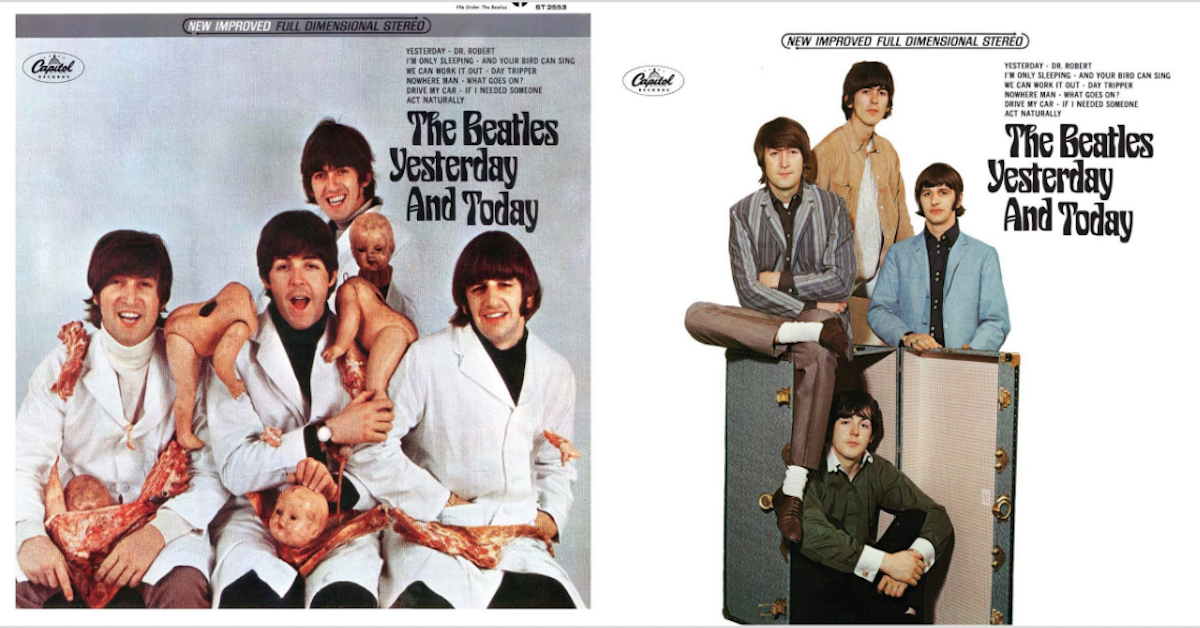
If you were a Beatles fan in North America during the 1960s, you might not have realized that some of the albums you were buying were unique to the U.S. and Canadian markets. Capitol Records, the band's North American label, created albums like Meet the Beatles and Beatles '65 specifically for these regions. These albums were different from the ones released in the U.K., causing confusion among fans. Despite the discrepancies, American fans embraced these albums as their own, enjoying the music without questioning the differences.
The American albums often had fewer tracks than their U.K. counterparts, leading to different configurations and song selections. Capitol Records would release albums with 11 or 12 songs, while the U.K. versions typically had 14 tracks. This resulted in variations in the albums' content, with some songs appearing on one version but not the other. The differences in track listings added to the complexity of the Beatles' discography, creating distinct experiences for fans on both sides of the Atlantic.
One such album that exemplified this divergence was "Yesterday and Today," released in 1966. The album featured a mix of tracks from various U.K. releases, including "Help!" and "Rubber Soul," along with songs intended for the upcoming "Revolver" album. Despite being a compilation of sorts, "Yesterday and Today" showcased the Beatles' musical prowess and creativity. The album's standout track, "Yesterday," became an instant classic and remains one of the most covered songs in music history.
The controversy surrounding "Yesterday and Today" was not about the music but rather the album's cover art. The original cover, known as the "Butcher Cover," featured the band surrounded by dismembered doll parts and raw meat, symbolizing their disillusionment with the music industry and opposition to the Vietnam War. The graphic nature of the cover sparked outrage among fans and retailers, leading to a recall of the initial copies. Capitol Records replaced the controversial cover with a more conventional image, known as the "Trunk Cover," to appease the public.
Despite the tumultuous release, "Yesterday and Today" remains a significant part of the Beatles' discography. The album captures a transitional period in the band's career, showcasing their evolving sound and experimentation. While not as acclaimed as some of their other albums, "Yesterday and Today" holds a special place in Beatles history, reflecting the band's artistic growth and enduring impact on music.