Strait of Hormuz Agreement: Resolving Conflict Between Iran and the United States
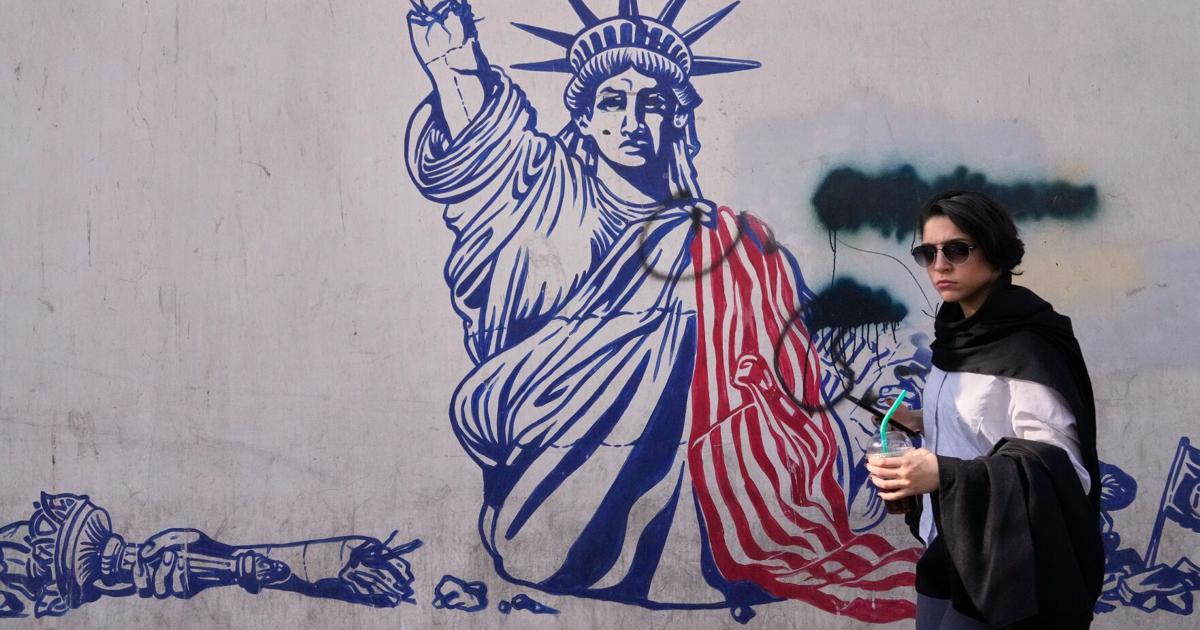
A recent agreement between Iran and the United States, facilitated by Pakistan, aims to end their ongoing conflict. The agreement involves the reopening of the Strait of Hormuz and the lifting of the U.S. blockade on Iran's ports. Following this, a 60-day negotiation period will focus on Iran's nuclear program and the potential removal of sanctions. The deal is expected to be signed soon, leading to the restoration of the prewar status quo.
The closure of the Strait of Hormuz by Iran significantly impacted global oil supplies and led to increased fuel prices and inflation. The U.S. blockade further strained Iran's economy by cutting off its oil exports. The upcoming negotiations will determine the fate of Iran's nuclear program and the lifting of international sanctions, crucial for Iran's economic recovery.
The U.S. and Israel initiated the war with concerns about Iran's nuclear ambitions. The agreement may address the removal of Iran's highly enriched uranium and the gradual easing of sanctions. Iran seeks the unfreezing of assets and the lifting of sanctions to revive its economy. The war inflicted damage on Iran's military capabilities and economy, but Iran's ties with regional allies remain strong.
The potential obstacle to the agreement lies in Lebanon, where Hezbollah demands a ceasefire. Israeli Defense Minister Israel Katz expressed reluctance to withdraw from southern Lebanon. The ceasefire talks have strained relations between Trump and Netanyahu, with the latter facing criticism in Israel. The ceasefire agreement could impact Netanyahu's reelection prospects.
In conclusion, the agreement between Iran and the U.S. holds promise for ending the conflict and restoring stability in the region. The negotiations will determine the future of Iran's nuclear program and economic sanctions, with potential implications for regional dynamics. The ceasefire agreement faces challenges in Lebanon and domestic opposition in Israel, highlighting the complex nature of the ongoing conflict.