UK Government Plans to Ban Under-16s from Social Media Platforms: Addressing Challenges and Controversies
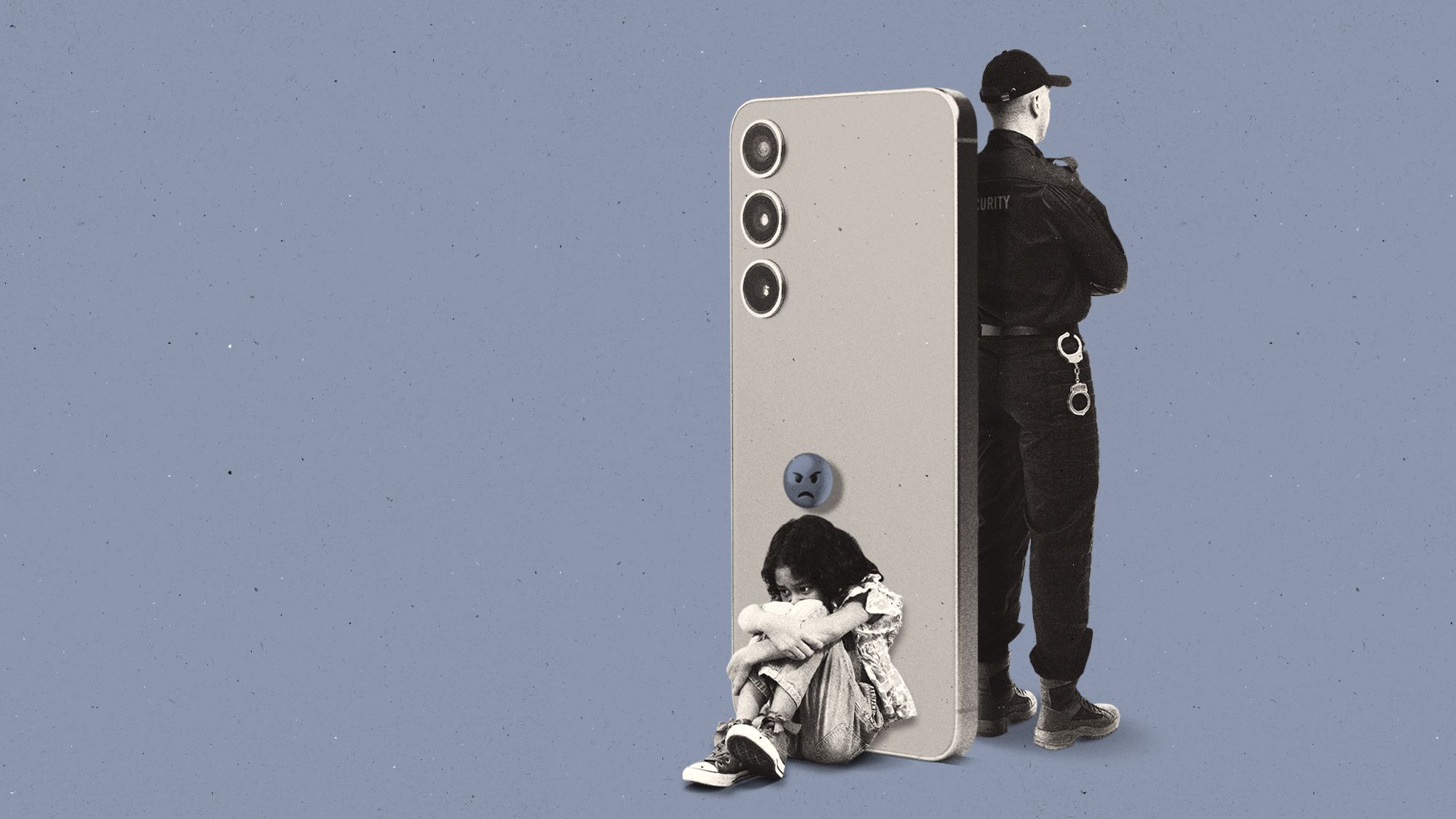
The UK government has announced plans to ban under-16s from using social media platforms, including Snapchat, TikTok, YouTube, Instagram, Facebook, and X (formerly Twitter). The decision, supported by 77% of parents, aims to address the challenges faced by young users online. The ban will also extend to live-streaming, stranger communication, gaming sites, and AI chatbots designed for romantic interactions. The government plans to enforce age restrictions using facial age estimation technology and hopes to implement the ban by spring 2027.
Critics have raised concerns about the potential impact of the ban on surveillance, privacy, and the well-being of young people. Privacy and technology experts fear that the restrictions could lead to increased surveillance and data breaches. They also worry that the ban may isolate young users from the positive aspects of social media, such as connecting with LGBTQIA+ communities. Social media companies argue that the ban could drive children to unregulated online spaces, posing additional risks.
Despite the challenges and uncertainties surrounding the effectiveness of social media bans, the UK government is determined to push forward with its plans. The decision to restrict under-16s from accessing popular social media platforms marks a significant shift in online regulations and underscores the government's commitment to protecting young users. While the outcomes of similar bans in other countries have been mixed, the UK government sees this as a crucial step in setting boundaries for tech companies and safeguarding children online.