Blodwyn Pig: The Legacy of Mick Abrahams and the Band's Impact on Rock Music
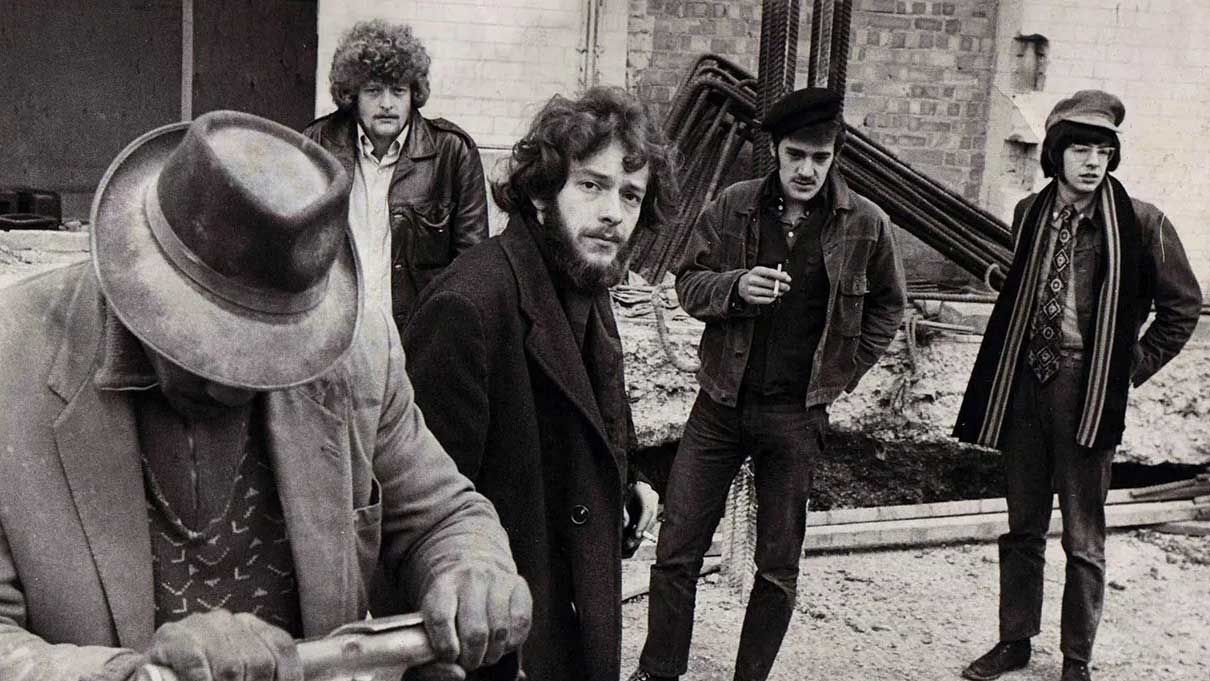
Mick Abrahams, the former guitarist of Jethro Tull and founder of Blodwyn Pig, faced significant health challenges towards the end of his life. Despite his health issues, he maintained a positive outlook, acknowledging that things could have been worse. His health struggles impacted his ability to play the guitar, leading him to doubt if he would ever perform live again.
Abrahams rose to fame in 1967 as a co-founder of Jethro Tull but eventually left the band due to disagreements with Ian Anderson. He then formed Blodwyn Pig, releasing their debut album "Ahead Rings Out" in 1969, which achieved success in the UK charts. The band's eclectic style led to them being categorized as blues, progressive, and even avant-garde, showcasing their versatility.
Blodwyn Pig performed at major music festivals alongside renowned bands like Led Zeppelin, Black Sabbath, and Fleetwood Mac, proving their ability to hold their own in diverse company. However, tensions within the band, particularly between Abrahams and bassist Andy Pyle, began to surface, affecting the band's cohesion and creative direction.
The release of Blodwyn Pig's second album, "Getting To This," marked a shift in the band's dynamics, with Abrahams feeling that his input had been diminished. Internal conflicts and disagreements over songwriting credits further strained the band's unity. Despite these challenges, the band continued to produce music that resonated with audiences and left a lasting impact on the music scene.
In a surprising turn of events, Abrahams left Blodwyn Pig in 1970 as the band was preparing for an American tour. His bandmates proceeded to tour without him, leading to the eventual dissolution of the group. Despite the setbacks and unresolved potential, Abrahams believes that Blodwyn Pig had a unique magic and creative connection that set them apart.
The legacy of Blodwyn Pig extends beyond their music, with their influence reaching bands like Aerosmith and even making appearances in films like "Almost Famous." The band's name, inspired by a whimsical moment, remains a subject of curiosity, with Abrahams jokingly suggesting that Blodwyn Pig could be considered a pioneer for the LGBT movement.
Ultimately, Abrahams hopes that Blodwyn Pig is remembered for their genuine and inclusive approach to making music, free from prejudice. Despite the challenges and conflicts faced by the band, their contribution to the music industry and their unique sound continue to resonate with audiences, leaving a lasting legacy in the world of rock music.