Breaking the Sovereign Ceiling: Overcoming Financial Barriers for Renewable Energy Projects in Africa
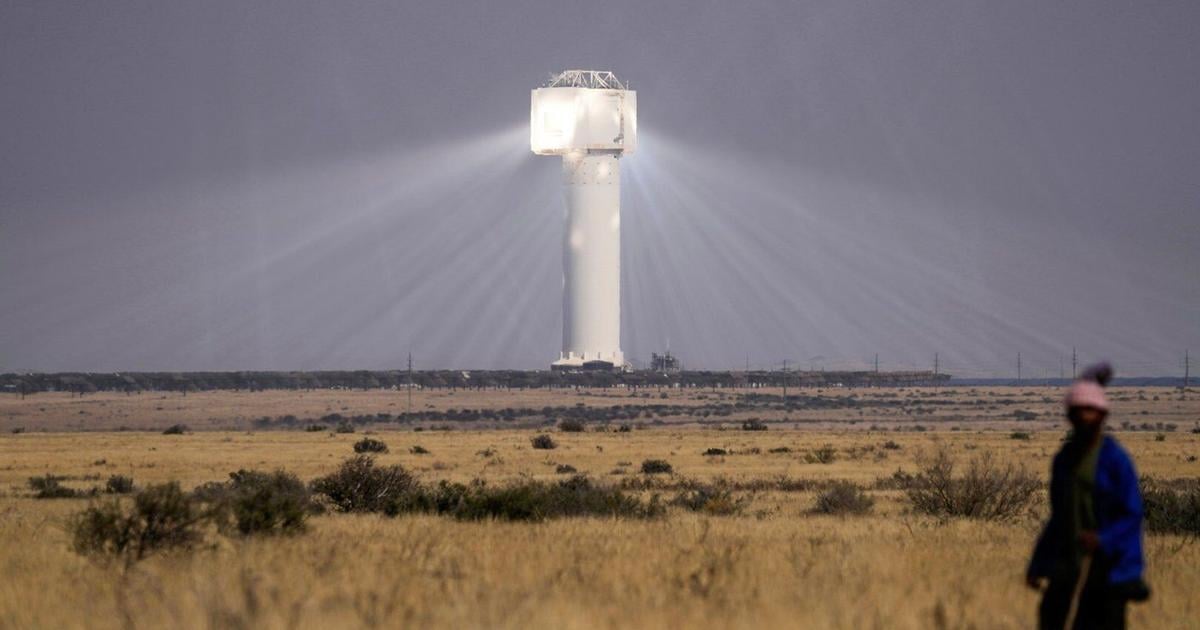
Africa has received significant pledges for its transition to clean energy, but many renewable energy projects are facing challenges in securing financing due to the "sovereign ceiling." This financial rule links the creditworthiness of projects to the sovereign rating of the country they are located in, leading to higher financing costs and deterring international investors. Analysts and development finance experts argue that this rule is making viable renewable energy projects seem riskier than they truly are.
The "sovereign ceiling" is a major obstacle for renewable energy projects in Africa, as it hampers their ability to attract investment and move forward. The rule essentially limits the creditworthiness of projects based on the rating of the country they are situated in, creating unnecessary barriers for projects that could otherwise be financially viable. This has led to a situation where many promising renewable energy initiatives are struggling to secure the necessary funding to get off the ground.
The impact of the "sovereign ceiling" is particularly pronounced in Africa, where the need for clean energy solutions is urgent. The continent has abundant renewable energy resources that could be harnessed to drive sustainable development and address energy access challenges. However, the financial constraints imposed by the rule are hindering the progress of renewable energy projects that could significantly benefit local communities and contribute to a greener future.
Efforts are being made to address the challenges posed by the "sovereign ceiling" and unlock the potential of renewable energy in Africa. By advocating for reforms in financial regulations and promoting innovative financing mechanisms, stakeholders are working to create a more conducive environment for investment in clean energy projects. Overcoming these barriers is crucial to accelerating the transition to sustainable energy sources and achieving the continent's renewable energy goals.
In conclusion, while Africa has received substantial commitments for its clean energy transition, the "sovereign ceiling" remains a significant obstacle for renewable energy projects on the continent. By addressing the financial challenges posed by this rule and implementing reforms to attract investment, Africa can unlock the full potential of its renewable energy resources and drive sustainable development.