Uncovering Ancient Solstice Alignments: The Prehistoric Origins of Stonehenge
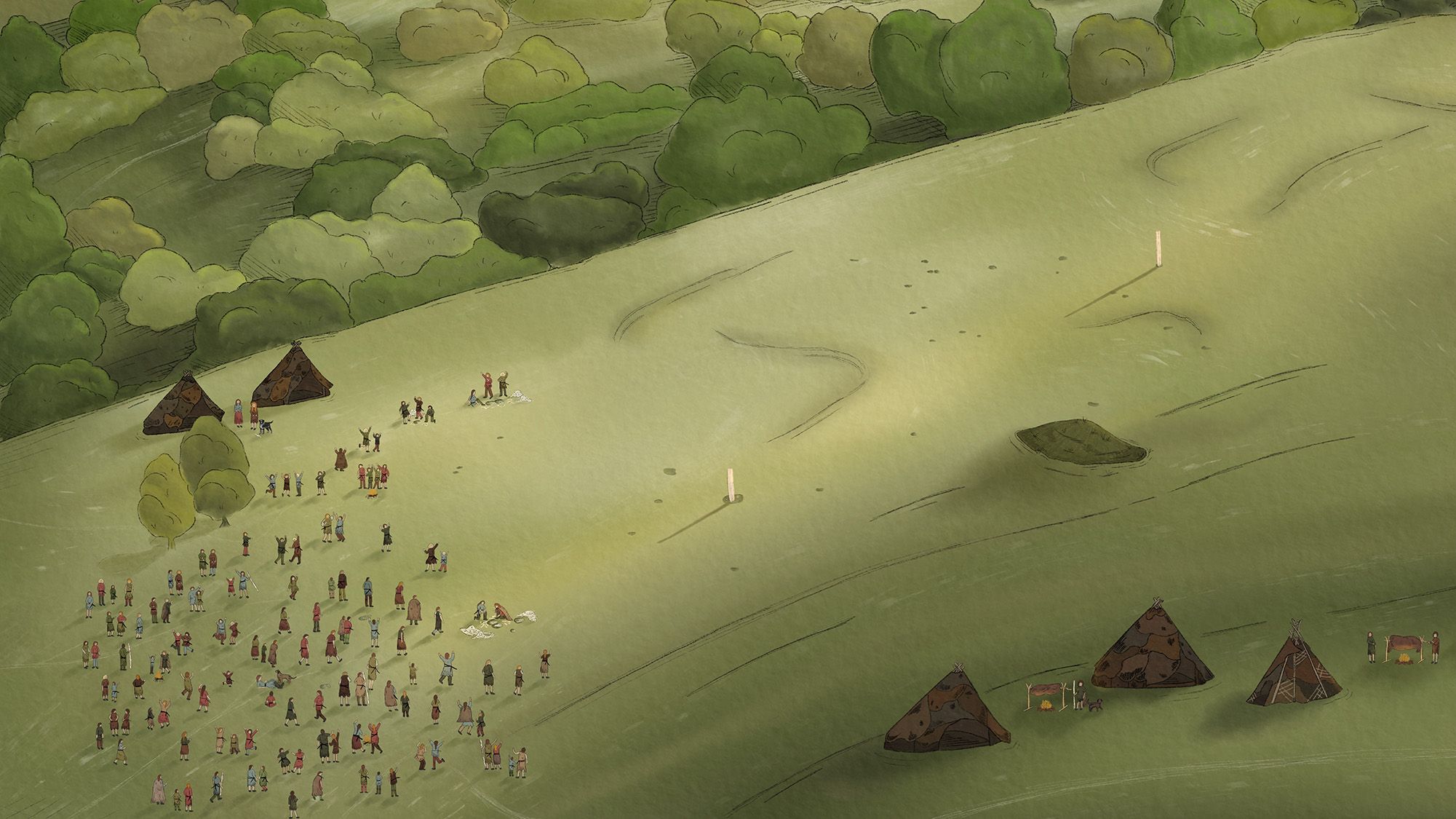
Ancient wooden posts aligned with the summer and winter solstices have been discovered near Stonehenge in southwest England. The posts, which have since decayed, were believed to have been part of a temporary religious monument that predated Stonehenge. Archaeologists suggest that the posts were used to mark the solstices, showcasing the ancient people's ability to track the sun's movements. The discovery was made by a team from Wessex Archaeology, who found the posts on land near the village of Bulford, east of Stonehenge.
The ancient monument consisted of two large wooden posts placed about 400 feet apart. The posts were aligned to mark the direction of sunrise on the summer solstice and the setting of the sun on the winter solstice. The site also contained evidence of feasting and religious gatherings, indicating that it was a significant location for ancient rituals. The findings at Bulford are believed to be around 500 years older than the famous stones at Stonehenge, suggesting that it may have served as a prototype for the iconic monument.
Stonehenge, a renowned Neolithic monument, has long puzzled archaeologists about its original purpose. Recent discoveries, including evidence of cremations, have led some to believe that Stonehenge was initially a burial site. The alignment of the stones with the winter solstice may have symbolized new life and the return of warmer days. The discovery at Bulford highlights the importance of the region to prehistoric people and provides insight into the early stages of Stonehenge's development.
The findings at Bulford offer a glimpse into the ancient rituals and practices of prehistoric communities in the area. The alignment of the wooden posts with the solstices suggests a deep understanding of celestial movements and the passage of time. The site may have served as a testing ground for the construction of Stonehenge, showcasing the intricate engineering skills required for such a monumental project. The discovery adds to the rich history of the region and sheds light on the origins of one of the world's most famous archaeological sites.