From Princess Anne to Powerhouse: The Legacy of Maryland Eastern Shore Football
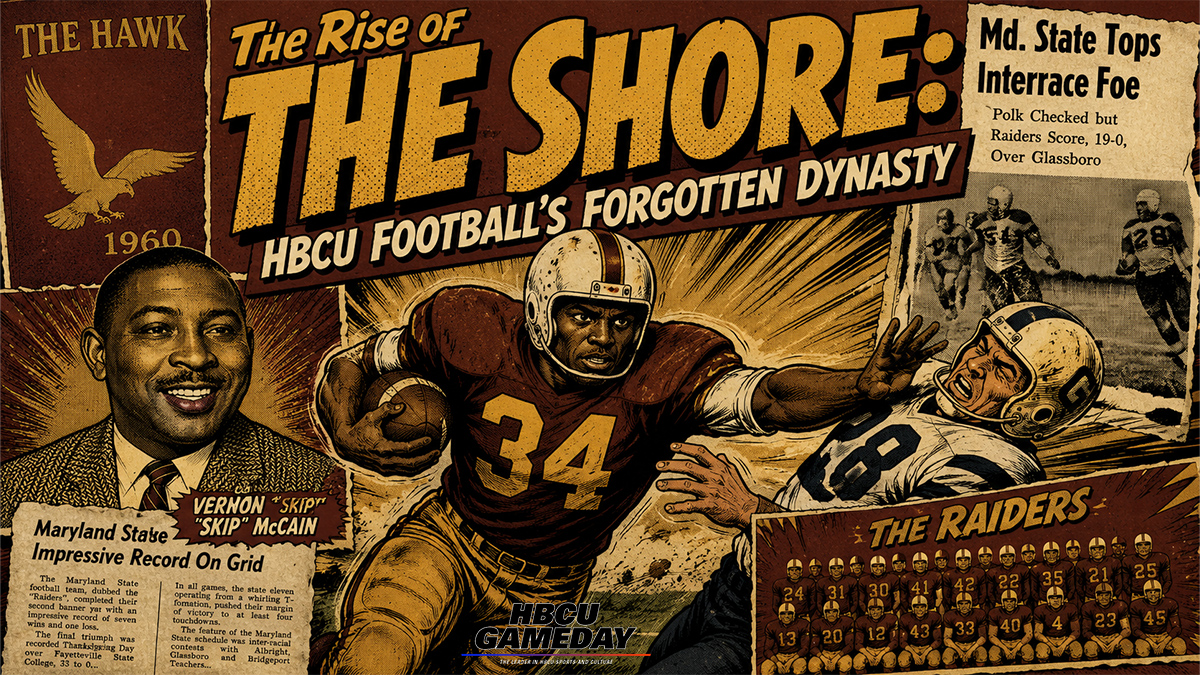
HBCU football at Maryland Eastern Shore has a rich history that dates back to the early 1920s when the school was known as Princess Anne. The football team, called the Trojans, faced challenges in its early years as the institution was still developing academically and athletically.
In the 1940s, World War II interrupted football at Princess Anne, but upon its return, the school underwent a transformation under the leadership of President John Taylor Williams. The undefeated season in 1947 signaled a shift, and the school was renamed Maryland State College in 1948, with the hiring of Vernon "Skip" McCain as the football coach.
McCain played a pivotal role in shaping Maryland State's football identity, leading the team to success as an independent program. They competed against top HBCU teams and even white colleges, showcasing their ambition and talent. The program's confidence and success caught the attention of the CIAA, leading to its admission in 1954.
Maryland State's entry into the CIAA formalized its status as a football powerhouse, winning three conference titles in its early years. Under McCain's leadership, the program flourished, producing numerous pro football players and earning a reputation for excellence.
The legacy of Maryland Eastern Shore football is rooted in its journey from humble beginnings to becoming a dominant force in Black college football. The program's resilience, ambition, and success have left a lasting impact on the sport and the community.