Revitalizing Cuba's Economy: President Díaz-Canel Calls for Urgent Reforms
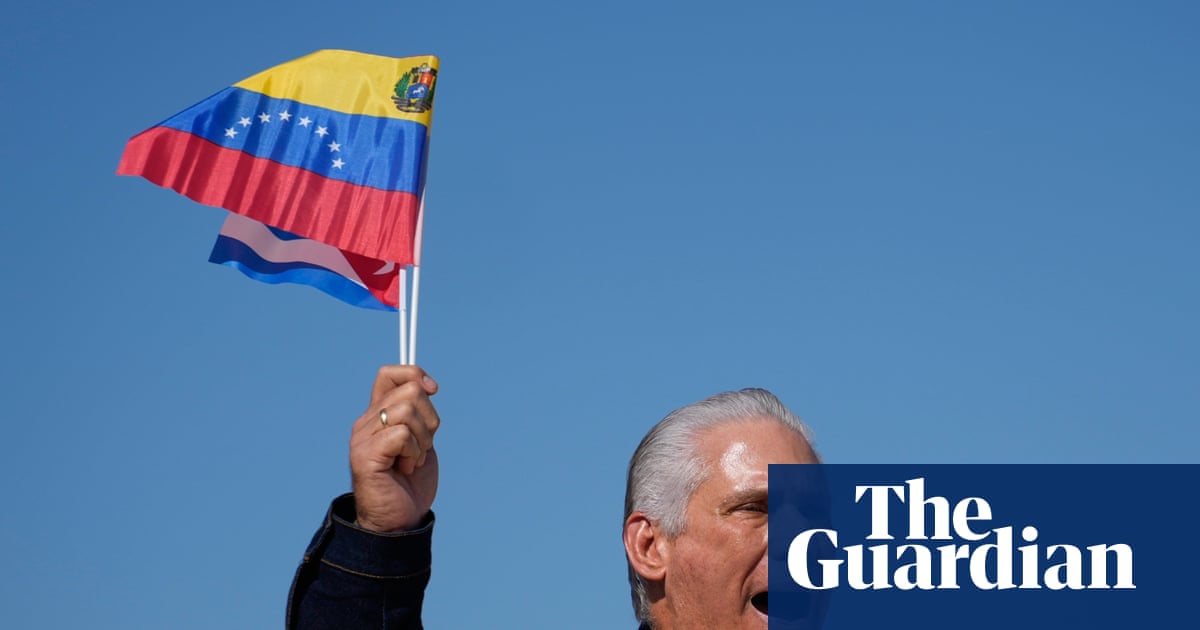
Cuba's president, Miguel Díaz-Canel, addressed the Communist party leaders, emphasizing the urgent need for significant changes in the country's economy. He highlighted the necessity of overhauling the communist model to address the ongoing crisis exacerbated by the US oil blockade. Díaz-Canel mentioned China and Vietnam as potential models for opening up Cuba's economy to global markets to generate economic prosperity and ensure equitable distribution of wealth.
During a meeting focused on accelerating reforms to support the expanding private sector in response to economic challenges, Díaz-Canel stressed the importance of implementing necessary changes promptly, even if they do not have unanimous support. He acknowledged the hardships faced by the Cuban population and emphasized the government's responsibility to address the crisis by making essential changes rather than offering explanations.
The US-imposed oil blockade earlier in the year has severely impacted Cuba's already struggling economy, leading to prolonged power outages, shortages of essential supplies like food, fuel, water, and medicine. While Cuba has historically attributed its economic difficulties to the long-standing US trade embargo, Díaz-Canel recognized internal obstacles such as bureaucratic inefficiencies, regulatory hurdles hindering production, and delayed decision-making processes.
In a bid to avert economic collapse, the proposed reforms have garnered support from influential figures like former president Raul Castro, who endorsed them as beneficial for the revolution's current needs. However, the ultimate approval of these reforms by the US, particularly President Trump, remains uncertain as he advocates for a shift in Cuba's economic structure. Despite the uncertainties, local entrepreneurs in Cuba express hope for any changes that could revitalize the struggling economy.
In conclusion, Cuba's economy is at a critical juncture, prompting the government to consider significant reforms to address the deepening crisis exacerbated by external pressures like the US oil blockade. The acknowledgment of internal challenges and the call for urgent changes reflect a growing recognition of the need for economic transformation to ensure sustainable growth and prosperity for the Cuban population.