Unveiling Deceptive Practices: Investigating the Egg Freezing Industry in Canada
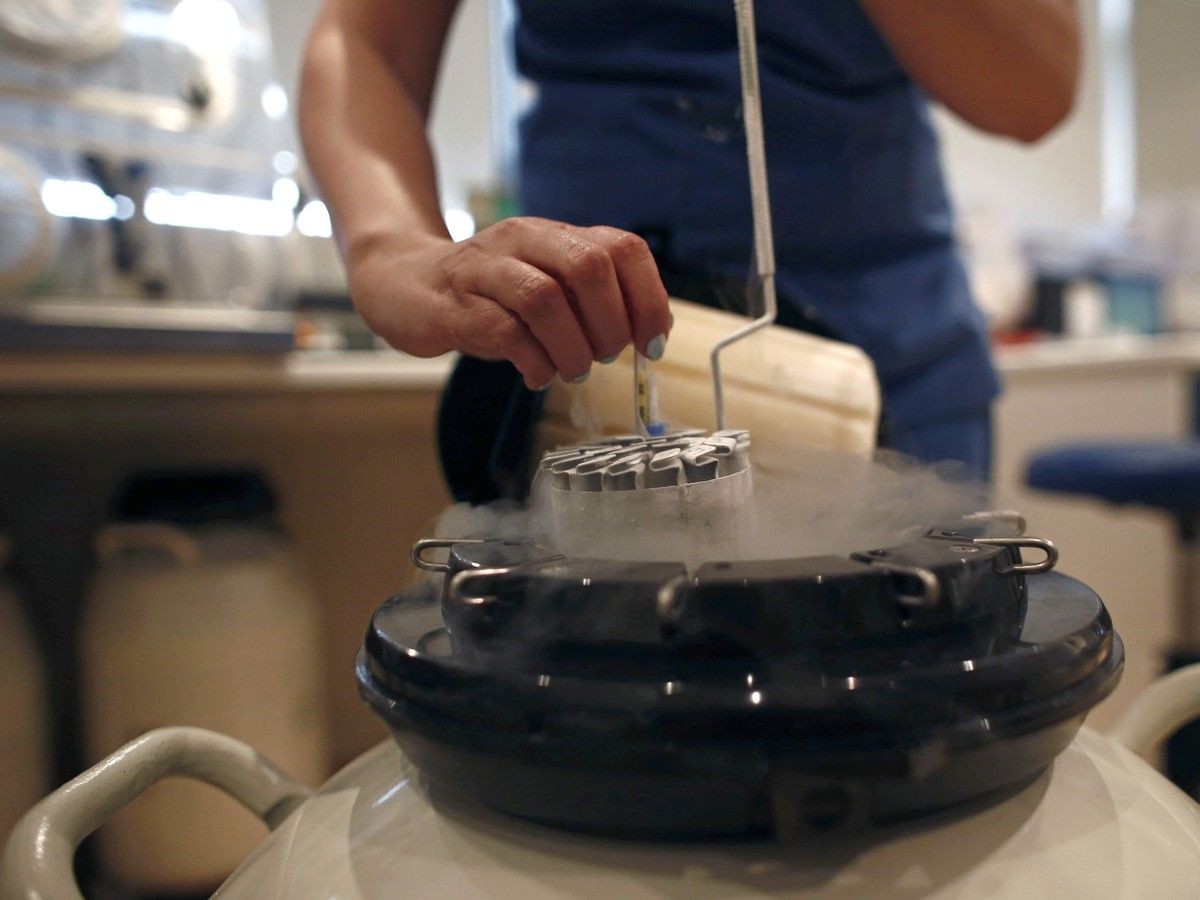
In Canada, many women invest significant amounts of money in freezing their eggs each year to have the option of delaying motherhood. However, an investigation by the Investigative Journalism Bureau and Postmedia has revealed deceptive marketing tactics and emotional manipulation within the egg freezing industry. Wendy-Ann Clarke and Lori Culbert delve into the reasons behind this investigation, the misleading messages targeted at women by clinics, and the financial implications of this booming business.
The investigation sheds light on the questionable practices prevalent in the egg freezing industry, raising concerns about the ethical standards and transparency of the services offered to women. With the promise of flexibility and control over their reproductive choices, many women are enticed by the marketing strategies employed by clinics, which may not always align with the reality of the procedure.
As the demand for egg freezing services continues to rise, it is essential for women to be well-informed and cautious when considering this option. The financial investment involved in egg freezing can be substantial, and it is crucial for individuals to weigh the costs and benefits carefully before making a decision. By understanding the potential risks and limitations of the procedure, women can make informed choices that align with their personal goals and values.
In conclusion, the investigation into the egg freezing industry in Canada highlights the need for greater transparency and accountability in the marketing and delivery of these services. Women deserve access to accurate information and support to make empowered decisions about their reproductive health. As the industry continues to evolve, it is essential for regulators and healthcare providers to prioritize the well-being and autonomy of individuals seeking fertility preservation options.