Balancing Conservation and Livelihoods: The Debate Over Cattle Ranching on Bananal Island
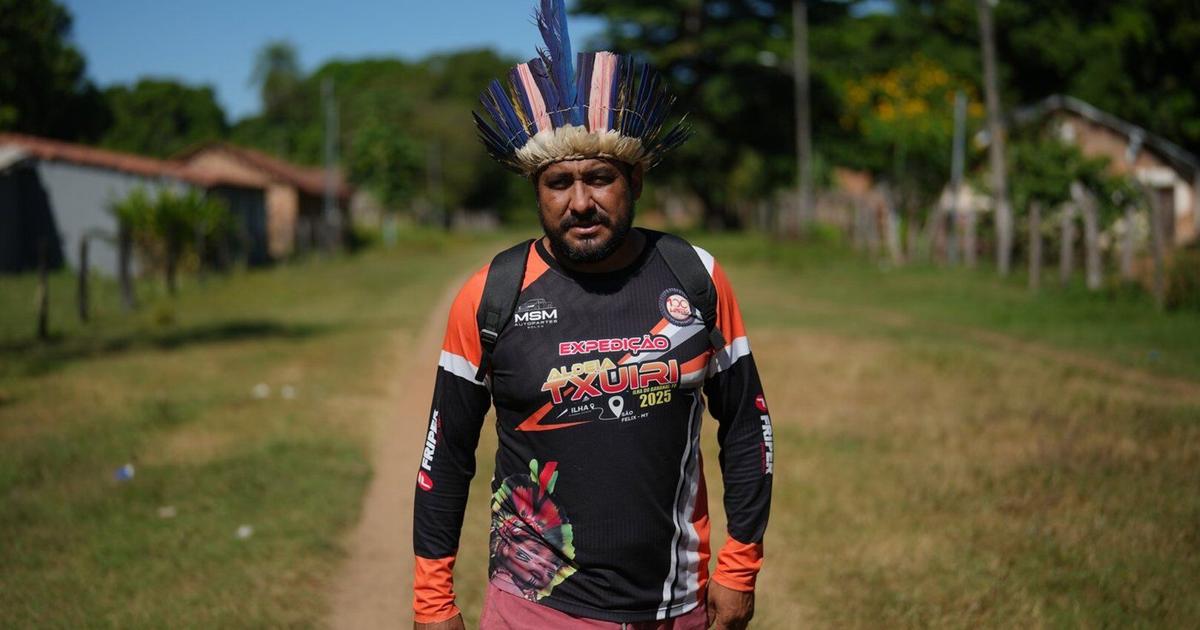
In the northern region of Brazil, a unique discussion is unfolding on a vast island regarding the coexistence of cattle ranching and conservation efforts. The debate centers around the removal of herds from protected Indigenous territory on Bananal Island, the largest river island globally, as mandated by federal authorities. The authorities emphasized that the land is designated for Indigenous communities and conservation purposes, and the presence of herds maintained by external ranchers is deemed illegal and detrimental to the habitat.
The decision to remove the cattle from the protected Indigenous territory on Bananal Island has sparked a contentious dialogue among various stakeholders, including Indigenous communities, ranchers, and conservationists. While some argue that the herds pose a threat to the environment and Indigenous rights, others contend that cattle ranching is a vital economic activity that sustains livelihoods in the region. The conflicting perspectives highlight the complex interplay between conservation efforts and traditional land use practices.
Indigenous chief Cleiton Javae, a prominent figure in the debate, has been vocal about the importance of preserving the land for future generations and safeguarding Indigenous cultural heritage. Javae's advocacy for conservation aligns with the broader goal of protecting the biodiversity and ecological integrity of Bananal Island, a critical habitat for numerous species. The Indigenous communities on the island have a deep connection to the land and rely on its resources for sustenance and spiritual practices.
As the discussions continue, finding a balance between conservation objectives and sustainable land management practices remains a key challenge. The need to respect Indigenous rights, promote biodiversity conservation, and support local livelihoods underscores the complexity of the issue at hand. Collaborative efforts involving all stakeholders are essential to develop holistic solutions that address the diverse interests and concerns surrounding cattle ranching and conservation on Bananal Island.
In conclusion, the ongoing debate on Bananal Island reflects the intricate relationship between cattle ranching, conservation, and Indigenous rights in the region. The diverse perspectives and interests involved highlight the need for inclusive dialogue and collaborative decision-making processes to ensure the long-term sustainability of the island's ecosystem and the well-being of its inhabitants. Balancing economic activities with environmental protection and cultural preservation is a multifaceted challenge that requires a holistic approach and mutual respect for the land and its diverse stakeholders.