One Of These Nights: The Eagles' Dark and Groovy Masterpiece
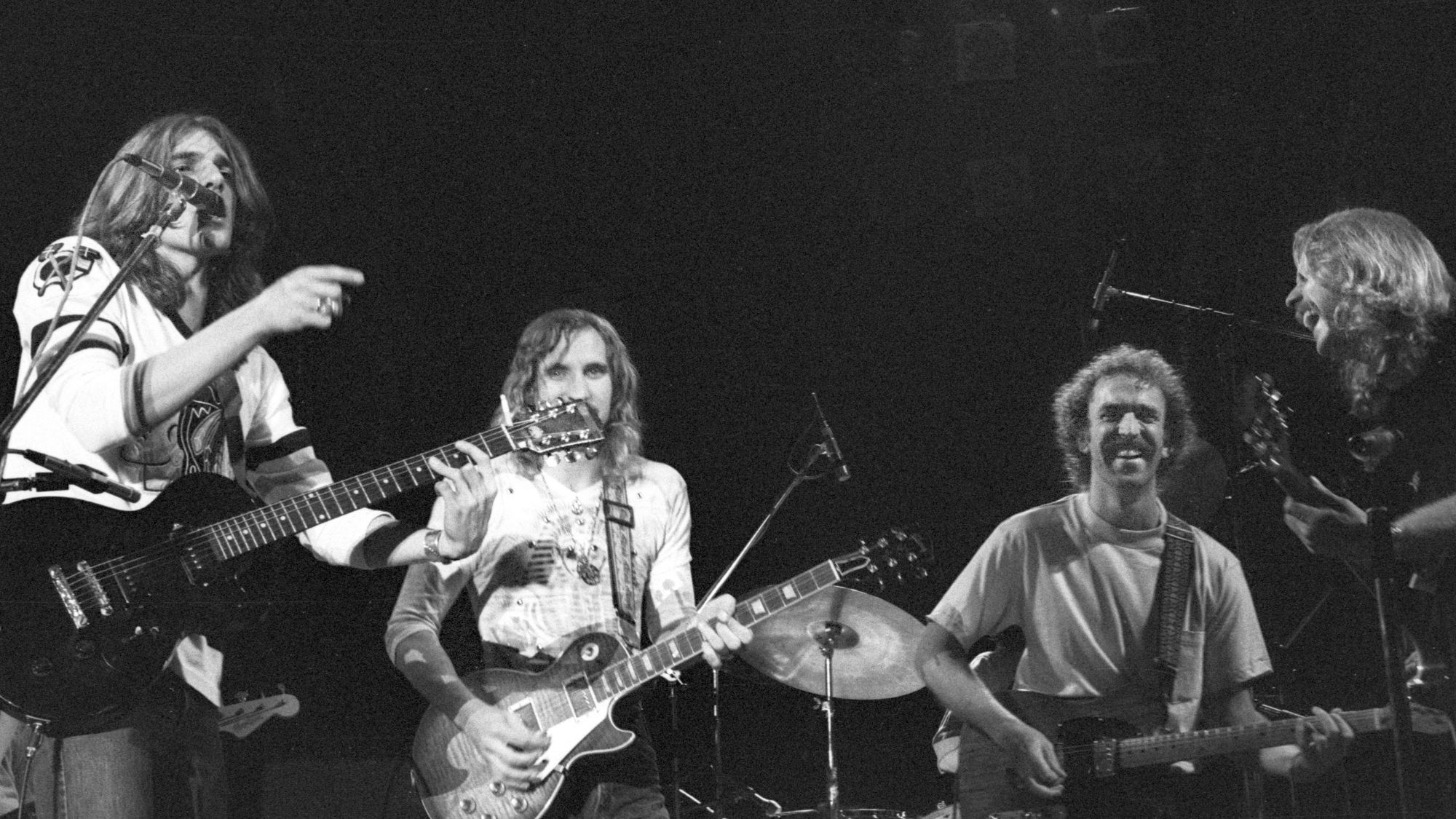
In 1975, the Eagles surprised fans by blending satanic and country rock elements in their soulful album, "One Of These Nights." Despite their reputation for hits like "Peaceful Easy Feeling," the band aimed to infuse their sound with more soul and groove. Don Henley revealed that the band drew inspiration from darker times politically and musically in America during the mid-1970s.
The Eagles successfully captured a moody vibe on "One Of These Nights," featuring hits like the title track, "Lyin' Eyes," and "Take It To The Limit." This fourth studio album became a defining moment in the band's career, showcasing their ability to blend dangerous guitars with disco-inspired beats. Despite the band's history of interpersonal drama, the making of this album was notably smooth and enjoyable.
Glenn Frey reflected on the album's creation, describing it as the most fluid and painless process the band had experienced. He highlighted the improvement in songwriting and the love for the studio that contributed to the success of "One Of These Nights." The title track, in particular, was a breakthrough song that resonated with both the band and their audience.
Following its release, "One Of These Nights" quickly rose to the top of the charts, peaking at No. 1 on the Billboard 200 within four weeks. The album's dark, brooding, and groovy sound captivated listeners, solidifying the Eagles' reputation as a groundbreaking band. Despite their extensive discography, many fans and critics consider "One Of These Nights" to be the band's standout record.
In conclusion, the Eagles' album "One Of These Nights" remains a timeless classic that showcases the band's ability to blend diverse musical influences into a cohesive and captivating sound. With its unique blend of satanic country rock and soulful grooves, this album continues to resonate with audiences and stands as a testament to the band's musical legacy.