The Death of Robin Hood: A Tale of Redemption and Sacrifice
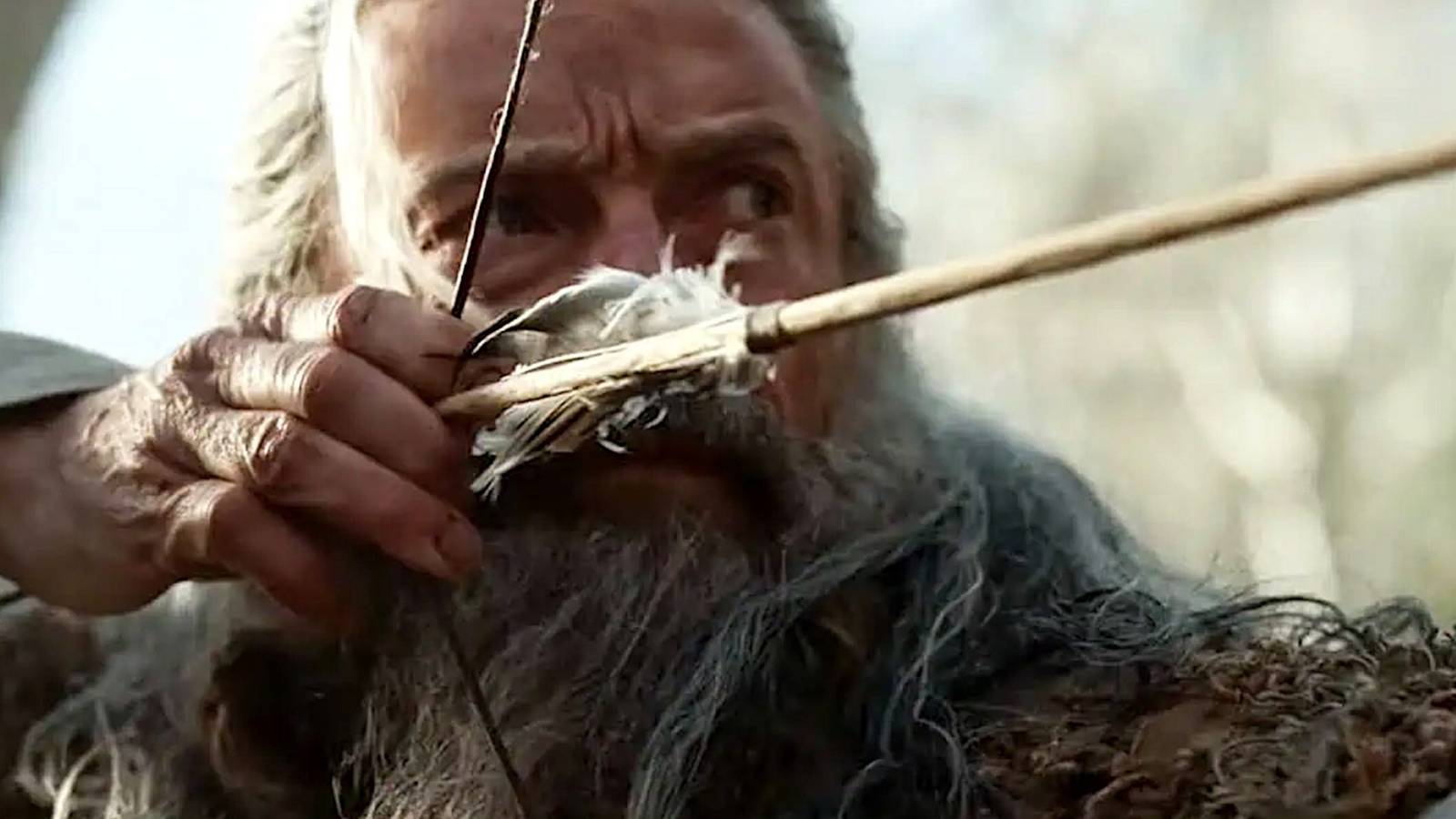
In the movie "The Death of Robin Hood," Hugh Jackman and Michael Sarnoski discuss the film's ending, focusing on the character's journey and the emotional denouement. Jackman plays Robin Hood, a guilt-ridden outlaw seeking redemption after a life of violence. The story unfolds as Robin forms a bond with Little John's daughter, Margaret, and faces his past while preparing for his final mission.
The film explores Robin's inner turmoil and his desire to make amends for his past actions. As the story progresses, Robin finds solace at a priory but is haunted by his past misdeeds. In a poignant final scene, Robin sacrifices himself to protect Margaret, weaving a tale of heroism and redemption for the young girl.
Jackman's portrayal of Robin's selfless act resonates with the film's themes of sacrifice and redemption. The emotional depth of the scene reflects Robin's journey towards acceptance and closure. The film's director, Sarnoski, emphasizes the importance of the quiet, contemplative moments in the story, which culminate in a powerful and emotional conclusion.
The Death of Robin Hood delves into the complexities of the legendary character, portraying him as a flawed hero seeking redemption. The film's exploration of themes such as self-destruction and hope resonates with audiences, offering a nuanced and thought-provoking take on the classic tale. With a stellar cast and a compelling narrative, the film delivers a poignant and impactful cinematic experience.
Overall, The Death of Robin Hood is a moving and introspective film that challenges traditional notions of heroism and redemption. Through its exploration of complex characters and moral dilemmas, the film offers a fresh perspective on the timeless legend of Robin Hood. Audiences are invited to witness Robin's journey towards self-discovery and redemption, making it a must-see film for fans of character-driven storytelling.