Unveiling the Epstein Files: Transparency, Redactions, and Missing Documents
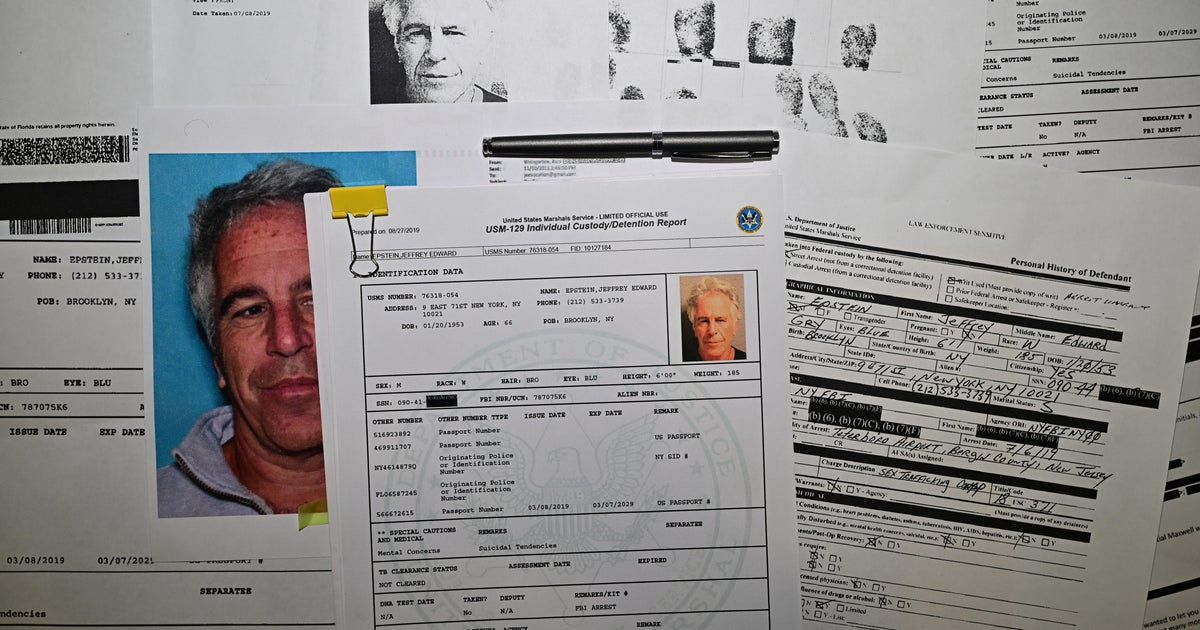
The Department of Justice recently disclosed over 3 million pages of documents under the Epstein Files Transparency Act, sparking concerns about the missing half of the collected material. Despite the DOJ's explanation that the unreleased documents were either duplicative, unrelated to Epstein, or legally privileged, doubts persist about the withheld evidence. The Government Accountability Office has initiated an investigation into redacted information in the released documents, following requests from members of Congress. Rep. Robert Garcia emphasized the need for transparency and expressed uncertainty about the contents of the unreleased 3 million pages.
A comprehensive analysis of the disclosed archive revealed significant gaps in the public record concerning Epstein's activities, communications, federal investigations, and the circumstances surrounding his death. The Epstein Files Transparency Act aims to safeguard victims and restricts redactions based on reputational harm or political sensitivity. However, redactions of prominent individuals' names while leaving victims' names visible have raised questions about the justification for such redactions. Instances where names of Epstein's business contacts and acquaintances were redacted without apparent cause have also been noted.
The Act mandates the DOJ to provide justifications for redactions, allowing redactions only if they would invade personal privacy. Despite this, the DOJ's redactions have faced scrutiny for lack of specific justifications. Members of Congress have been granted access to review redacted material, but the process has been criticized for being time-consuming and monitored by the DOJ. Following inquiries from CBS News, some redactions were quietly removed, revealing the identities of individuals like former U.K. diplomat Peter Mandelson, who had been in contact with Epstein.
The release of Epstein's emails, primarily from his [email protected] account, has shed light on his communications. However, emails from his earlier accounts, including [email protected], remain missing from the disclosed archive. Notably, the absence of emails from Epstein's [email protected] account, which could potentially contain communications with individuals like Donald Trump, has raised questions about the completeness of the released documents. The redaction of names in internal DOJ and FBI correspondence has complicated efforts to identify key investigative actions and attachments referenced in the emails.
The Epstein Files Transparency Act's limitations, which apply only to the DOJ, underscore the possibility of other agencies withholding relevant documents. The absence of records related to investigations into Epstein's alleged involvement in money laundering and Ponzi schemes, despite being conducted by the DOJ, highlights the need for broader transparency across government agencies. The challenges in locating specific documents within the released archive, including missing entries and redacted information, point to the complexities of accessing comprehensive information about Epstein's activities and associates.
In conclusion, the release of documents under the Epstein Files Transparency Act has raised critical questions about the transparency and completeness of the disclosed archive. The ongoing scrutiny of redactions, missing documents, and limitations of the Act underscore the importance of ensuring full accountability and access to information regarding Epstein's controversial activities and the investigations surrounding him.