Earth, Wind & Fire: The Untold Financial Struggles and Internal Tensions
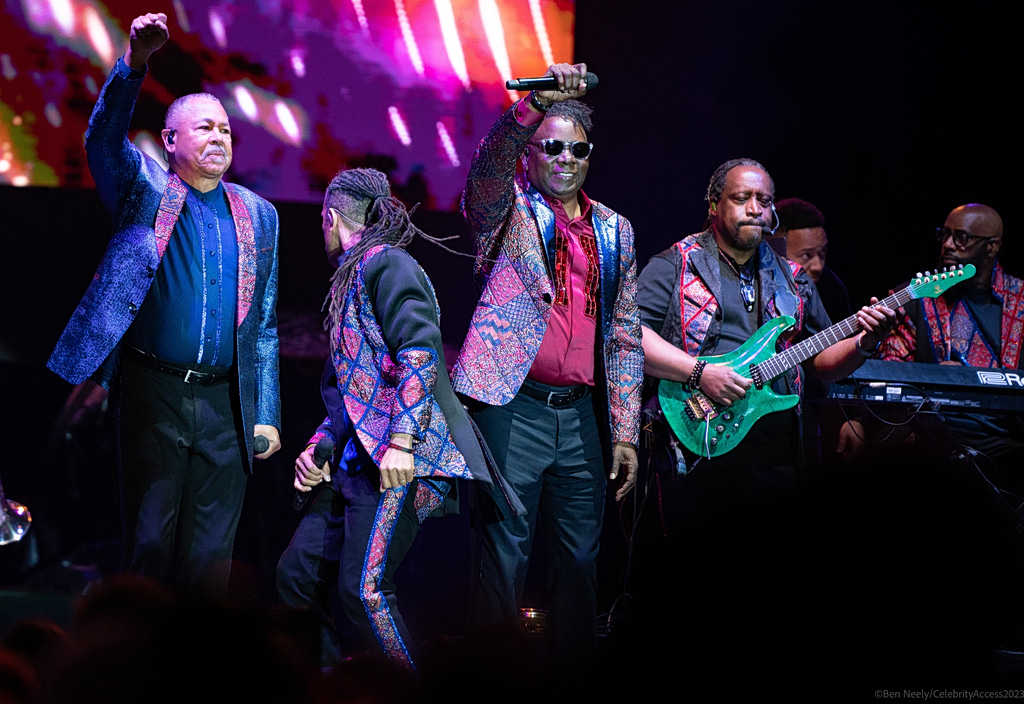
Earth, Wind & Fire, the iconic band known for their uplifting hits like "Shining Star" and "September," faced internal tensions over financial arrangements during their recording sessions in Montserrat in 1980. Members, including keyboard player Larry Dunn and singer Philip Bailey, were dissatisfied with the unequal distribution of profits within the group. The new HBO documentary "Earth, Wind & Fire (To Be Celestial vs. That’s the Weight of the World)" directed by Ahmir “Questlove” Thompson sheds light on the disputes over money and credit that eventually led to the band's breakup.
Despite selling millions of albums over the years, Earth, Wind & Fire's members felt that they were not fairly compensated for their contributions. The documentary features candid interviews with longtime members like Philip Bailey, Verdine White, and Ralph Johnson, who delve into the financial struggles and disagreements that plagued the band. Maurice White, the band's leader, who passed away in 2016, acknowledged in his autobiography that some members felt he was making more money than he actually was, but he believed he had been fair in his dealings.
The band's success in the 1970s and 1980s brought them fame and fortune, but internal tensions over money and credit began to strain their relationships. Maurice White's approach to running Earth, Wind & Fire as a sole proprietorship, where he received the lion's share of the profits, caused resentment among some band members. As the group's hits continued to climb the charts, the disparity in earnings became more apparent, leading to the eventual breakup of the classic nine lineup.
After the band disbanded in the early 1980s, some members, like Ralph Johnson, had to take on odd jobs to make ends meet. Philip Bailey, known for his distinctive falsetto vocals, faced financial struggles that forced him and his family to leave Los Angeles. Maurice White acknowledged that disagreements and discord were common in bands like Earth, Wind & Fire, but he also recognized that the band members may not have received the credit they deserved for their contributions.
As Earth, Wind & Fire regrouped in the late 1980s, some of the original members chose not to return due to unfavorable offers. Larry Dunn, who declined to participate in the documentary, hinted at the dissatisfaction with the terms of rejoining the band. Despite the challenges and disagreements, Philip Bailey agreed to work with Maurice White again, emphasizing that it would be a collaboration rather than working for him.
In conclusion, the new HBO documentary offers a glimpse into the financial struggles and internal tensions that plagued Earth, Wind & Fire during their heyday. The band's journey from fame to discord sheds light on the complexities of managing a successful musical ensemble and the challenges of balancing creative collaboration with financial fairness.