Exploring Ray Bradbury's Hollywood Ventures: From 'Fahrenheit 451' to Truffaut's Film Adaptation
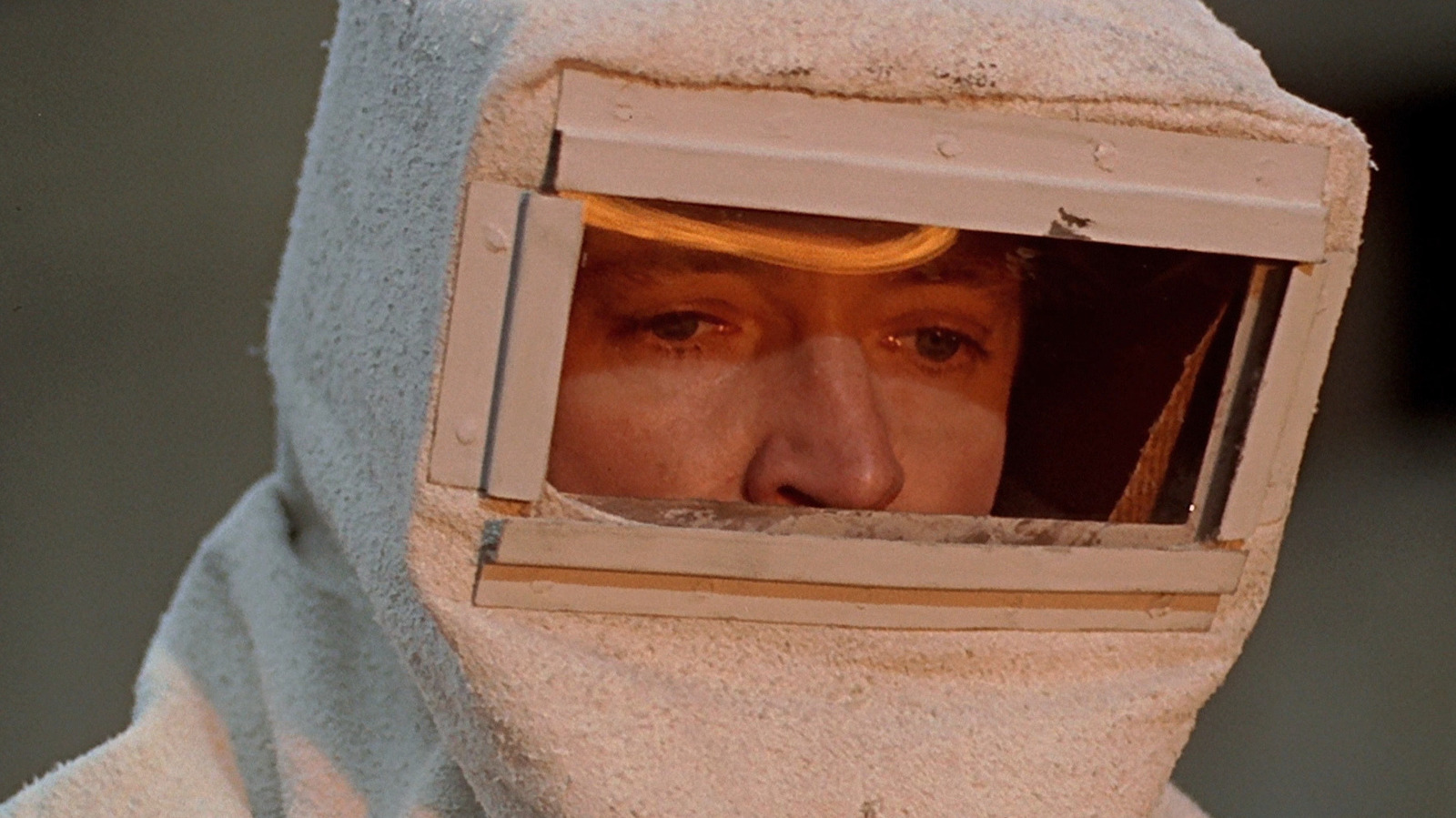
Ray Bradbury, a prominent writer in the early 1950s, ventured into Hollywood to write screenplays. Despite his success with works like "The Martian Chronicles" and "Fahrenheit 451," his attempt to adapt Herman Melville's "Moby-Dick" for John Huston did not go well. However, he found a more positive creative partnership with actor/director Charles Laughton and his wife Elsa Lanchester, who encouraged him to turn "Fahrenheit 451" into a stage play. Although the stage play did not meet expectations, Bradbury remained on good terms with Laughton. When Universal wanted to adapt the novel into a film in 1966 with François Truffaut, Bradbury declined to write it.
Truffaut's film adaptation of "Fahrenheit 451" made significant changes to Bradbury's original novel, omitting some key elements that the author found disappointing. Despite these alterations, Bradbury ultimately approved of the film, while some critics initially disagreed. Over time, the movie has gained recognition as an underrated sci-fi classic, surpassing the reception of the 2018 adaptation starring Michael B. Jordan.
In a Playboy interview, Bradbury praised Truffaut's film adaptation of "Fahrenheit 451" as "very good" but expressed concerns about the exclusion of the "Mechanical Hound," a robotic dog from the novel. The Mechanical Hound, equipped with a needle loaded with drugs, hunts down individuals who possess books, which are forbidden and burned by firemen in Bradbury's dystopian world. Truffaut likely omitted this element due to technical challenges in creating a realistic portrayal of the robotic hound.