Navigating Toll Charges in the Strait of Hormuz: Trump's Cease Fire Period and the Potential for Future Disputes
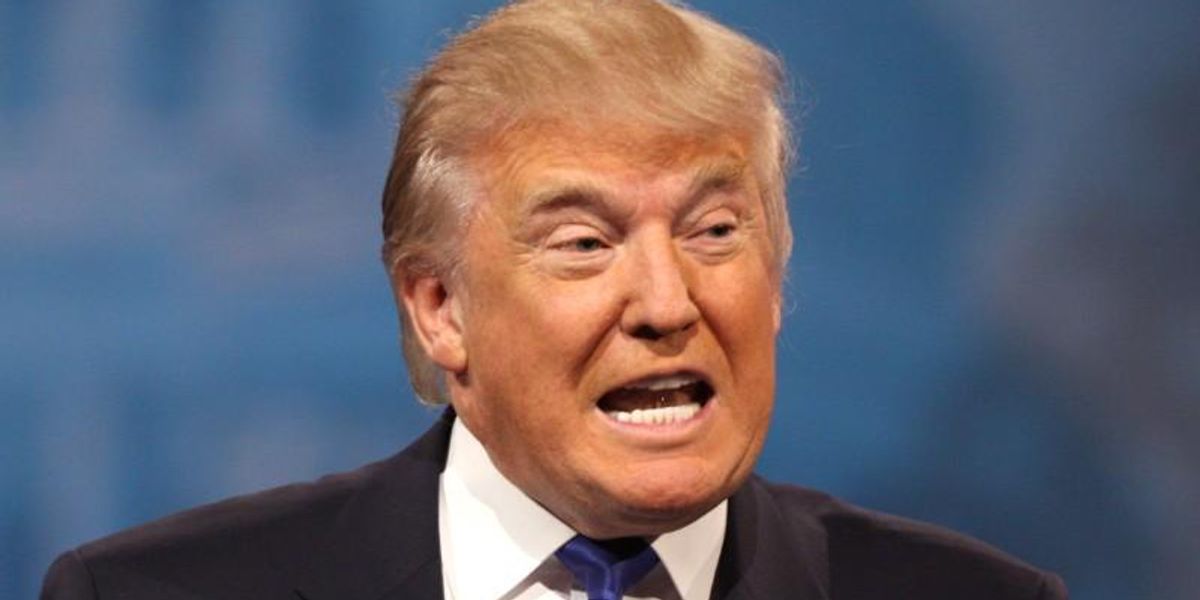
President Donald Trump recently made a statement on Truth Social regarding toll charges in the Strait of Hormuz. He announced a 60-day \"Cease Fire Period\" with no tolls, except for those imposed by the United States. Trump justified these tolls as compensation for the U.S. acting as the \"Guardian Angel\" to Middle Eastern countries, covering past, present, and future costs. This post suggests that the U.S. may consider imposing tolls in the future if the deal collapses.
The post reframes a delicate ceasefire, initially secured by Trump's strong rhetoric towards Iran, as a protection agreement where the U.S. could potentially charge for safe passage. Trump's statement leaves room for the possibility of American tolls in the future, rather than ruling them out entirely. Iran has agreed not to collect tolls for 60 days but plans to start charging once the initial period ends, setting the stage for potential toll disputes between the two countries.
The significance of this issue is underscored by the fact that approximately 20 million barrels of oil per day, representing a fifth of the world's oil supply, pass through the vital waterway of the Strait of Hormuz. Additionally, a significant portion of the world's liquefied natural gas also traverses this strategic chokepoint. The potential implications of toll disputes in this critical maritime route are substantial and could have far-reaching consequences for global energy markets.
In conclusion, President Trump's recent statements on toll charges in the Strait of Hormuz have sparked discussions about the role of the United States in safeguarding maritime passage in the region. The prospect of tolls being imposed by the U.S. and Iran in the future adds a layer of complexity to an already delicate geopolitical situation in the Middle East. The implications of these developments on global energy security and trade dynamics are significant and warrant close attention in the coming months.