Protecting Artists: The NO FAKES Act and the Fight Against AI Abuse
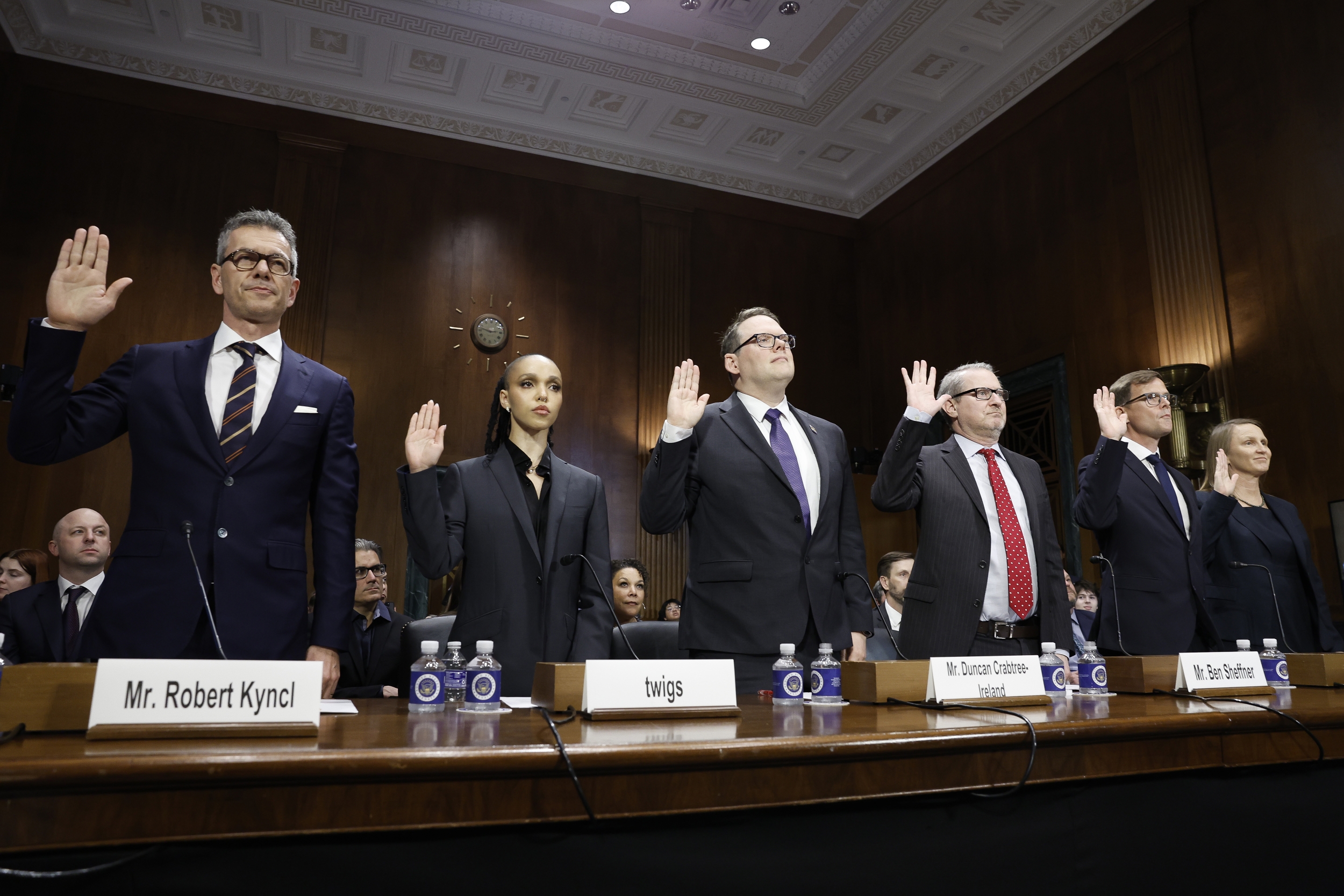
In early 2024, the circulation of fake AI images of Taylor Swift on social media sparked a significant backlash, prompting the White House to express concern and urge Congress to take action. Lawmakers, including Rep. María Elvira Salazar, highlighted the need to address AI abuse, particularly in cases involving celebrities like Swift and Drake. The lack of federal legal recourse for artists impacted by AI-generated content led to the introduction of the NO FAKES Act, which aims to protect individuals' rights to their voice and likeness in AI-generated material.
The NO FAKES Act, also known as the Nurture Originals, Foster Art, and Keep Entertainment Safe Act, has been advanced by the Senate Judiciary Committee and is set for a full Senate floor vote. The legislation grants individuals the legal authority to authorize the use of their voice and likeness in AI-generated content and seek the removal of unauthorized material. Platforms hosting unauthorized content could face substantial financial penalties under the proposed law.
The bill addresses the challenges faced by artists and their estates, such as the unauthorized use of Tupac Shakur's voice in a diss track and the cloning of artists like Drake and The Weeknd in viral TikTok videos. The 70-year posthumous protection provided by the NO FAKES Act aims to close the legal gaps that currently exist, ensuring that artists and their families have recourse against AI abuse. The broad support for the bill from various sectors, including technology companies, creative communities, and labor unions, underscores the need for federal legislation to address AI-generated content.
Despite unanimous committee approval, the NO FAKES Act faces potential challenges related to First Amendment concerns raised by some senators. The bill includes protections for free speech and other uses, but the debate over how it may impact satire and commentary is likely to continue during the full Senate deliberations. Industry stakeholders, including the RIAA, are optimistic about the bill's passage into law, but the legislative process and political calendars could influence its progress.
The Taylor Swift deepfake incident highlighted the urgency of establishing a federal framework to address synthetic media and protect individuals' rights in the digital landscape. The NO FAKES Act represents a crucial step towards providing legal safeguards for public figures and independent artists facing AI-generated content challenges. The outcome of the legislative process will determine the effectiveness of the bill in addressing the growing concerns surrounding AI abuse and the unauthorized use of individuals' voices and likenesses.