The Rise of Trillionaire Elon Musk and the Global Wealth Disparity Crisis
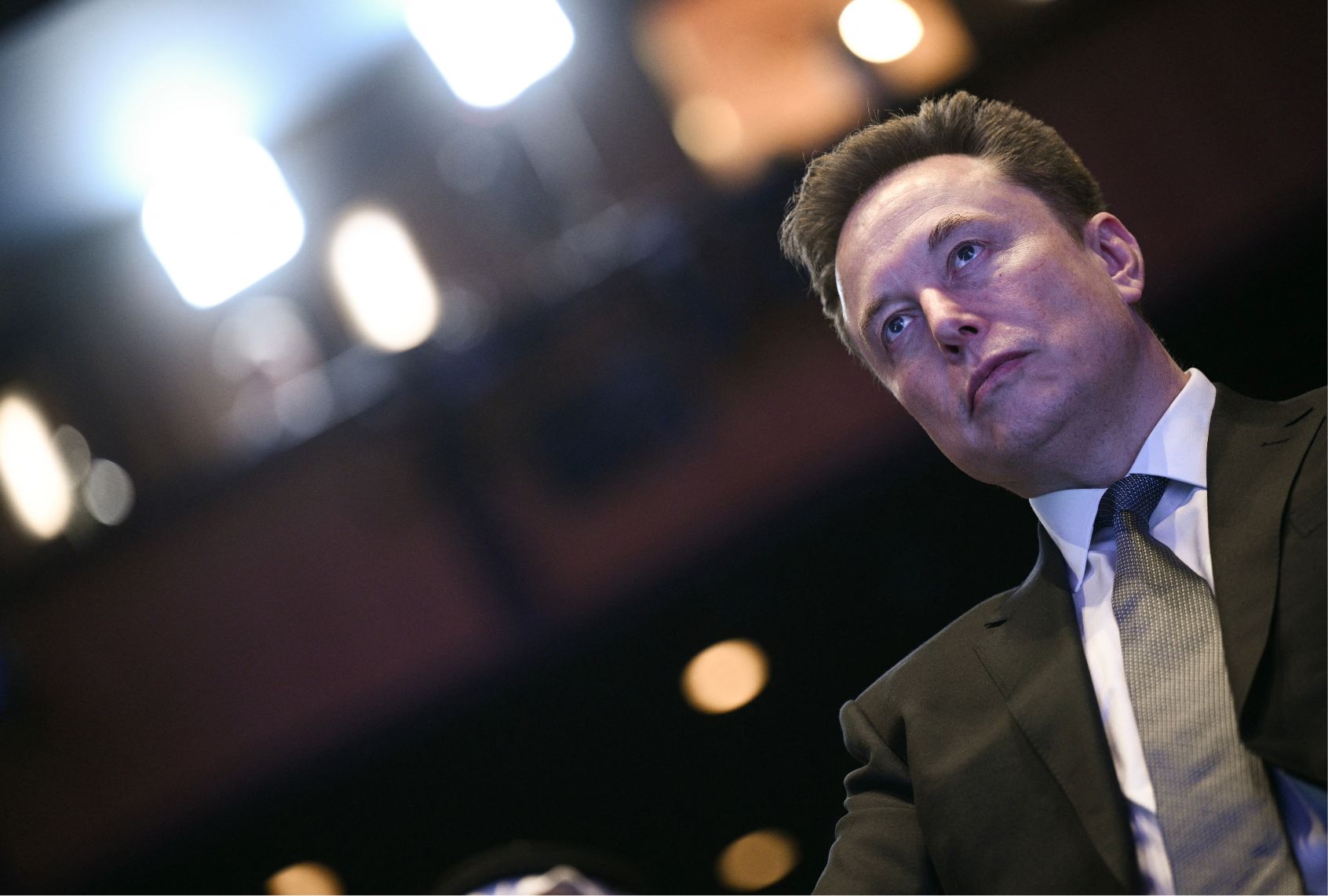
Elon Musk, the founder of SpaceX, has become the world's first trillionaire with an estimated fortune exceeding $1.3 trillion, surpassing other wealthy individuals like Larry Page. The concept of a trillion dollars is so vast that it almost becomes abstract and unimaginable, holding immense power and influence. The concentration of wealth in the hands of a few individuals, like Musk, highlights the significant wealth disparity globally and within the United States.
The wealthiest 1% control a substantial portion of the world's wealth, with the top twelve richest individuals possessing more wealth than half of the global population. This concentration of wealth extends to corporations that wield significant financial power, often surpassing that of entire countries. The accumulation of such vast wealth raises questions about the implications for society and democracy, as individuals like Musk have the ability to shape societal values and behaviors.
Musk's substantial financial contributions to Republican candidates and right-wing organizations during the 2024 election cycle have raised concerns about his influence on political discourse. His social media platform, X, has been accused of amplifying right-wing and extremist voices while marginalizing opposing viewpoints. The actions of Musk and other mega-wealthy individuals underscore the power they hold to shape political narratives and agendas.
The emergence of a super-wealthy class, including Musk, poses challenges to the principles of democracy and equality. The unchecked power and influence wielded by these individuals raise questions about their accountability and responsibility to society. The concentration of wealth in the hands of a few can distort democratic processes and undermine the fundamental principles of governance.
The growing discontent and resentment towards billionaires and millionaires reflect a broader societal shift towards demanding greater accountability and transparency from the ultra-wealthy. Public opinion polls indicate a widespread belief that the economic system is rigged in favor of the rich and powerful, leading to calls for increased taxation on the wealthy and greater regulation of corporations. The widening wealth gap has fueled a sense of disillusionment and frustration among the general population.
The economic disparities exacerbated by extreme wealth inequality have far-reaching consequences for society. The disproportionate benefits reaped by the very rich have deprived the majority of Americans of their fair share of economic growth. Addressing these inequalities through more equitable distribution of wealth could significantly improve the quality of life for many individuals and alleviate financial stress and insecurity.
The prevailing narrative of wealth and income inequality as an inevitable outcome obscures the human toll and real-life implications of such disparities. The reluctance of the ultra-wealthy to acknowledge alternative realities perpetuates the cycle of extreme inequality and hinders progress towards a more equitable society. Challenging the status quo of gangster capitalism and technofeudalism requires envisioning a different future where economic opportunities are more evenly distributed and accessible to all members of society.