Nightfall: Isaac Asimov's Sci-Fi Classic and Its Controversial Film Adaptation
Isaac Asimov's renowned short story "Nightfall" is set on the distant planet Lagash, which is part of a unique six-sun solar system. The astronomers on Lagash discover a disturbing 2,000-year star cycle that leads to a mysterious phenomenon known as "night," during which the planet experiences darkness and sees stars in the sky. The inhabitants of Lagash have an inherent fear of the dark, and their history is marked by apocalyptic events every 2,000 years. When night finally falls, the people of Lagash witness the vastness of the cosmos and go insane.
In 1988, Roger Corman's production company adapted "Nightfall" into a feature film, directed by Paul Mayersberg. The film received negative reviews, with criticisms of the casting, editing, and dialogue. The movie stars David Birney as Aton, a character from the original story, and features a climax centered around the titular nightfall.
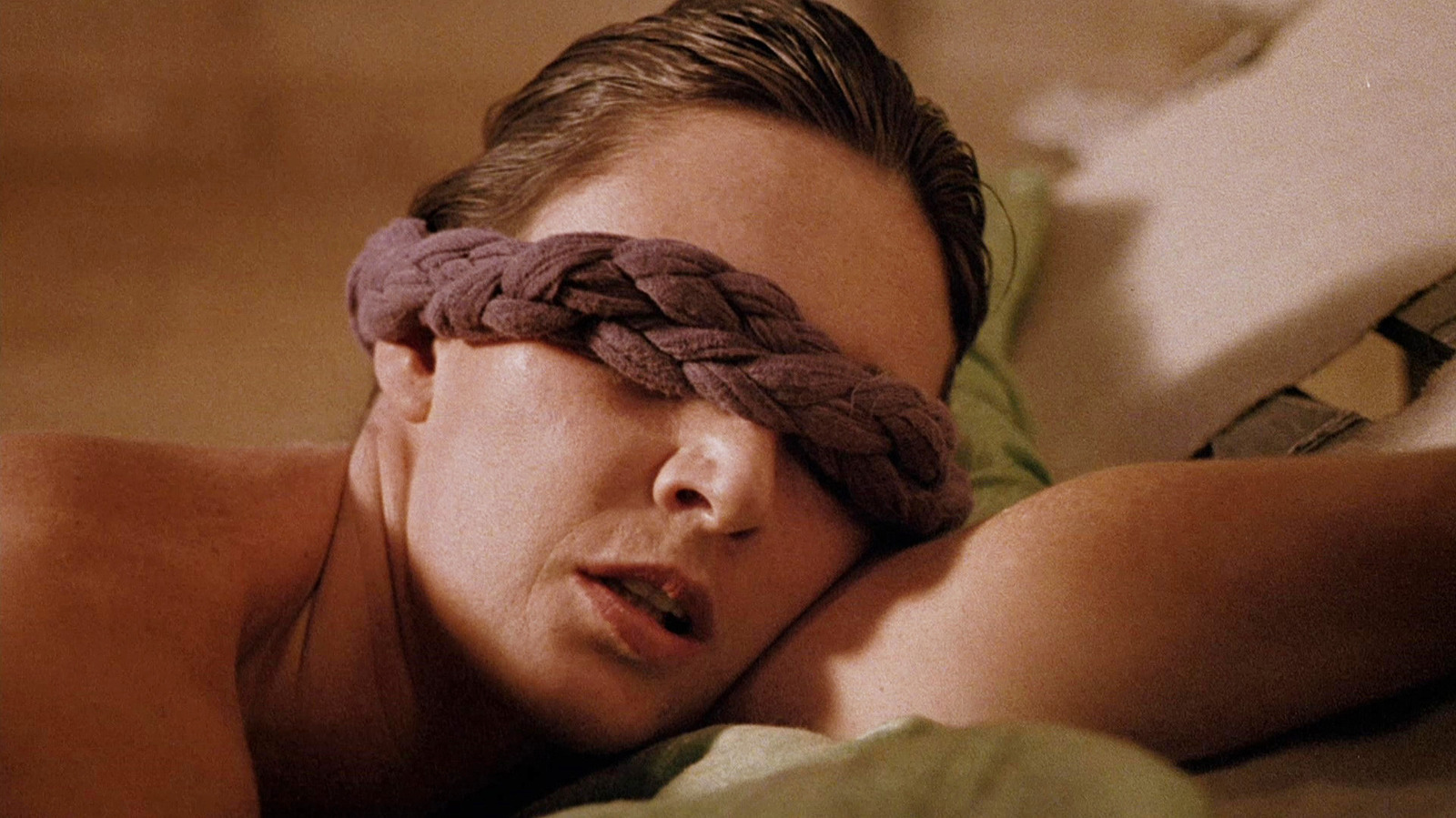
The theme of Asimov's "Nightfall" explores the limitations of the human mind in understanding the universe and the reinterpretation of cosmic panic through religious beliefs. The 1988 film version of "Nightfall" deviates from these themes and includes added sexual content, which was criticized by viewers. The production of the film was detailed in Starlog Magazine, highlighting the challenges of adapting Asimov's talky story into a cinematic format.
Despite some positive reviews praising the campy nature of the film, "Nightfall" received overall negative feedback for straying from the source material and adding unnecessary sexual elements. The filmmakers' approach to adapting the story was questioned, with critics pointing out the mismatch between the idea-based nature of sci-fi and the visual demands of cinema. The film's reception was largely unfavorable, with critics highlighting its shortcomings in capturing the essence of Asimov's original work.