The Impact of Party Polarization and Negative Partisanship on the 2026 Senate Races in Texas and Maine
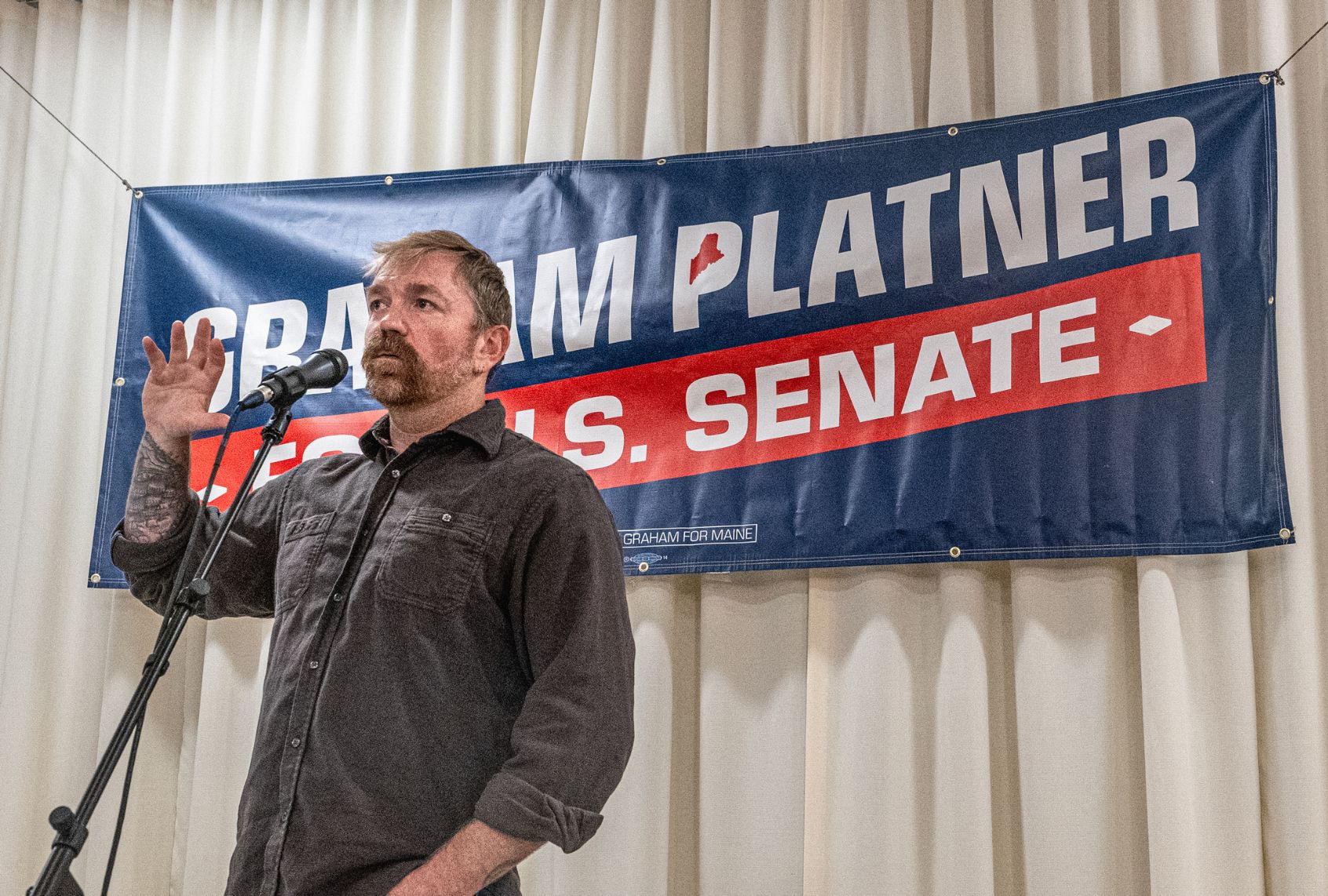
The upcoming 2026 midterm elections are set to feature controversial candidates from both parties vying for U.S. Senate seats in Texas and Maine. In Texas, Ken Paxton, the state's attorney general, won the Republican nomination over incumbent Sen. John Cornyn despite facing corruption and bribery accusations. In Maine, political novice Graham Platner secured the Democratic nomination, overcoming personal scandals and controversies. Both candidates emerged victorious in their primaries, signaling potential success in the general election.
Party polarization and negative partisanship play significant roles in shaping voter behavior and candidate selection. The increasing divide between Democrats and Republicans has fueled animosity and distrust between party members. Voters are more likely to base their decisions on opposition to the other party rather than support for their own. This trend has led to a decline in voter sentiment towards the opposing party and a rise in defensive partisanship, where scandals within one's party can strengthen loyalty.
The competitive nature of elections, coupled with the high stakes of controlling political institutions, has lowered the standards for candidate selection. In closely contested races, the focus shifts from presenting the best candidates to preventing the opposing party from gaining power. This dynamic often results in voters choosing the "lesser of two evils" to avoid the perceived threat of the other party taking control. Despite the flaws and controversies surrounding candidates like Paxton and Platner, party loyalty and fear of the opposition drive voter decisions.
The 2026 Senate races in Texas and Maine exemplify the complex interplay of party dynamics, negative partisanship, and the race to maintain political power. As voters navigate a landscape marked by polarization and heightened competition, the willingness to support imperfect candidates underscores the lengths individuals are willing to go to secure victory. The outcome of these elections will shed light on the enduring influence of partisanship and the trade-offs voters are willing to make in pursuit of political success.