The Literary Feud: Tolkien's Critique of Narnia and the Legacy of Fantasy Literature
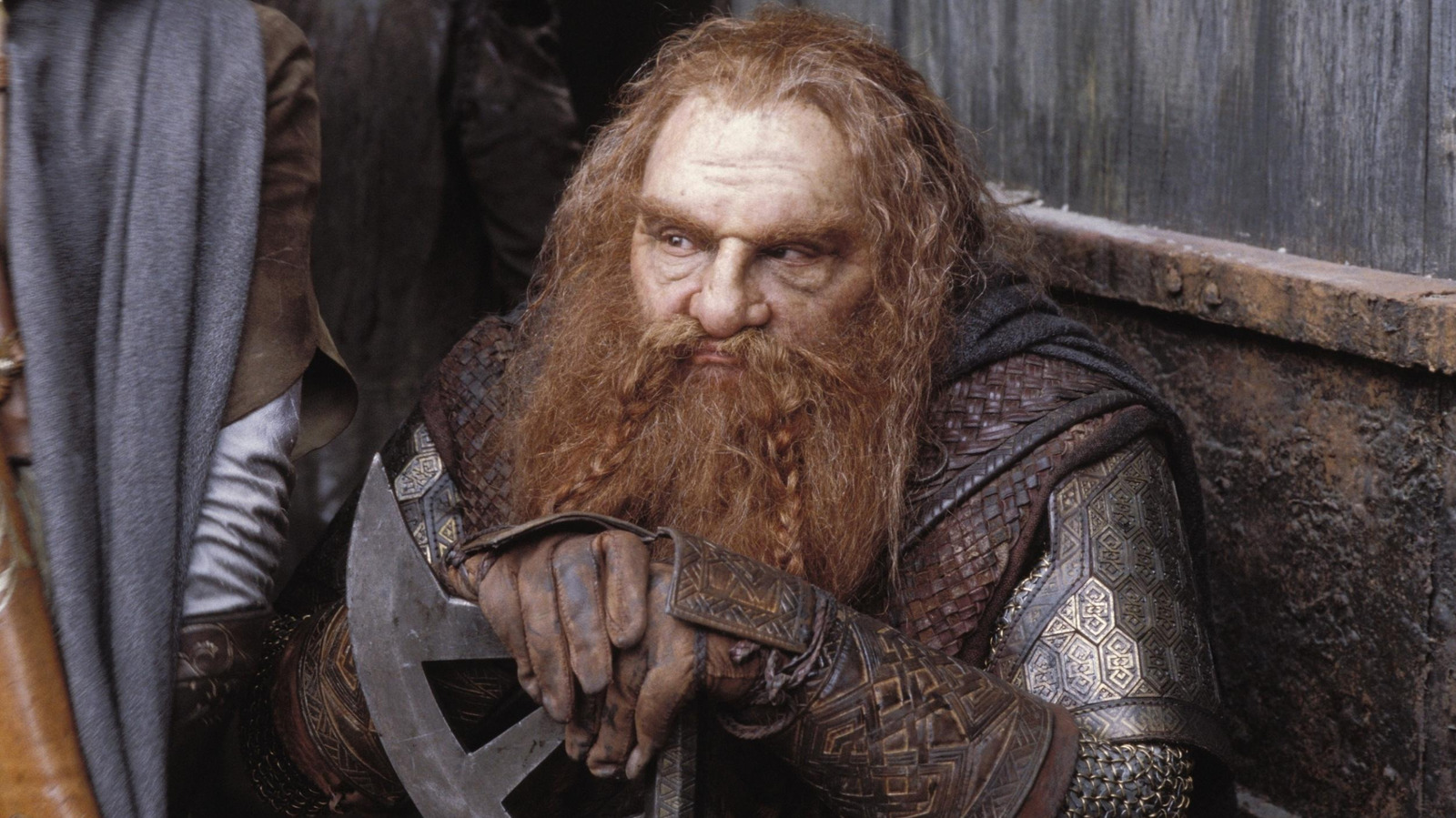
For over two decades, I have been engrossed in the magical world of C.S. Lewis' "The Chronicles of Narnia" series. The timeless appeal of these books is undeniable, which is why it comes as no surprise that Greta Gerwig is feeling apprehensive about directing the upcoming Narnia movies. Interestingly, one person who did not share the same enthusiasm for Narnia was Lewis' close friend, J.R.R. Tolkien. Tolkien was not just indifferent to Narnia; he found it to be absurd and a deviation from the essence of fantasy literature.
Tolkien's criticism of Narnia was not merely a matter of personal preference. As members of the Inklings literary group at Oxford University, Lewis and Tolkien shared a deep bond over their love for storytelling. However, Tolkien was vocal about his disapproval of Lewis' approach to incorporating various mythical creatures into a single narrative. He believed that such a mishmash of fantastical elements undermined the integrity of the fantasy genre.
In a post-release interview following the debut of the film adaptation of "The Lion, the Witch and the Wardrobe," Wheaton College Professor of Literature Alan Jacobs shed light on Tolkien's perspective. According to Jacobs, Tolkien was a staunch traditionalist when it came to mythology and storytelling. He held his creations to the highest standards and was critical of any perceived dilution of the mythological world he had meticulously crafted.
Tolkien's meticulousness extended to his own works as well. While he published "The Hobbit" and "The Lord of the Rings" during his lifetime, many of his other writings, such as "Unfinished Tales" and "The Silmarillion," were posthumously compiled and edited by his son, Christopher Tolkien. Christopher often had to navigate through multiple versions of his father's stories to determine the most authentic representation for publication.
Despite their creative differences, C.S. Lewis played a pivotal role in encouraging Tolkien to share his Middle-earth stories with the world. The camaraderie between these two literary giants was evident, with Tolkien acknowledging Lewis' support in a letter to a fan. Their divergent views on fantasy literature underscored the complexity and diversity of the genre, leaving a lasting legacy that continues to captivate readers and filmmakers alike.