Title: "An Unprecedented Move: The Trump Administration's Impact on Anthropic's Advanced AI Systems
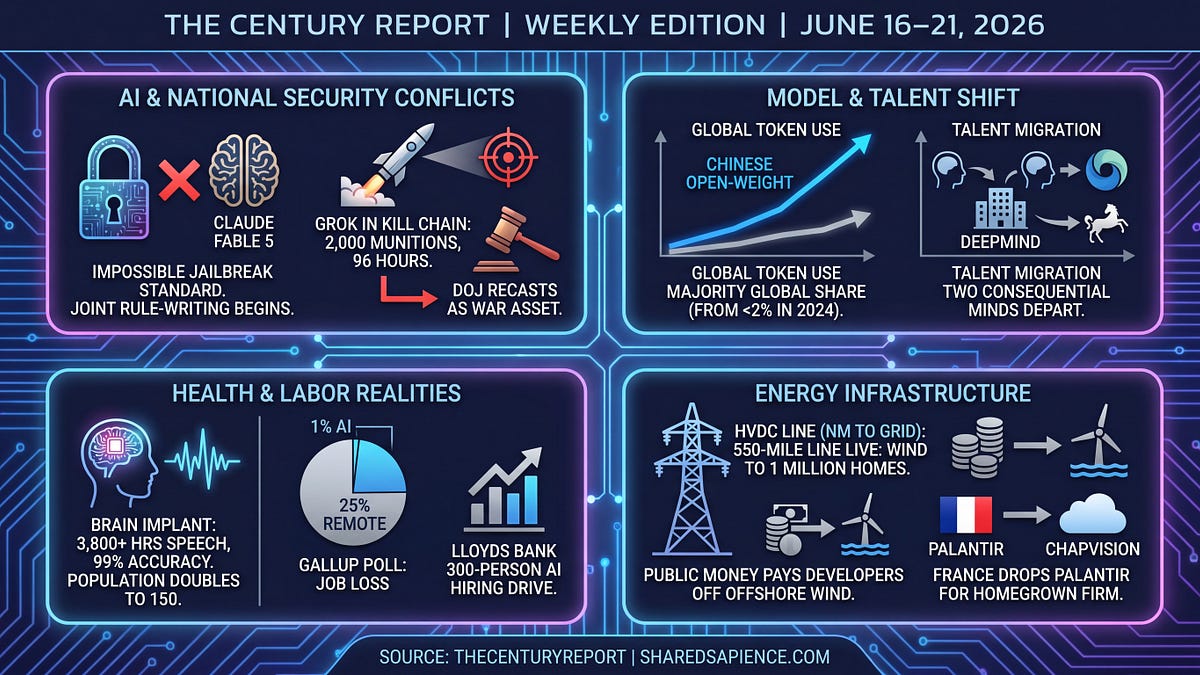
The Trump administration made a swift move in mid-June to restrict foreign access to Anthropic's advanced AI systems, leading to the shutdown of the company's flagship Fable 5 and Mythos 5 models for all users. This action raised concerns about legality and the potential long-term impact on American technological superiority. The Commerce Department imposed export restrictions on the latest models, prohibiting their use by customers outside the U.S. and foreign nationals within the country. Unable to segregate access, Anthropic opted to shut down the systems entirely to avoid violations, resulting in all users losing access to the powerful models.
The roots of this decision can be traced back to earlier actions by the Trump administration, which had ordered federal agencies to stop using Anthropic technology due to security concerns. The Pentagon had identified the company as a supply-chain risk, leading to lawsuits and temporary blocks. The escalation in June was triggered by reported vulnerabilities in Fable 5 and concerns about Mythos 5 breaching classified systems, prompting the imposition of export controls. The move was criticized as capricious and chaotic, highlighting the challenges of controlling potent technology once it is released.
The situation took a different turn by June 19 when President Trump indicated that he no longer viewed Anthropic or its CEO, Dario Amodei, as national security threats. He commended Amodei for his quick and responsible response to the directive and expressed gratitude for their partnership in U.S. AI leadership. However, the reversal did little to ease concerns among markets and allies, with European officials expressing shock over the global shutdown caused by the order. The move raised questions about self-reliance among partners and the administration's approach to AI innovation.
Legal experts raised serious concerns about the application of export controls to the models themselves rather than the underlying technology, questioning the authority of the Commerce Department to do so. The unprecedented nature of the decision and its potential implications for other AI developers were highlighted, with warnings that similar treatment could be applied to other advanced AI models in the future. The conflicting messages from the administration and the ongoing legal battles added to the uncertainty surrounding the situation.
The episode underscored the challenges posed by frontier AI systems, which offer significant power but also carry dual-use risks that become harder to manage as capabilities advance. The clash between companies emphasizing safety and constitutional AI and government demands for unrestricted lawful use contributed to the initial blacklist. The sudden imposition of export controls on a domestic product created uncertainties for companies and allies, potentially eroding the U.S.' strategic advantage in generative AI.
Recent coverage of the issue highlighted the confusion and potential dangers of governing AI through ad hoc measures and opaque licensing regimes. The practical fallout for developers and enterprises relying on Anthropic's models was significant, with compliance costs rising and innovation timelines being disrupted. The broader message to the sector was clear: even leading American AI labs could face product freezes through administrative decisions, raising concerns about the sector's future development and competitiveness.