Title: "Canadian Perspectives on Historic Injustices Against Indigenous Peoples: A Divided Nation
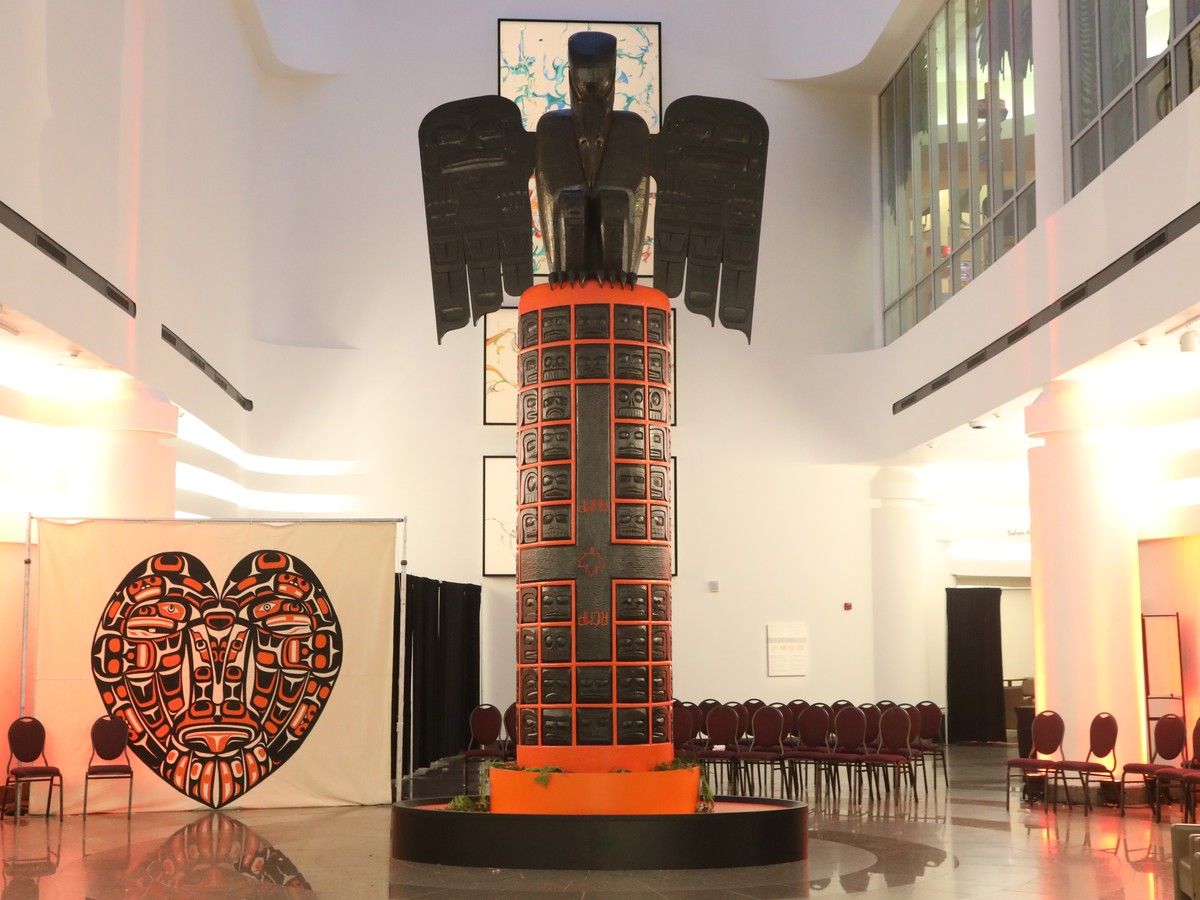
Canadians have varying views on the relevance of historic injustices against Indigenous peoples, with a recent Leger poll revealing that many Canadians do not believe these injustices are solely in the past. The survey conducted for the Association of Canadian Studies highlights the importance of acknowledging past wrongs in shaping current policy responses. However, there is a significant portion of the population that perceives these injustices as historical and not necessarily influencing present-day decisions.
The survey data indicates a divide among Canadians, with 48% agreeing that historical injustices against Indigenous peoples are still pertinent, while 42% disagree. Factors such as gender, age, and region play a role in shaping these perspectives. Women are more likely than men to view these injustices as relevant, and Canadians under 55 are more inclined to disagree that the issue is mostly in the past.
The generational gap in perceptions could be attributed to increased exposure to discussions about Indigenous issues among younger Canadians through various channels such as education, media, and public discourse. Regionally, Ontarians are less likely to believe that historic injustices have lost relevance, while residents of Manitoba and Saskatchewan, with a higher percentage of Indigenous individuals, are more inclined to view these injustices as past.
French speakers and allophones show a more balanced split on the question of historic injustices against Indigenous peoples compared to English speakers. The survey also reveals a similar pattern regarding perceptions of the history of slavery and anti-Black racism in North America, with gender differences and regional variations influencing viewpoints on these issues.
Overall, the survey findings underscore the ongoing debate within Canadian society about the impact of historical injustices on current policies and relationships between Indigenous and non-Indigenous communities. The complexities of these perspectives highlight the challenges faced in advancing reconciliation efforts and addressing systemic inequalities.