California Gas Station Operators Face Lawsuit for Alleged AI Price Manipulation: Impact on Consumers and Industry Regulation
Gas station operators in California, including BP, Circle K, Marathon Petroleum, 7-Eleven, Walmart, and Albertsons, are facing a lawsuit filed by drivers in the state. The drivers allege that these operators used artificial intelligence to manipulate gas prices, violating California's antitrust law, the Cartwright Act. The lawsuit claims that the AI tool, provided by a company called Kalibrate, gathers data from competing gas stations to coordinate higher prices, resulting in increased costs for consumers.
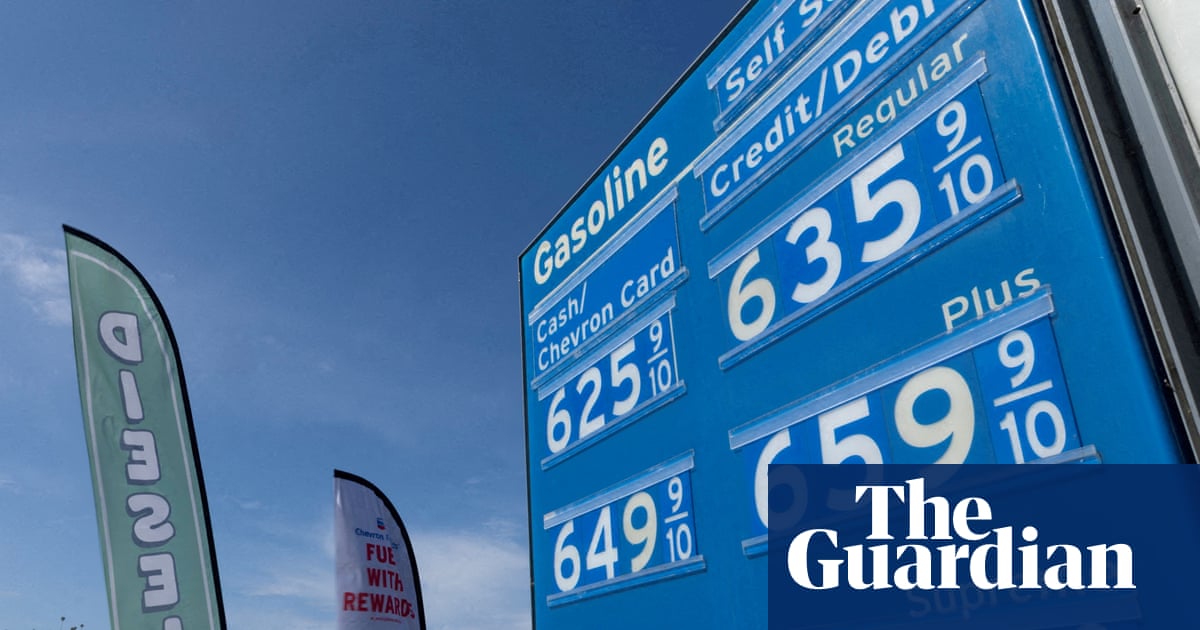
The lawsuit, filed in a federal court in Sacramento, California, accuses the gas station operators of exploiting Assembly Bill 325, a California law aimed at preventing algorithmic price fixing. Drivers have reported significant increases in gas prices, up to 30 cents per gallon, in areas where the AI tool is widely used. This has led to inflated gasoline prices, sometimes reaching as high as $7 per gallon, impacting the financial burden on California drivers.
The complaint highlights the challenges faced by families trying to afford their daily commute to work, while the defendants allegedly conspire to eliminate competition and maintain artificially high gas prices through the use of AI technology. The defendants collectively operate over 1,700 gas stations in California, with Kalibrate also named as a defendant in the lawsuit. Despite the allegations, the defendants have either not responded to requests for comment or have chosen not to comment on the matter.
California currently has the highest gas prices in the nation, averaging $5.58 per gallon for regular gasoline, compared to the national average of $3.93. The lawsuit seeks unspecified damages for drivers who have been impacted by the alleged price manipulation. The use of AI technology in the gas station industry has raised concerns about fair competition and consumer protection, prompting legal action to address these issues.
In conclusion, the lawsuit against gas station operators in California underscores the importance of transparency and accountability in pricing practices. The alleged use of artificial intelligence to manipulate gas prices has raised significant concerns among drivers, who are seeking justice for the financial burden imposed on them. As the legal proceedings unfold, the outcome of this case could have implications for the regulation of AI technology in the fuel industry and its impact on consumer welfare.