Paul McCartney's Top Four Solo Albums: A Journey of Musical Evolution
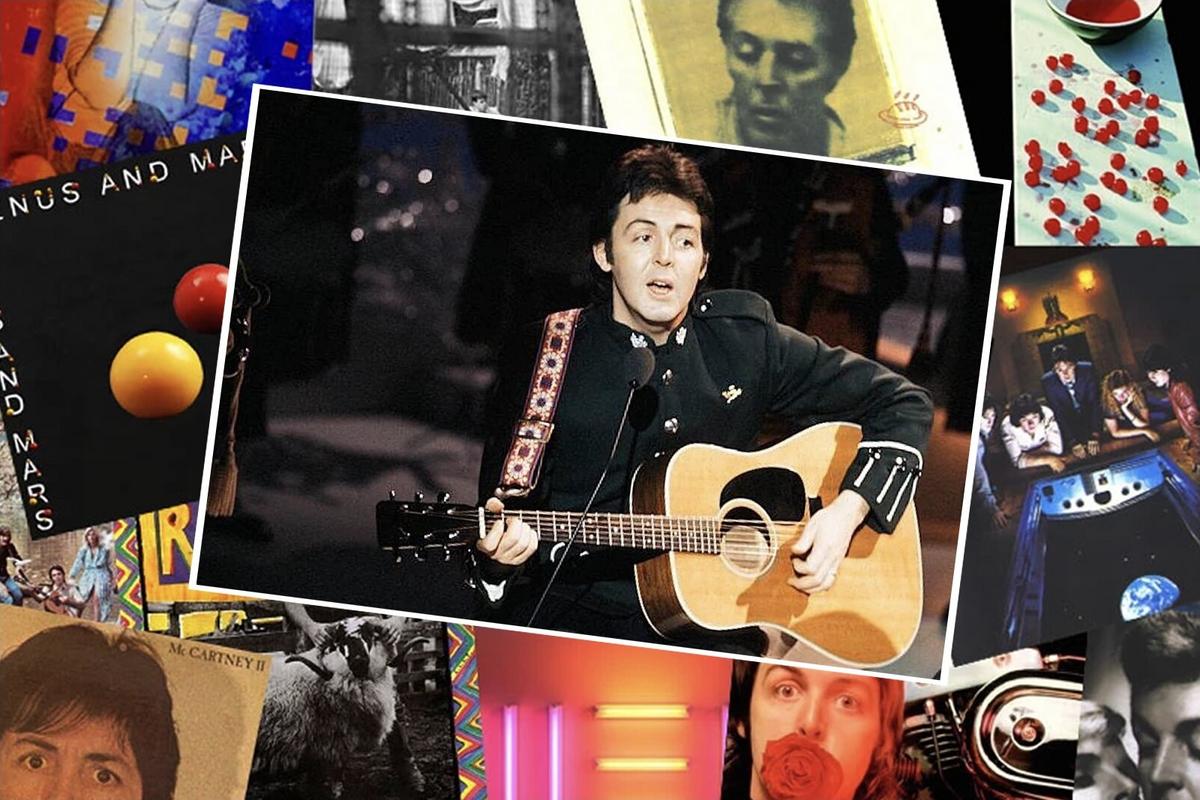
Paul McCartney's success after leaving the Beatles has been both critically and commercially significant. While he has had numerous platinum-selling albums, this list focuses on his top four albums. These albums showcase McCartney's evolution as a solo artist and highlight his creative freedom.
McCartney's post-Beatles journey was not without challenges, but he found success with his band Wings, selling over six million albums in America between 1973-78. The excitement of achieving success with Wings was a pivotal moment in McCartney's career and marked a new chapter in his musical journey.
Despite initial criticism, McCartney's solo albums outside of Wings make up the majority of his top four albums. These albums represent different phases of his career, from late-career triumphs to early solo ventures where he explored new musical directions.
One of the most significant periods in McCartney's career was when he and Linda McCartney moved to Scotland's Kintyre peninsula. This change in scenery led to a shift in his music, setting the stage for his solo induction into the Rock & Roll Hall of Fame. McCartney's willingness to explore new sounds and styles set him apart from his Beatles legacy.
While some fans may have initially expected McCartney to replicate the Beatles' sound in his solo work, he purposefully chose to explore new musical territories. This decision was met with mixed reactions initially but eventually led to a reassessment of his work by critics and fans.
In retrospect, projects that were once criticized have now been recognized as essential parts of McCartney's discography. Two of these albums are included in the top four list, showcasing McCartney's willingness to push boundaries and evolve as an artist.
Overall, Paul McCartney's post-Beatles career has been a testament to his musical versatility and willingness to take creative risks. His top four albums highlight his growth as a solo artist and his ability to carve out a unique musical identity beyond his Beatles legacy.