The Monarch's Role in Appointing the Prime Minister: A Constitutional Perspective
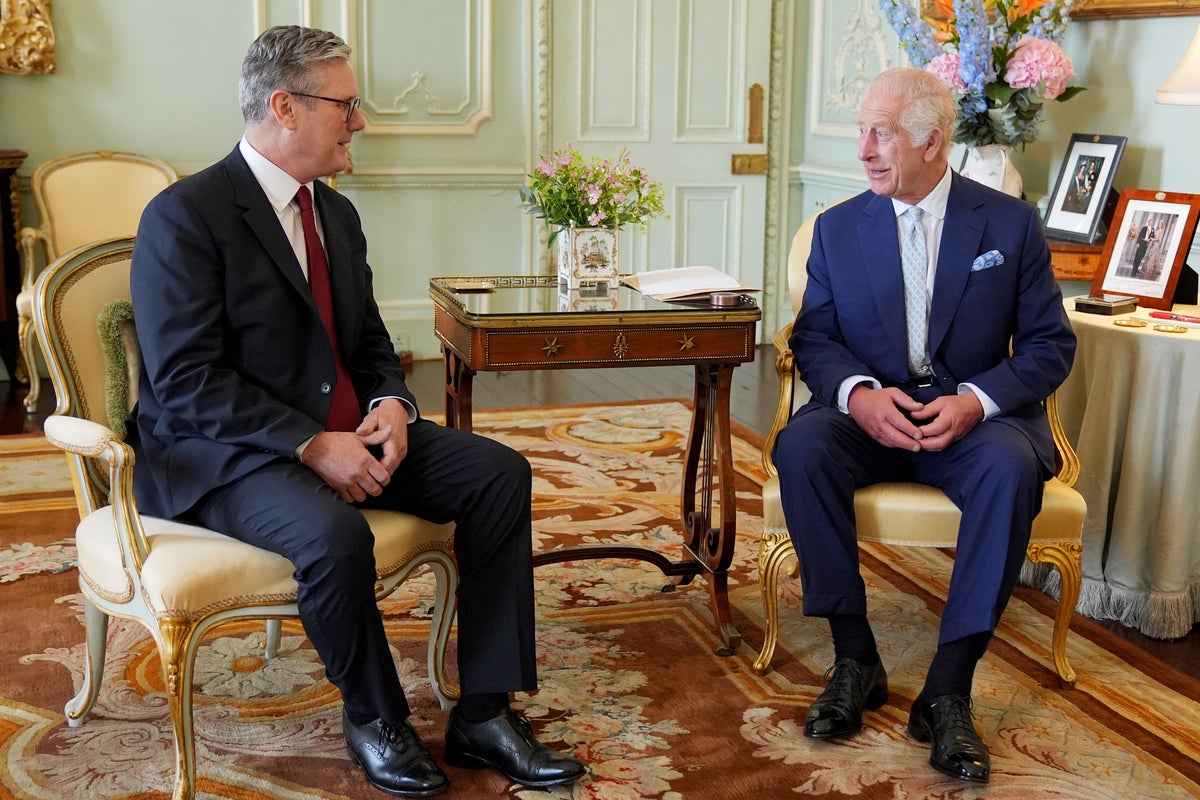
The monarch plays a crucial role in appointing a new prime minister, a unique power that does not require external advice. The King must appoint someone who can command the confidence of the House of Commons. Sir Keir Starmer has informed the King of his decision to resign as leader of the Labour Party and prime minister. The new prime minister will be selected as the Labour leader and formally appointed by the King. The incoming prime minister will usually shake hands with the King and may bow or curtsy. The actual kissing of hands usually takes place at a later Privy Council meeting.
The prime minister holds a weekly audience with the monarch to discuss government matters. The King must remain politically neutral but can advise and warn ministers when necessary. Sir Keir and the King had a warm rapport and discussed social issues during their meetings. The King sympathized with Sir Keir during a difficult time and supported him as prime minister. The King undertook a state visit to America and played a crucial role in repairing the UK-US special relationship.
Sir Keir praised the King for his environmental campaigning and commitment to fairness. Despite previously advocating for the abolition of the monarchy, Sir Keir paid tribute to the King's service to the country. Downing Street denied involving the King in politics after a joint engagement with Sir Keir at a housing project. Sir Keir has had several interactions with the royal family and has been a member of the Privy Council since 2017.
The King's first premier was Liz Truss, followed by Rishi Sunak, and then Sir Keir Starmer. Sir Keir was the first Labour prime minister appointed by the King after a general election. The King's role in appointing and working with prime ministers is a significant aspect of the constitutional monarchy.