Federal Judge Invalidates Trump Administration's Courthouse-Arrest Policies: Impact on Immigration Court Proceedings
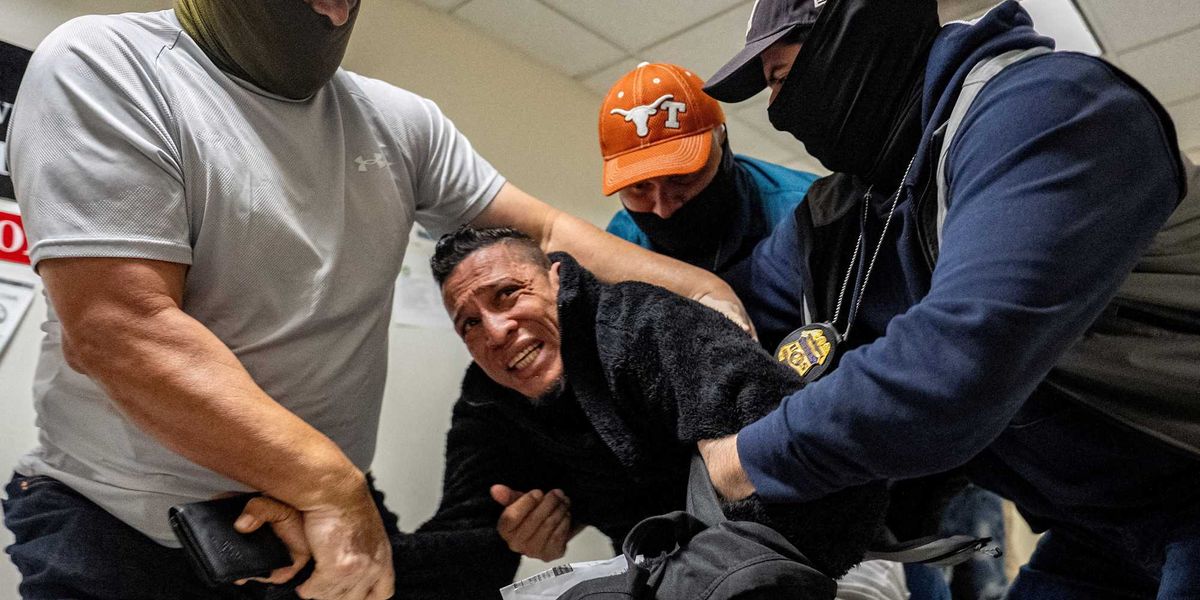
A federal judge has invalidated the Trump administration's practice of arresting immigrants at immigration courthouses, citing Immigration and Customs Enforcement's lack of decision-making. The order eliminates ICE's courthouse-arrest policies and a waiver allowing detainees to be held in short-term cells for up to 72 hours. The ruling stems from a class-action lawsuit on behalf of asylum seekers arrested at San Francisco's immigration court during required hearings.
Since January 2025, ICE has utilized courthouse arrests as a key component of its mass deportation strategy. The administration's approach involved dismissing immigrants' cases and immediately arresting them at court, expediting their removal with fewer due process protections. This tactic initially surprised judges and attorneys, with critics calling it inhumane and unlawful.
ICE had rescinded its 2021 guidance on courthouse arrests without issuing new rules specifically for immigration courts. The court found that the 2025 policies lacked mention of immigration courthouses, leaving agents without internal limits. The judge invoked the Administrative Procedure Act, emphasizing the need for agencies to provide reasoned explanations for policy changes.
The court deemed ICE's rationales for the new policy unconvincing in the context of immigration courts. It criticized the Executive Office for Immigration Review's policy change as based on a false premise and dismissed concerns about chilling effects as irrelevant. The ruling reinstates ICE's 2021 guidance, which restricted courthouse arrests to specific circumstances like national security threats or imminent danger.
In conclusion, the federal judge's decision to invalidate ICE's courthouse-arrest policies highlights the importance of thoughtful decision-making by federal agencies. The ruling reinstates previous guidelines that limit courthouse arrests to narrow circumstances, emphasizing the need for due process protections in immigration court proceedings.