Inmate's Religious Rights Denied: Supreme Court Ruling on Dreadlocks Case
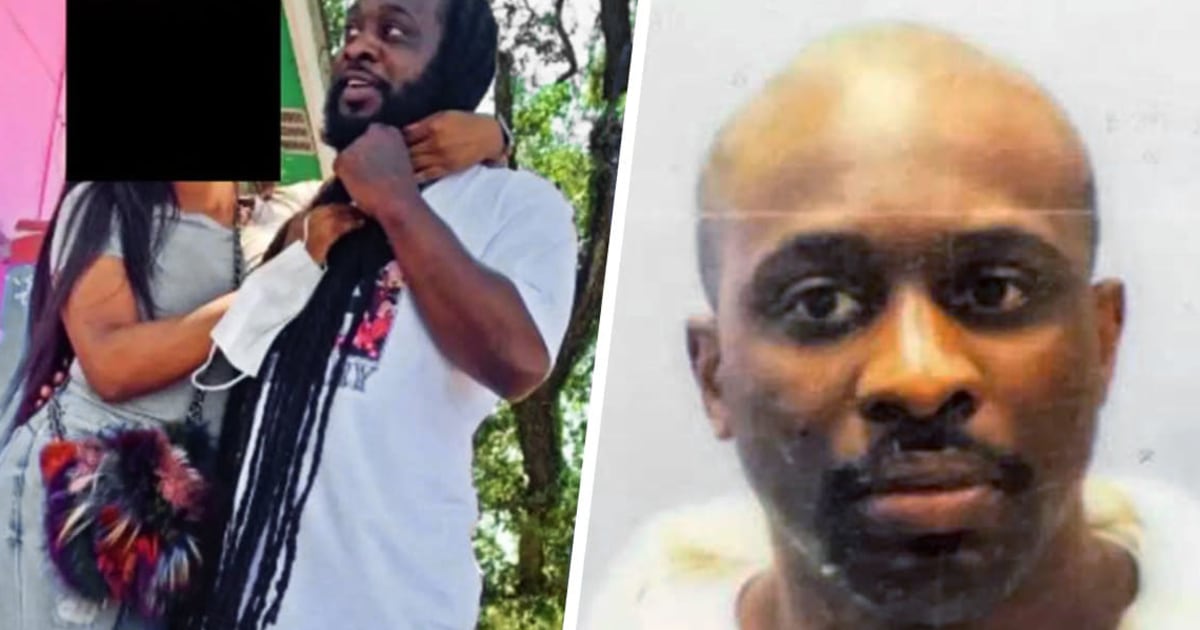
The Supreme Court recently ruled against a former Louisiana inmate, Damon Landor, who was prohibited from suing prison officials for cutting off his dreadlocks, which violated his Rastafari religious beliefs. The court stated that the Religious Land Use and Institutionalized Persons Act does not allow lawsuits for monetary damages in such cases. This decision was consistent with lower court rulings that also denied financial responsibility for violating inmates' religious rights.
Despite condemning the treatment of Landor, the Supreme Court did not extend the same rationale used in a previous case involving Muslim men suing over their inclusion on the FBI's no-fly list. The Justice Department, which had previously opposed the plaintiffs in the no-fly list case, supported Landor in this case. Landor's ordeal occurred during his five-month prison term in 2020, where prison officials forcibly cut his dreadlocks against his religious beliefs.
Landor's experience took a turn for the worse when he arrived at the Raymond Laborde Correctional Center, where officials disregarded his religious beliefs and forcibly shaved his head. Despite Landor's efforts to seek justice through legal action after his release, the courts dismissed his case, citing the limitations of the law in holding prison officials accountable for damages. Louisiana has since revised its prison grooming policy to prevent similar incidents from happening in the future.
The Rastafari faith, originating in 1930s Jamaica as a response to colonial oppression, combines Old Testament teachings with a desire to return to Africa. Prominent figures like Bob Marley and Peter Tosh helped spread the faith globally in the 1970s. The Supreme Court's decision underscores the challenges faced by individuals seeking to uphold their religious rights while incarcerated.