Reviving the West: Exploring the Impact of Neo-Western Films on American Cinema
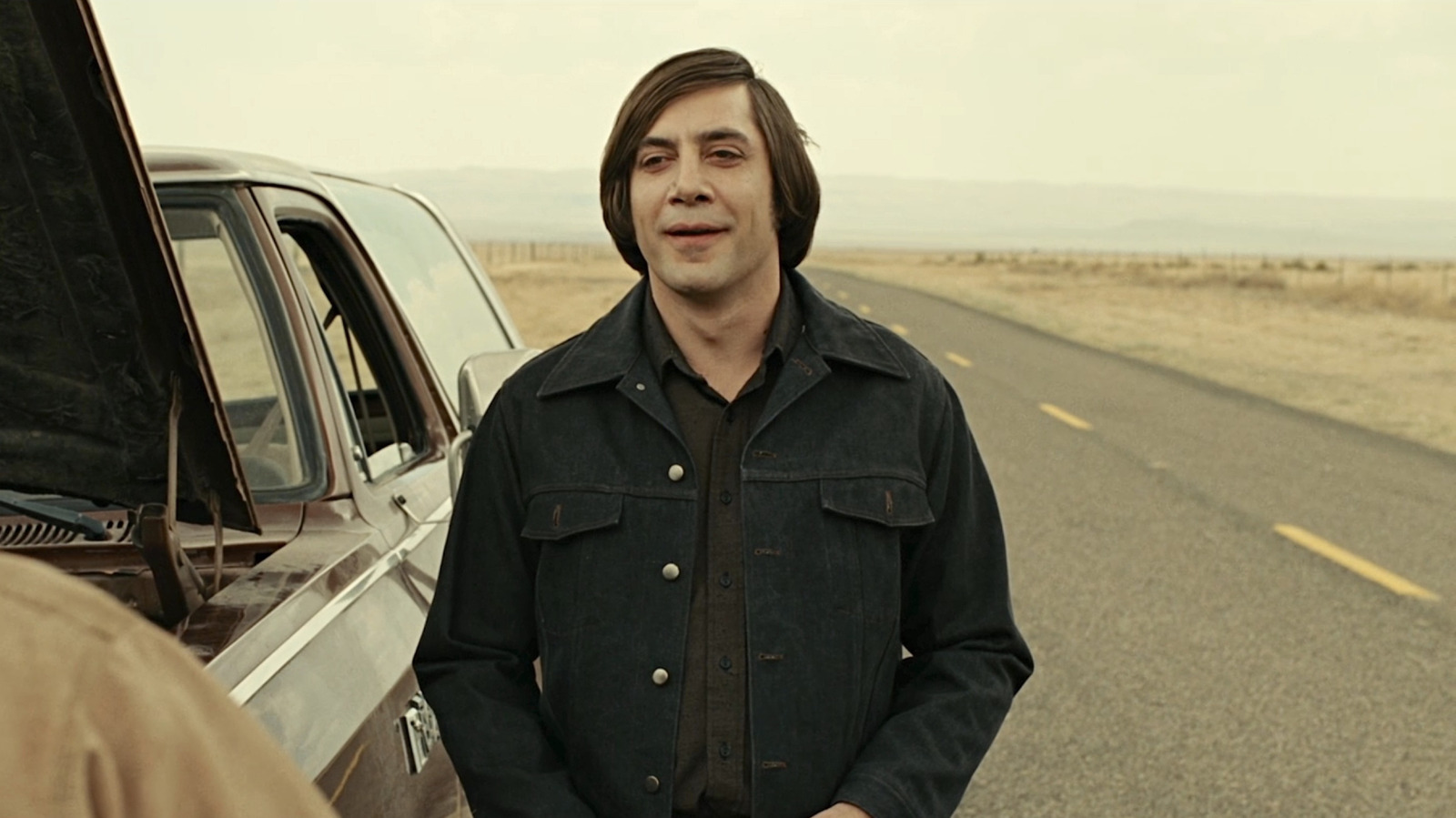
The impact of Western movies on American cinema is undeniable, with their influence extending to countless artists creating new films. The iconic imagery and themes from Westerns have been referenced and reimagined in numerous contemporary movies, giving rise to the neo-Western genre. Neo-Western films often transport Western narratives to modern settings, exploring darker themes, complex morality, and social commentary. These films breathe new life into traditional Western tropes, creating a unique blend of past and present storytelling.
One standout example of a neo-Western is Taylor Sheridan's screenplay for the 2016 film "Hell or High Water." The movie follows brothers Toby and Tanner Howard as they embark on a series of bank robberies in Texas, while Texas Ranger Marcus Hamilton pursues them. The film expertly blends Western elements with a modern setting, showcasing the characters' struggles and moral dilemmas. With stellar performances from the cast and strong cinematography, "Hell or High Water" stands out as a compelling neo-Western that challenges traditional genre conventions.
Nia DaCosta's directorial debut, "Little Woods," is another noteworthy entry in the neo-Western genre. The film follows Ollie, a North Dakota resident navigating her final days of probation and financial hardships. As Ollie grapples with personal and societal challenges, the film delves into themes of autonomy and survival in a harsh economic landscape. Through its gripping narrative and atmospheric score, "Little Woods" captures the essence of modern Western storytelling while offering a fresh perspective on traditional genre themes.
In contrast to classic Westerns that often reinforce outdated gender and racial stereotypes, John Sayles' "Lone Star" subverts these conventions by exploring the complexities of race and identity in a Texas border town. The film follows Sheriff Sam Deeds as he uncovers buried secrets and confronts the legacy of racial prejudice in his community. By challenging traditional Western archetypes and addressing social issues, "Lone Star" offers a thought-provoking take on the genre while delivering a compelling thriller narrative.
Finally, "Hud," directed by Martin Ritt and starring Paul Newman, stands out as a poignant portrayal of family turmoil on a Texas ranch. The film eschews traditional Western heroics in favor of raw emotion and introspection, with Newman delivering a standout performance as the flawed protagonist. Melvyn Douglas's portrayal of Hud's father adds depth and poignancy to the film, highlighting the themes of loss and redemption that resonate throughout the story. "Hud" remains a timeless classic that showcases the enduring power of Western storytelling in American cinema.
In conclusion, the neo-Western genre continues to evolve and redefine traditional Western themes for contemporary audiences. Through innovative storytelling, complex characters, and social commentary, neo-Western films like "Hell or High Water," "Little Woods," "Lone Star," and "Hud" offer a fresh perspective on the genre while honoring its rich cinematic legacy. These films exemplify the artistic virtues of the Western genre, demonstrating its enduring relevance and impact on modern storytelling.