Exploring Innovation: The Beatles' 'Paperback Writer' and the Evolution of Sound
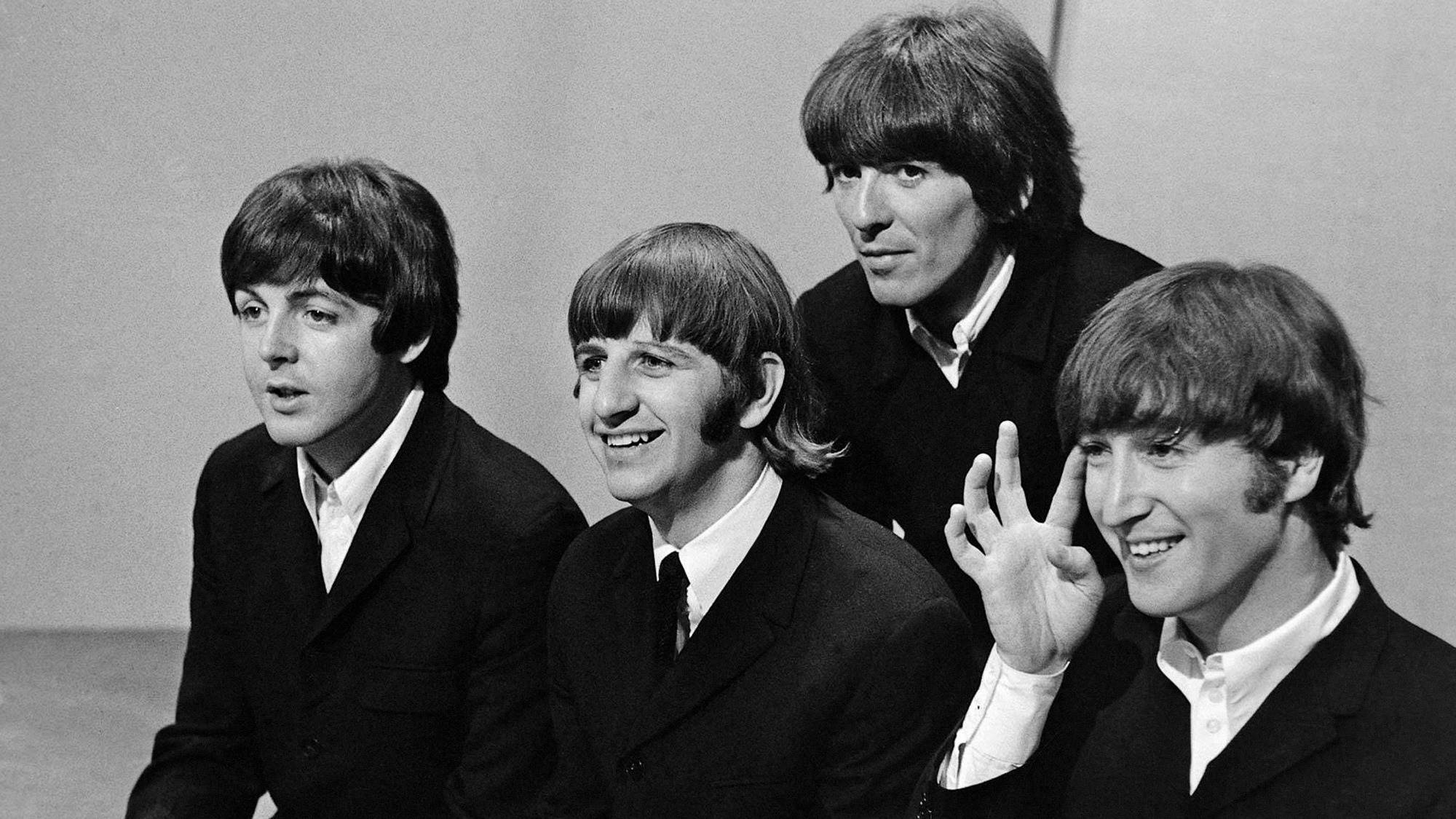
On June 22, 1966, the Beatles achieved their tenth consecutive No. 1 hit in the UK with the song "Paperback Writer." This track marked a departure from their previous releases as it was their loudest recording and featured a boosted bassline. The band's release schedule, orchestrated by Brian Epstein and George Martin, came to an end with this single, signaling a shift towards musical experimentation and exploration.
"Paperback Writer" represented a new era for the Beatles, where they prioritized creativity over commercial success. Inspired by a Wilson Pickett record, Paul McCartney sought a prominent bass sound, leading engineer Geoff Emerick to experiment with different techniques. By using a Rickenbacker bass guitar and innovative studio methods, they achieved a unique and powerful sound for the track.
During the mastering process of "Paperback Writer," the Automatic Transient Overload Control device was utilized to prevent low-frequency overload and ensure a high-quality recording. This technology allowed the mastering engineer to cut the track with an exceptionally high bass factor without compromising the final product. The result was one of the loudest masters produced by EMI at that time, showcasing the Beatles' commitment to pushing musical boundaries.
In conclusion, "Paperback Writer" not only marked a milestone in the Beatles' career but also highlighted their willingness to experiment and innovate in the studio. This iconic track remains a testament to the band's musical evolution and enduring legacy in the music industry.