The Beatles: A Decade of Musical Revolution
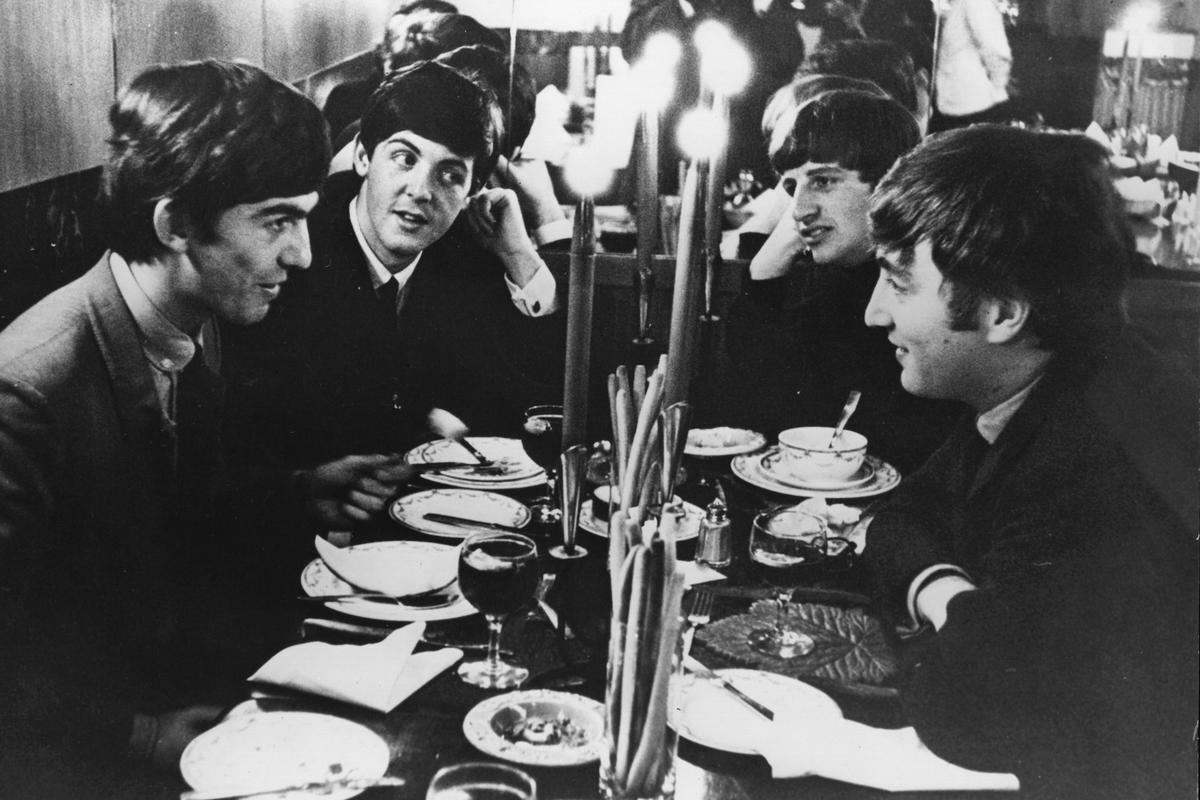
The Beatles, a band that formed in 1960 and disbanded in 1970, managed to revolutionize the music industry in just a decade. Despite releasing only 13 albums, each album showcased the band's evolution and groundbreaking work. Among their albums, "A Hard Day's Night" stands out for its unique sound and songwriting talent, setting the Beatles apart from other rock 'n' roll bands of the '60s.
Moving forward to 1966, the Beatles released "Revolver," which marked a significant shift in their musical approach. The album explored mature themes and experimented with innovative recording techniques, setting the stage for future music genres. Each band member's distinct personality shone through in the album, highlighting their individual contributions to the Beatles' sound.
In 1967, the Beatles released "Sgt. Pepper's Lonely Hearts Club Band," considered one of the earliest concept albums. The album embraced psychedelic elements and showcased the band's artistic and experimental side. Despite the album's mystical and weird undertones, the Beatles maintained a strong sense of teamwork, creating a musical masterpiece that signaled a shift in rock music.
By 1969, the Beatles faced internal struggles but managed to produce "Abbey Road," a more simplified album that focused on their songwriting prowess. The album received mixed reviews initially but went on to top the charts in the U.S. and the U.K. "Abbey Road" highlighted the band's versatility, featuring lighthearted tracks like "Octopus's Garden" and romantic ballads like "Something," showcasing the Beatles' professional growth over the years.
In conclusion, the Beatles' discography tells a compelling story of a band that defied norms and pushed musical boundaries in a relatively short span of time. Their albums continue to resonate with audiences worldwide, solidifying their legacy as one of the greatest bands in music history.