Uncovering the Truth: Soldiers Speak Out on Combat Injuries During Conflict with Iran
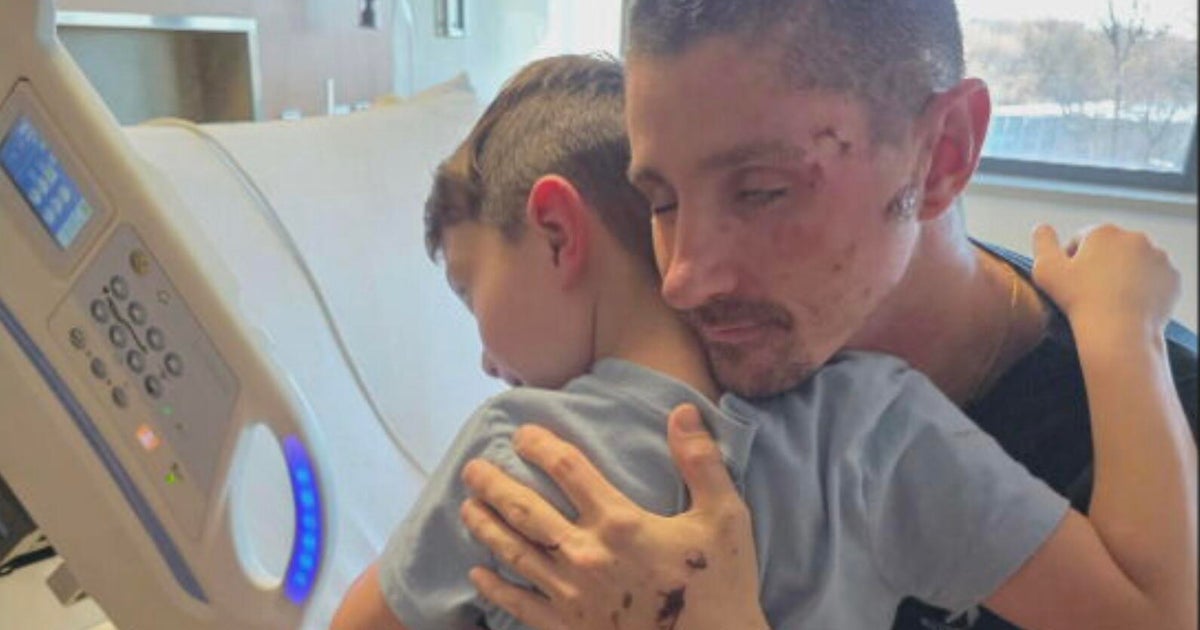
When Defense Secretary Pete Hegseth provided information about the injuries sustained by American service members during the conflict with Iran, he mentioned that nearly 90% of the 400 injured soldiers had minor injuries and had returned to duty. However, some of the wounded soldiers have revealed that their injuries were more severe than what the military had classified them as. Chief Warrant Officer Rodney Bearman was injured in a drone attack in Kuwait, suffering from shrapnel wounds, a concussion, hearing and vision loss, and lung damage. Despite these serious injuries, the Army labeled his condition as "not seriously injured," which his wife, Amy Bearman, found unacceptable.
Chief Bearman was one of over 20 individuals injured in the deadliest attack on American soldiers during the conflict with Iran. Several survivors and their families have expressed confusion over the military's treatment of them as combat casualties. In some cases, injured service members were cleared for duty but were placed in specialized soldier recovery units for recuperation, which the Army does not count as returning to duty. Sergeant First Class Cory Hicks, who suffered severe shrapnel wounds in the same attack, underwent multiple surgeries and was also told his injuries were minor, leading him to believe that the Army and the Pentagon were downplaying the incident.
The Army has strongly denied allegations of downplaying injuries and combat casualties, stating that the designations of "not seriously injured" and "combat casualty" have specific definitions that may be misunderstood by families. According to Army protocols, a soldier classified as "seriously injured" or "very seriously injured" is at risk of dying within 72 hours of sustaining their wounds. Amy Bearman received a call informing her that her husband's injuries were classified as "not seriously injured" after the drone attack, but his injuries turned out to be more severe than initially indicated.
Following the attack on Port of Shuaiba, where six U.S. soldiers were killed, an investigation revealed that there were warnings about force protection ahead of the strike. Soldiers felt unprotected from the drone attack despite intelligence indicating that Iran was targeting their position. Requests for more medical resources before the strike were made to leadership, emphasizing the need for additional medical personnel and supplies. Major Stephen Ramsbottom believed that more resources could have saved Master Sergeant Nicole Amor, one of the soldiers killed in the attack. Witnesses reported that soldiers had to improvise medical care with makeshift supplies and transport the wounded to local hospitals in civilian vehicles.
Despite doctors recommending that Bearman remain in the hospital in Kuwait for a longer period, the Army evacuated him due to security concerns. An investigation into the attack has been completed, with findings set to be released after briefing the next of kin. Amy Bearman hopes that an honest assessment by the Army will prevent similar incidents from occurring in the future. Hicks was airlifted to Landstuhl Medical Center in Germany and then to Walter Reed National Military Medical Center in Maryland for further treatment. He remains in a soldier recovery unit at Walter Reed with a traumatic brain injury and expects to stay there for the next six months.
Chief Bearman returned to the U.S. on March 18 with lingering injuries from the attack, including shrapnel throughout his body. The Army spokesperson declined to comment on the specifics of Hicks' case but assured that he received the necessary care and treatment in theater before being evacuated for higher-level care. The soldiers and their families continue to seek transparency and proper recognition of the severity of their injuries sustained during the conflict with Iran.