Exploring the Legacy of Peter Jackson's 'The Lord of the Rings' Films: A Debate on Adaptations and Interpretations
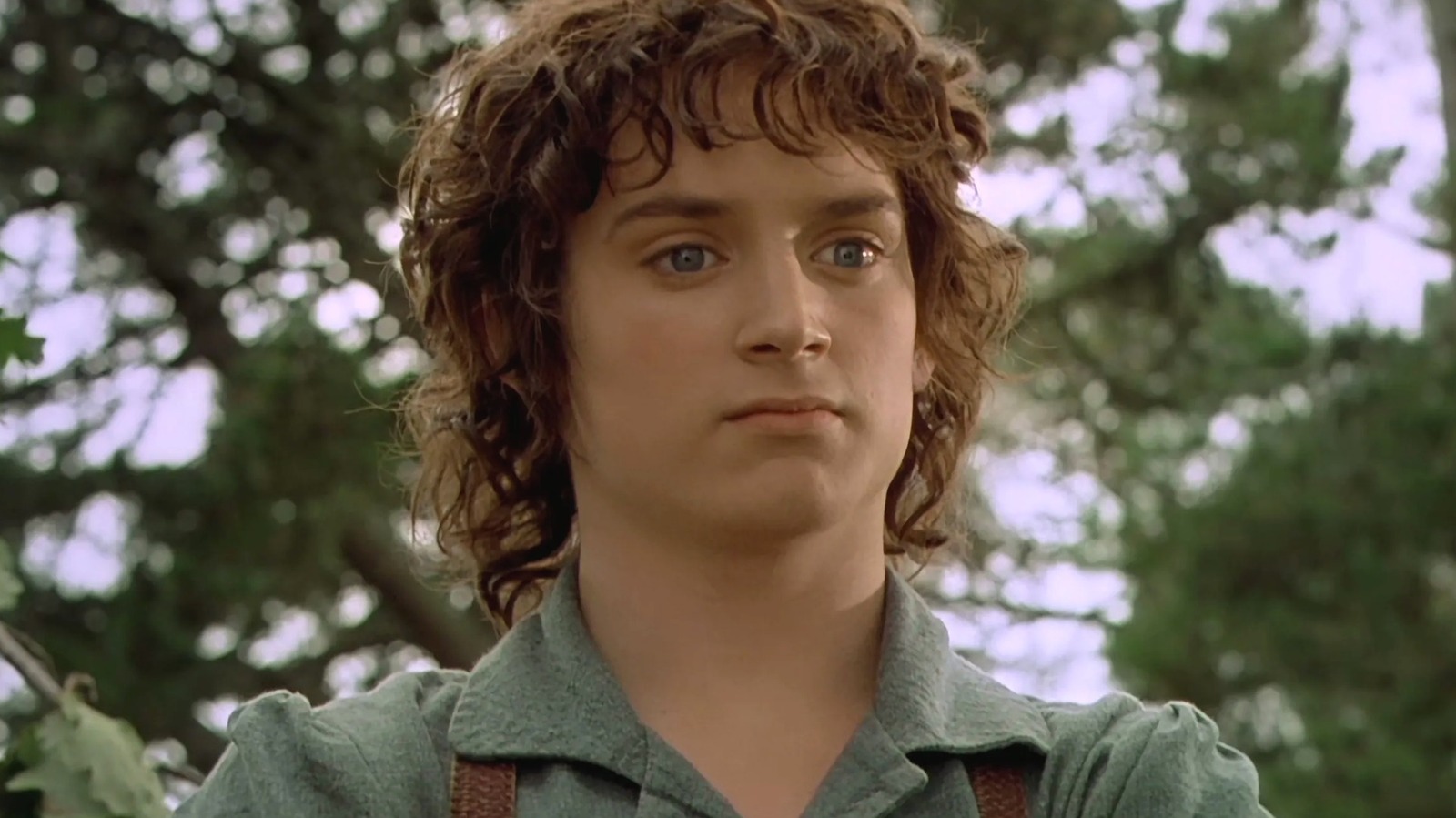
Peter Jackson's film adaptations of J.R.R. Tolkien's "The Lord of the Rings" trilogy are widely praised for their ambitious and captivating storytelling. The movies, starting with "The Fellowship of the Ring," showcase Jackson's deep passion for the source material. While Amazon's upcoming series, "The Rings of Power," offers a fresh take on Tolkien's world, there were discussions about involving Jackson in the project that ultimately did not materialize due to various legal and creative considerations.
Christopher Tolkien, the late son of J.R.R. Tolkien and a key figure in preserving his father's literary legacy, had a critical view of Jackson's film trilogy. He expressed concerns about the commercialization and perceived simplification of the complex themes in "The Lord of the Rings" for a younger audience. However, the widespread appeal of the movies, particularly among younger viewers, has introduced Tolkien's work to a new generation and sparked interest in the original books.
Christopher Tolkien's meticulous editing and preservation of his father's writings, including "The Silmarillion" and "The History of Middle-Earth," highlight his deep connection to Tolkien's world. While he may have had reservations about the cinematic adaptations, the challenge of condensing Tolkien's vast and intricate universe into a film format is a daunting task that Jackson managed to accomplish successfully, albeit with some creative liberties.
Simon Tolkien, Christopher's son and a consultant for Amazon's "The Rings of Power," offered a more positive perspective on Jackson's films in contrast to his father's criticism. He acknowledged the impact of the movies on popular culture and emphasized the coexistence of different interpretations of Tolkien's work. Both Jackson's films and Amazon's series have their own merits and contribute to the enduring legacy of Tolkien's storytelling.
In conclusion, the debate surrounding Peter Jackson's adaptations of J.R.R. Tolkien's "The Lord of the Rings" reflects the complexity of translating literary masterpieces to the screen. While there may be differing opinions on the fidelity of the films to the source material, the enduring popularity and cultural significance of Tolkien's works ensure that multiple interpretations can thrive alongside each other, enriching the overall experience for fans and newcomers alike.