From THX 1138 to Star Wars: The Evolution of George Lucas's Cinematic Universe
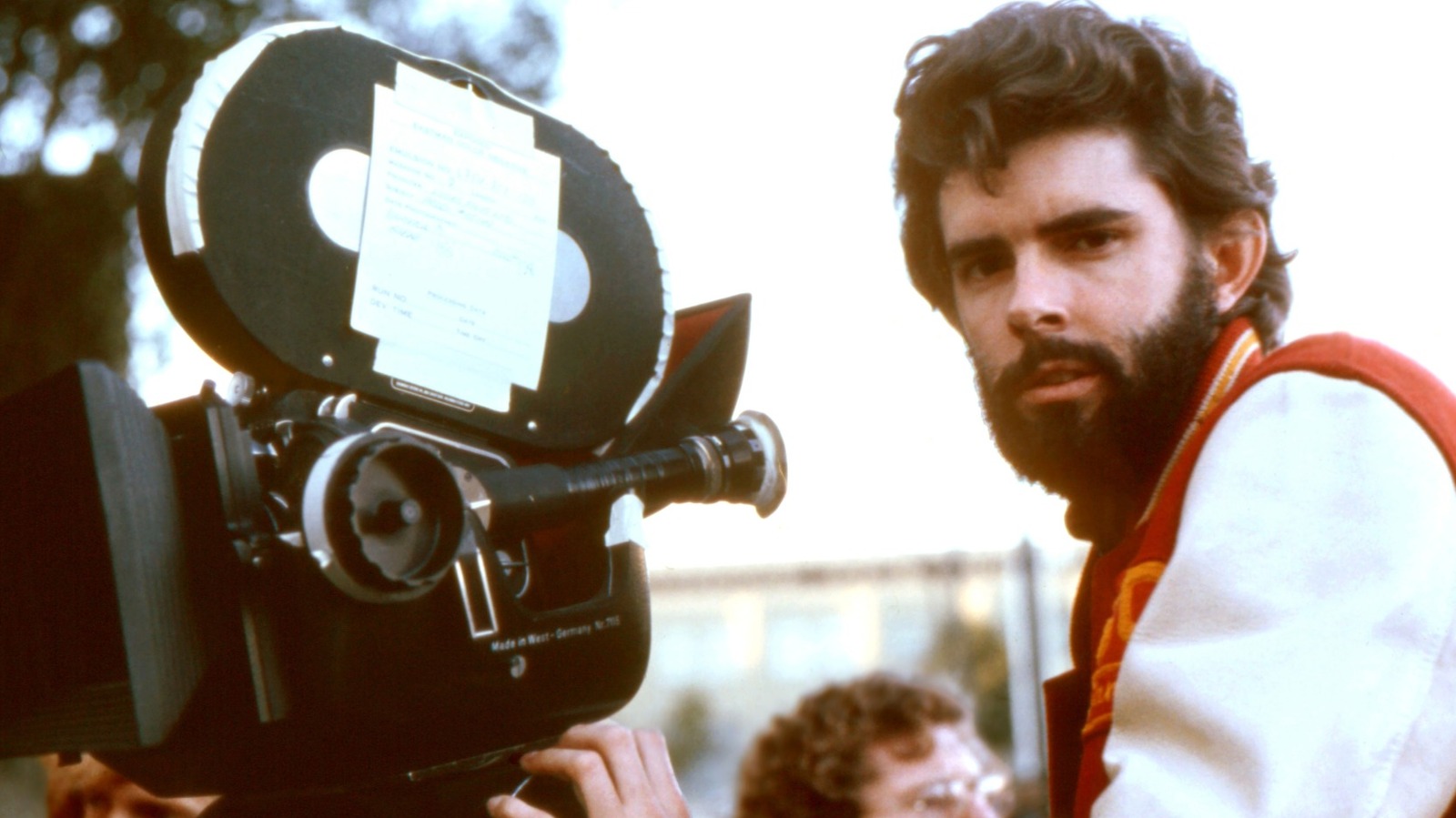
George Lucas, a USC film school graduate, and Francis Ford Coppola ventured into the film industry by establishing the independent production company American Zoetrope in 1969. Through a distribution deal with Warner Bros., Lucas expanded his student film "Electronic Labyrinth: THX 1138 4EB" into a feature film titled "THX 1138." Despite its initial failure, this sci-fi movie laid the groundwork for Lucas's future endeavors.
"THX 1138," released in 1971 when Lucas was only 27, is set in a dystopian future where emotions are suppressed, and individual expression is forbidden. The story follows THX 1138 and LUH 3417, who defy societal norms and fall in love, attracting unwanted attention from the android police.
The film's bleak portrayal of the future resonated with the sense of dread prevalent in the 1970s, but Warner Bros. executives were unimpressed, leading to the termination of their deal with American Zoetrope. Lucas then shifted his focus to "American Graffiti" and later to the groundbreaking "Star Wars," which offered audiences a much-needed escape from reality.
"Star Wars," released in 1977, revolutionized the film industry by introducing an optimistic sci-fi universe that captivated audiences seeking relief from the challenges of the era. The success of "Star Wars" marked a shift in Hollywood towards big-budget blockbusters, setting a new standard for cinematic storytelling.
Despite their apparent differences, "THX 1138" and "Star Wars" share common themes and elements. The evolution from the chilling "shell dwellers" in "THX 1138" to the endearing Ewoks in "Return of the Jedi" showcases Lucas's ability to blend dark and light elements in his storytelling. The futuristic architecture and themes of rebellion against tyranny are recurring motifs that connect both projects.
As the "Star Wars" saga expanded into darker territories with films like "The Empire Strikes Back" and the TV series "Andor," the underlying themes of individual heroism and collective resistance remained central to Lucas's storytelling. The enduring legacy of "Star Wars" continues to inspire audiences worldwide, cementing George Lucas's status as a visionary filmmaker.