Kevin Warsh's Vision for the Federal Reserve: Reform, Transparency, and Core Mandates
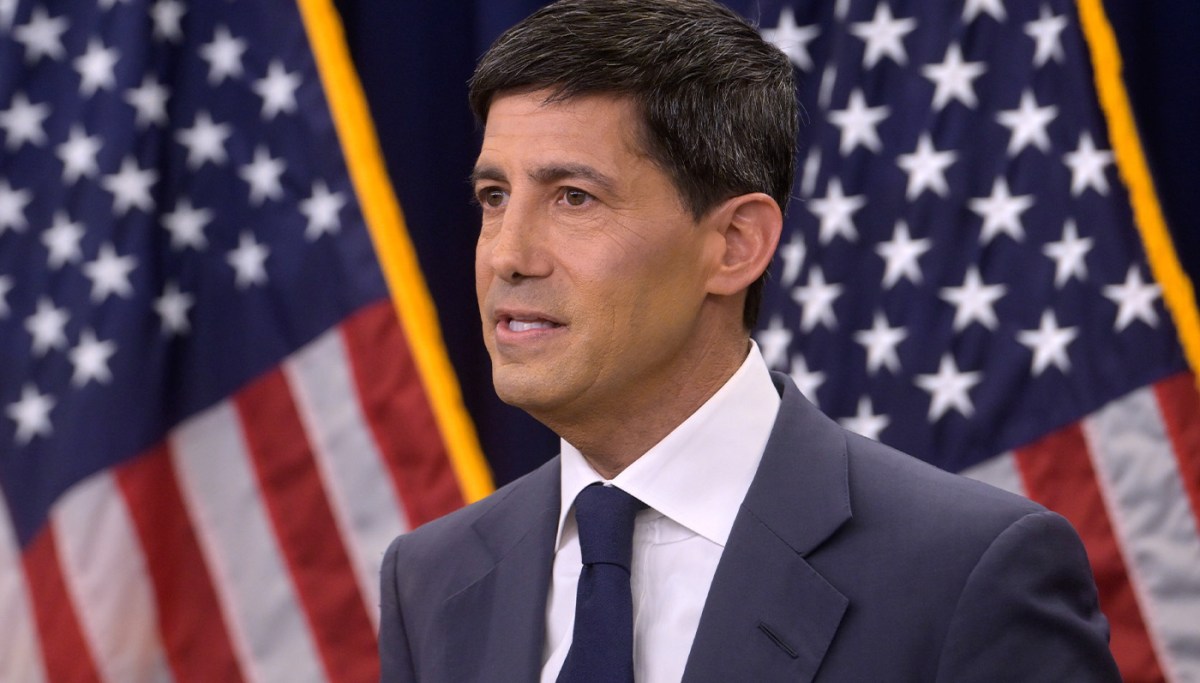
Kevin Warsh, the new Federal Reserve chairman, has signaled a shift in focus from the policies of his predecessor, Alan Greenspan. Warsh aims to address the current cost-of-living crisis and streamline the bureaucracy that has accumulated at the Fed over the past two decades.
Warsh's recent press conference highlighted his commitment to reforming the Fed and returning to its core mandates of price stability, maximum employment, and moderation of long-term interest rates. He has initiated five new task forces to address various issues plaguing the central bank, such as the balance sheet, communication strategies, inflation frameworks, data sources, and productivity and jobs.
One of the key changes Warsh is implementing is a departure from the traditional forward guidance approach favored by previous Fed chairs. He believes that markets function best when responding to actual economic data rather than trying to decipher the Fed's intentions. By reducing uncertainty and increasing transparency, Warsh aims to restore credibility to the Fed's decision-making process.
Another crucial reform on Warsh's agenda is the reduction of the Fed's balance sheet, which has ballooned to nearly $9 trillion. He argues that the Fed's massive bond purchases have contributed to inflation and that shrinking the balance sheet will help alleviate this issue. Warsh acknowledges the complexity of unwinding the balance sheet but is committed to addressing the problem gradually.
Warsh's approach reflects a departure from the inflation-unemployment trade-off paradigm that has guided monetary policy for decades. He rejects the Phillips Curve theory and emphasizes that inflation is a monetary phenomenon that can be controlled through sound policy decisions. By learning from the mistakes of past Fed chairs and focusing on core principles, Warsh aims to steer the central bank in a new direction.
In conclusion, Kevin Warsh's tenure as Federal Reserve chairman marks a significant departure from the policies of his predecessors. With a focus on reform, transparency, and a return to core mandates, Warsh is poised to lead the Fed through a period of change and restore confidence in its decision-making process. By addressing key issues such as the balance sheet, communication strategies, and inflation frameworks, Warsh aims to set the central bank on a path towards stability and effectiveness.