Maxwell's Silver Hammer: The Controversial Track That Exemplified The Beatles' Tensions During the Abbey Road Sessions
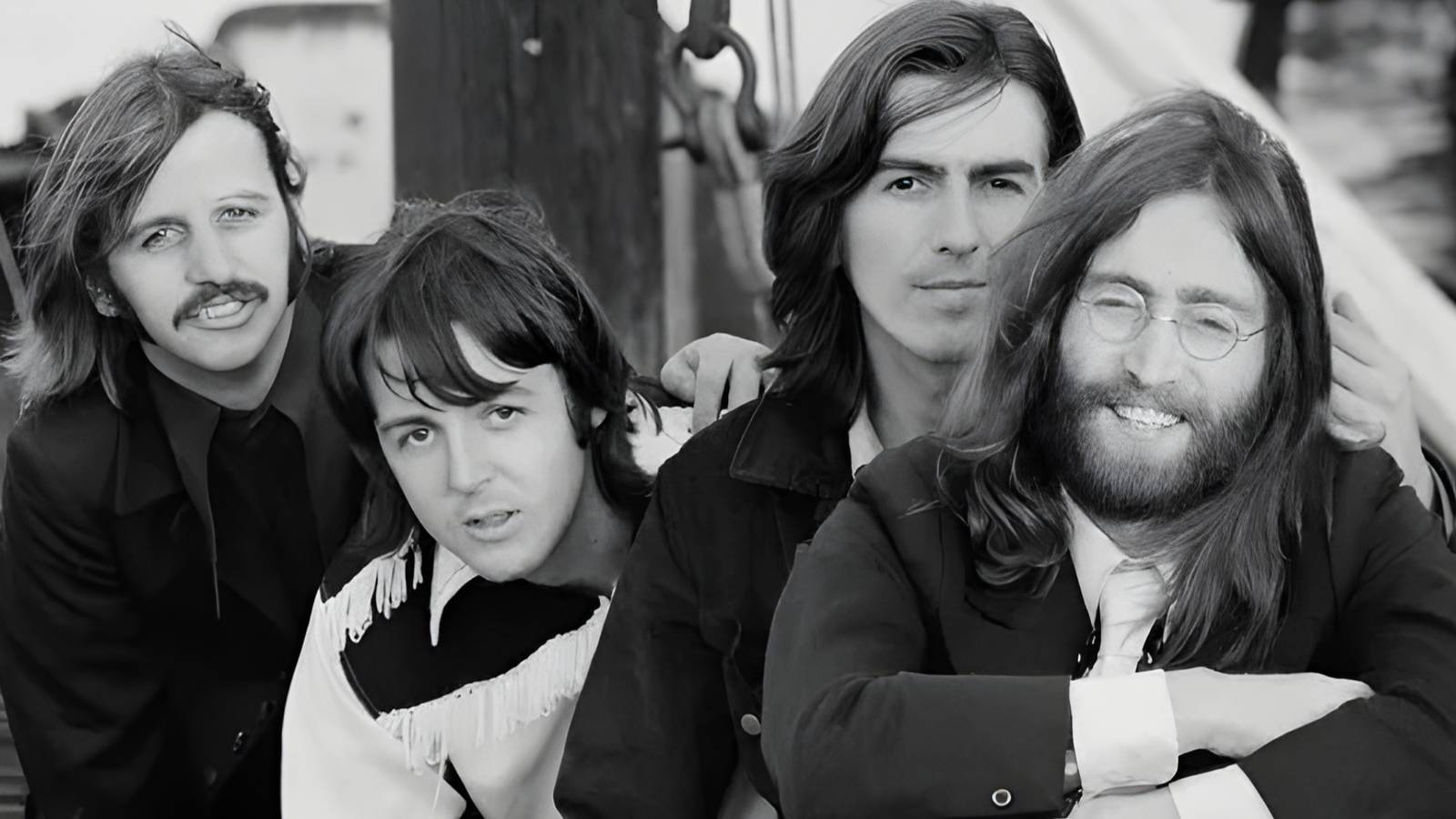
In 1969, The Beatles were facing personal tensions despite being at their creative peak while recording Abbey Road. The strained relationships stemmed from the Let It Be sessions earlier that year, which were marred by conflict and George Harrison briefly quitting the band. The recording of Paul McCartney's track "Maxwell's Silver Hammer" during the Abbey Road sessions was particularly contentious, as McCartney's perfectionism clashed with his bandmates' dislike for the song.
As the band wrapped up their projects in 1969, tensions continued to rise, exacerbated by Yoko Ono's presence in the studio and George Harrison's struggle to have his voice heard. Despite finishing the Let It Be sessions by late January, The Beatles decided to start a new project and enlisted their producer George Martin to return to a more traditional recording process for their upcoming album.
While working on the Abbey Road album, the band experienced moments of camaraderie, such as recording the single "The Ballad of John and Yoko" together. However, disagreements resurfaced, especially when McCartney pushed for the inclusion of "Maxwell's Silver Hammer," a song that none of his bandmates liked. The recording process for the track was described as painstaking and frustrating by the other Beatles, with Ringo Starr calling it the worst session they ever had.
The band members, including John Lennon and George Harrison, expressed their disdain for "Maxwell's Silver Hammer," criticizing McCartney's perfectionism and the excessive time spent on the song. Despite McCartney's undeniable talent, the track's dark lyrics and upbeat melody did not resonate with the band or fans. In retrospect, the inclusion of the controversial song on Abbey Road remains a point of contention among Beatles enthusiasts.
In conclusion, the recording of "Maxwell's Silver Hammer" during The Beatles' Abbey Road sessions exemplifies the creative tensions and personal conflicts that plagued the band in 1969. McCartney's insistence on the song's inclusion, despite his bandmates' disapproval, highlights the challenges they faced during their final year as an active band. The discord surrounding the track serves as a reminder of the complexities and dynamics within one of the most iconic bands in music history.