State Regulations on Pharmacy Benefit Managers: Promoting Transparency and Fair Drug Pricing
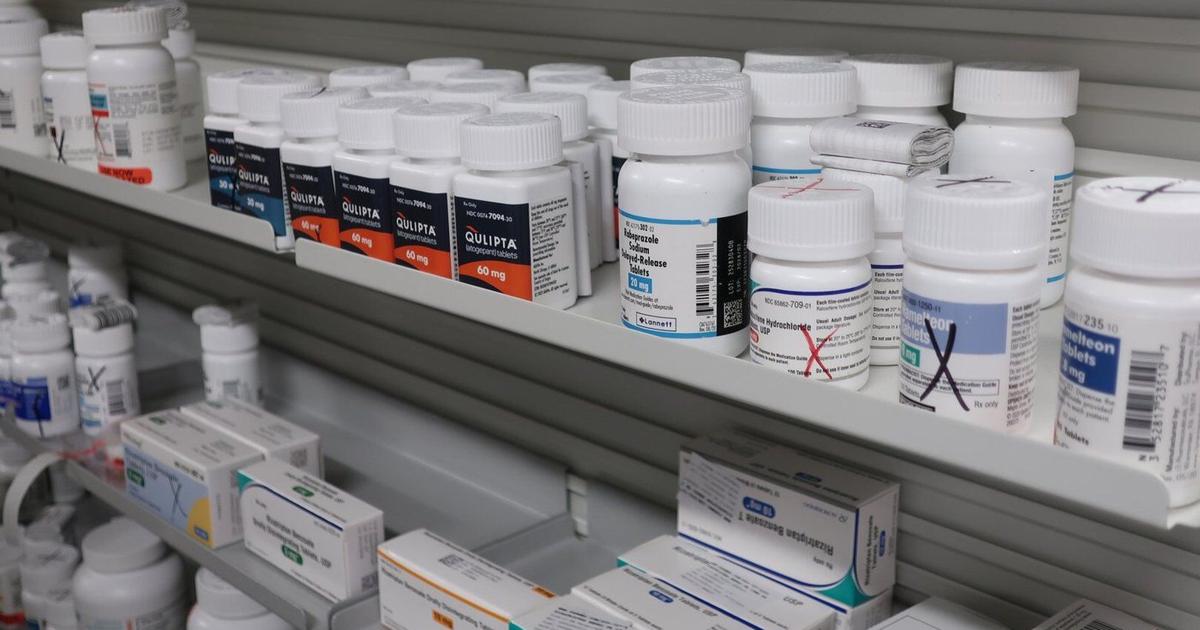
States across the country are taking action to address the rising concerns of consumers regarding medication costs. One approach being adopted is the regulation of pharmacy benefit managers (PBMs), which are large companies that manage prescription coverage for health insurers. These PBMs also have ownership of pharmacies, with CVS being a prominent example. CVS has been actively opposing the regulations, investing significant amounts of money in their efforts to resist the changes.
The regulations being implemented by states aim to increase transparency and accountability in the pharmaceutical industry. By scrutinizing the practices of PBMs, states hope to create a more competitive market that ultimately benefits consumers. The focus is on ensuring that drug prices are fair and reasonable, and that PBMs are not engaging in practices that could drive up costs for patients.
One of the key issues at the center of the debate is the potential conflict of interest that arises when PBMs have ownership of pharmacies. Critics argue that this arrangement could lead to anti-competitive behavior and inflated drug prices. By imposing regulations on PBMs, states are seeking to address these concerns and promote a more equitable healthcare system that prioritizes the needs of patients.
The battle between states and PBMs is ongoing, with both sides presenting their arguments and advocating for their respective positions. While PBMs are pushing back against the regulations, states are determined to protect consumers and ensure that they have access to affordable medications. The outcome of this conflict will have significant implications for the future of healthcare in the United States.
In conclusion, the efforts of states to regulate pharmacy benefit managers reflect a broader commitment to addressing the challenges faced by consumers in accessing affordable medications. By holding PBMs accountable and promoting transparency in the pharmaceutical industry, states are working to create a more equitable healthcare system that prioritizes the well-being of patients. The ongoing debate between states and PBMs underscores the importance of ensuring that drug prices remain fair and reasonable for all individuals.