Exploring Scorsese's Iconic 'Mean Streets' and Its Lasting Impact on Cinema
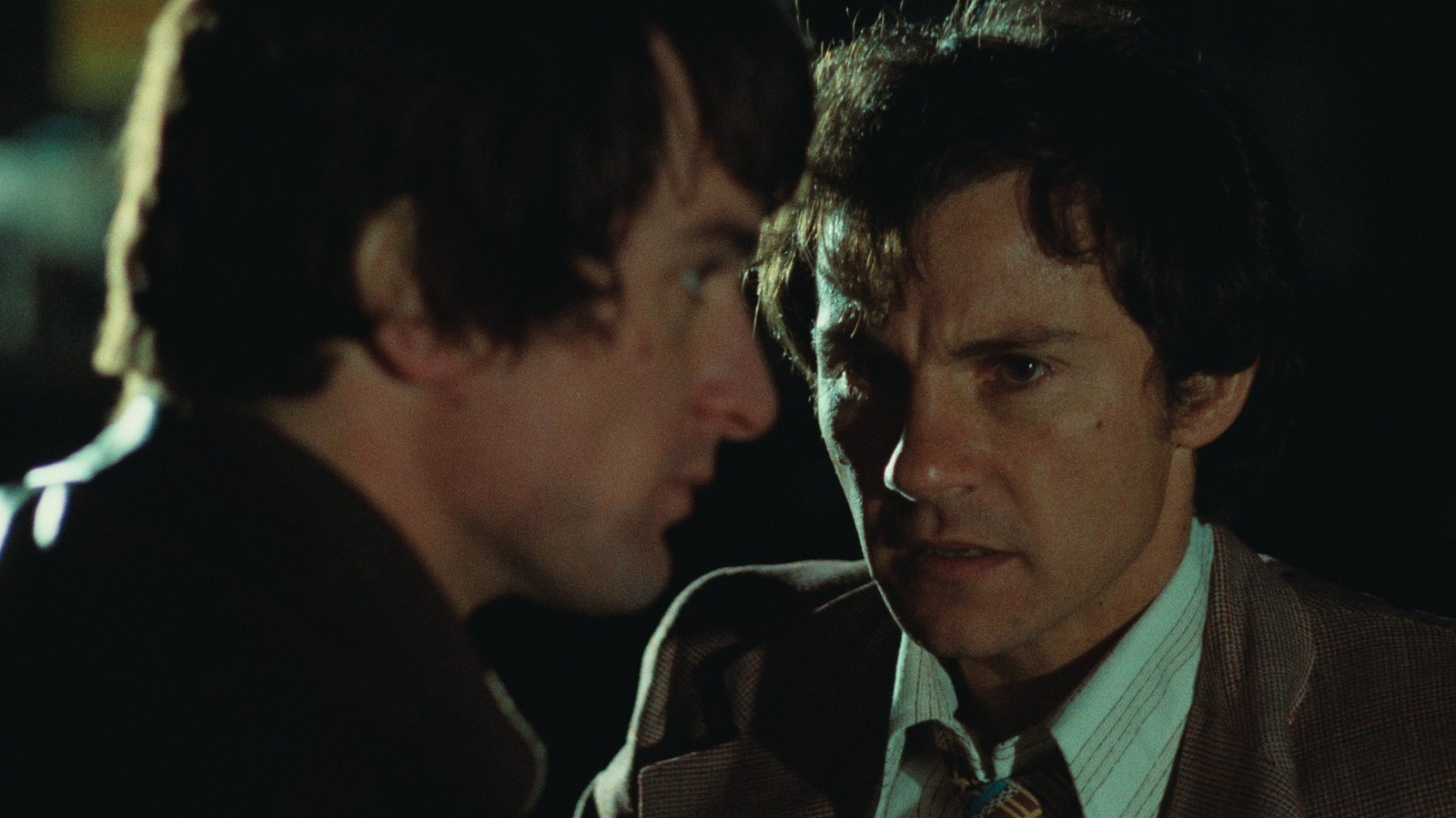
Martin Scorsese, a renowned director, started his career with low-budget films like "Who's That Knocking at My Door?" and "Boxcar Bertha" before making his mark with the iconic movie "Mean Streets" in 1973. The film follows the story of Charlie Cappa and his friend Johnny Boy in New York City's Little Italy, exploring themes of Catholic guilt, violence, and the immigrant experience. Scorsese's signature style, including dynamic camera work, dramatic lighting, and a rock-and-roll soundtrack, was evident in this film, setting the stage for his future masterpieces.
"Mean Streets" marked the beginning of Scorsese's collaboration with Robert De Niro, who became a frequent collaborator in many of his acclaimed films. The movie's success paved the way for Scorsese to establish himself as one of the best American directors of his generation, with titles like "Taxi Driver," "Raging Bull," and "GoodFellas" solidifying his reputation as a master filmmaker. His later works, such as "The Departed," "Silence," "The Irishman," and "Killers of the Flower Moon," continued to showcase his versatility and storytelling prowess.
Despite being one of Scorsese's early works, "Mean Streets" has stood the test of time and remains a classic in the crime genre. The recent Criterion 4K release allows new audiences to appreciate the film's vibrant visuals and bold style, highlighting its enduring impact on cinema. Scorsese's legacy as a visionary director is evident in the lasting influence of "Mean Streets" and his subsequent groundbreaking films.