The Equal Rights Amendment (ERA): A Journey Towards Gender Equality
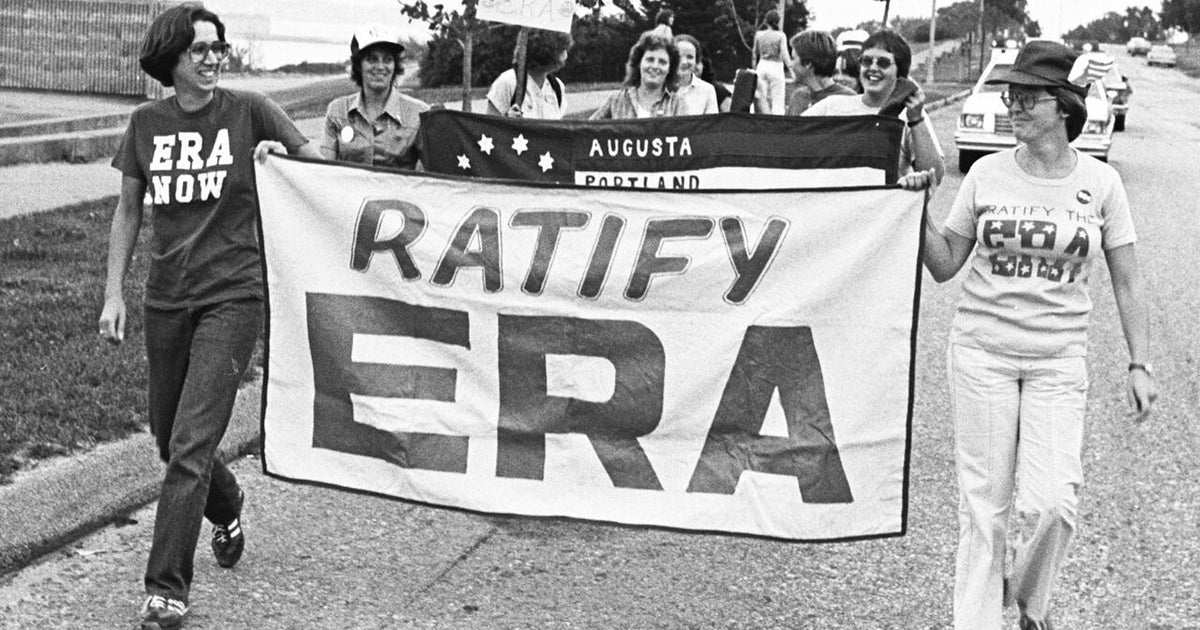
The Equal Rights Amendment (ERA) is a concise statement that emphasizes equality under the law without discrimination based on sex. The amendment was championed by Alice Paul, a key figure in the women's suffrage movement. Despite its simple wording, the ERA faced significant opposition, notably from conservative activist Phyllis Schlafly, who argued that women's ambitions were best directed towards family life.
The ERA was first introduced in 1923 and finally passed in 1972 after a long and arduous battle. However, the ratification process proved challenging, with the deadline set until 1982. Despite falling short of the required 38 states for ratification, the ERA has had a lasting impact on societal norms and opportunities for women.
Letty Cottin Pogrebin, a prominent feminist writer and co-founder of Ms. Magazine, reflects on the progress made since the ERA's inception. She highlights the shift in societal expectations and opportunities for women, comparing her own experiences to those of her daughter and granddaughter. While progress has been made, the fight for gender equality continues.
In 2020, Virginia became the 38th state to ratify the ERA, marking a significant milestone. However, the deadline for ratification had long passed, leaving the constitutional guarantee of gender equality unresolved. As debates resurface on issues like reproductive rights, equal pay, and military service, the need for a formal recognition of women's rights remains a pressing concern.
The journey of the ERA reflects the ongoing struggle for gender equality and the evolving roles and expectations of women in society. While progress has been made, there is still work to be done to ensure equal rights and opportunities for all individuals, regardless of gender.