Venezuela Earthquake Rescue Efforts: International Aid and Challenges Ahead
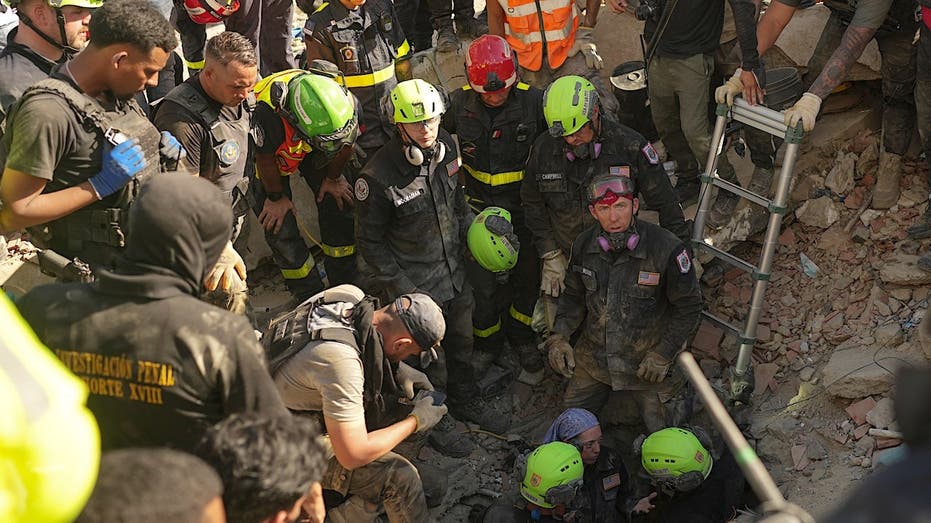
Venezuela's interim president announced that 33 people were rescued after the recent twin earthquakes, with many still missing. The death toll surpassed 1,400, prompting the arrival of over 1,600 foreign rescue workers in La Guaira, the worst-hit state. Families and volunteers worked tirelessly to find survivors and bodies before the foreign teams arrived.
The government, led by interim President Delcy Rodriguez, expressed gratitude to civilian volunteers but restricted access to the roads to ensure efficient movement of emergency vehicles. Despite the government reporting hundreds missing, nearly 50,000 people were unaccounted for according to a website promoted by the opposition. The U.S. Geological Survey estimated a potential death toll of over 10,000 from the powerful earthquakes.
Rescue operations faced a time constraint, with a 72-hour window considered critical for finding survivors alive. International rescue teams, like the Swiss team, utilized search dogs to locate people in the rubble. The clock was ticking as the teams raced against time to save lives. The U.S. State Department and Colombian and Mexican rescue teams successfully rescued children trapped in the debris.
The international community, including the EU and the U.S., mobilized aid and financial assistance for Venezuela. The disaster could have political implications for interim President Rodriguez, who has been leading the response efforts. Power was gradually being restored in the region, with Venezuela's power grid facing challenges due to underinvestment and sanctions. The aftermath of the earthquakes highlighted the urgent need for support and recovery efforts in the affected areas.