Magistrate Condemns Neo-Nazi Thomas Sewell's Racist Protest Outside Chinese Consulate
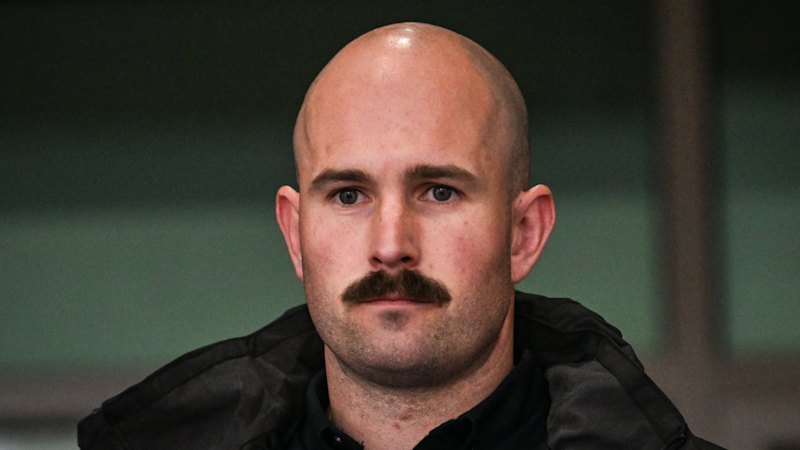
Thomas Sewell, a neo-Nazi and aspiring politician, faced criticism and a stern rebuke from Magistrate Patrick Southey for his involvement in a racist protest outside the Chinese consulate. Sewell, who is originally from New Zealand, led a group of masked neo-Nazis in chanting derogatory slogans and racial abuse outside the Toorak consulate, prompting the magistrate to express his disappointment and wish for stronger penalties.
The magistrate emphasized Sewell's status as an immigrant and highlighted the irony of his anti-immigrant sentiments while engaging in discriminatory behavior towards others. Despite Sewell's background, the magistrate found his actions unacceptable and expressed a desire to impose harsher penalties on the offender for his involvement in the racist protest.
Sewell's participation in the protest, which included chanting "white man fight back" and directing racial abuse towards individuals outside the Chinese consulate, drew widespread condemnation and sparked concerns about the rise of hate speech and extremist ideologies in society. The magistrate's response underscored the seriousness of Sewell's actions and the need to address such behavior to prevent further incidents of discrimination and intolerance.
The incident involving Thomas Sewell and his group of masked neo-Nazis outside the Chinese consulate serves as a stark reminder of the ongoing challenges posed by hate speech and extremist ideologies in society. The magistrate's rebuke and call for stronger penalties highlight the importance of addressing such behavior and promoting tolerance and respect for all individuals, regardless of their background or beliefs.
In conclusion, the racist protest led by Thomas Sewell outside the Chinese consulate and the subsequent criticism from Magistrate Patrick Southey underscore the need to combat hate speech and extremist ideologies in society. It is essential to promote inclusivity, tolerance, and respect for all individuals to prevent further incidents of discrimination and intolerance.