North Carolina Sports Betting: Impact on UNC, NC State, and Public HBCUs
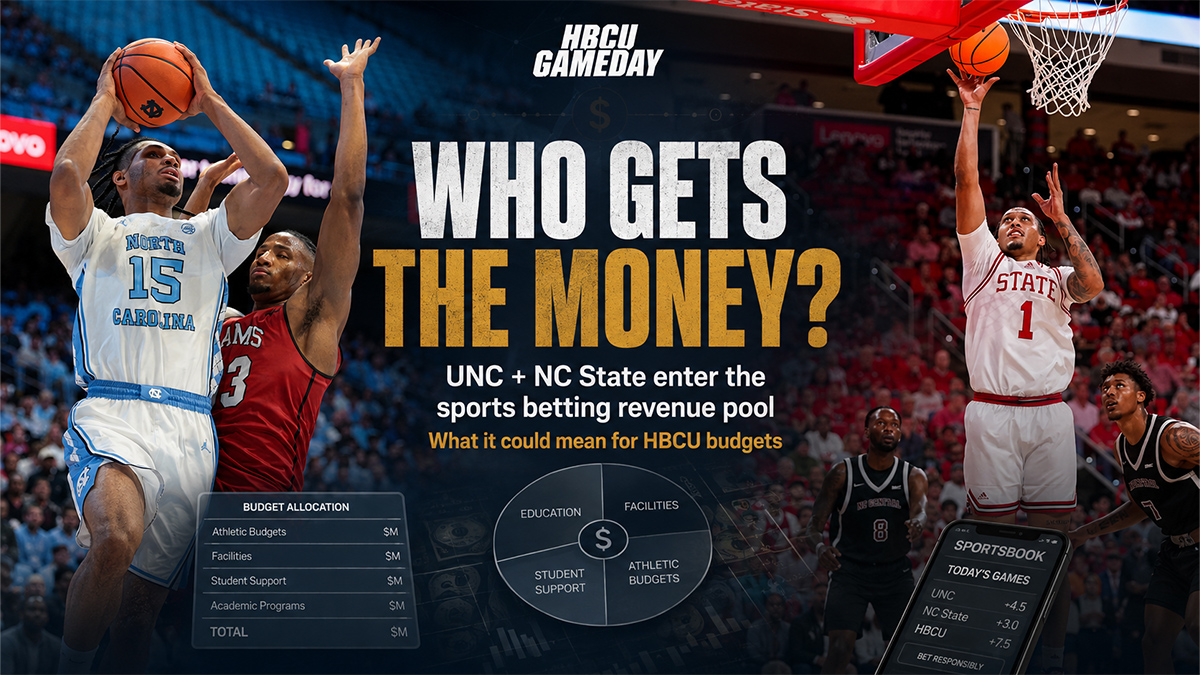
North Carolina sports betting is undergoing changes that could impact the financial landscape for UNC and NC State, with potential implications for public HBCUs in the state. A proposed state budget amendment aims to increase the tax rate on online sportsbooks from 18 percent to 23 percent, while also including UNC and NC State in the revenue distribution pool. Previously excluded from the revenue share when legal sports wagering began in 2024, these universities could now stand to gain millions from a funding source intended to support smaller athletic departments.
This shift in funding allocation is particularly significant for five public HBCUs in North Carolina: North Carolina A&T, North Carolina Central, Elizabeth City State, Fayetteville State, and Winston-Salem State. These institutions already receive sports betting tax revenue, which is crucial for their operational needs and athletic programs.
Initially, the sports betting revenue was directed to 13 UNC System athletic departments, including all five public HBCUs and several regional universities, while excluding UNC and NC State due to their larger revenue streams. The aim was to provide financial support to schools that required it the most, resulting in a substantial influx of funds for the eligible universities after the launch of sports betting in March 2024.
At North Carolina A&T, the funding was utilized to enhance student-athlete support services, such as trainers, strength coaches, nutritionists, and mental health experts. Similarly, Winston-Salem State utilized the funds for facility upgrades, demonstrating the tangible impact of this additional revenue on HBCU athletic programs.
The proposed increase in the tax rate to 23 percent and the revised distribution model could further benefit Division I schools in the UNC System, including North Carolina A&T and North Carolina Central, as well as all five public HBCUs. While FBS schools are set to receive additional funding starting in 2027, the new formula involving UNC and NC State will play a crucial role in determining the future financial landscape for HBCUs.
The potential implications of the revised funding model extend beyond financial support for scholarships, travel, training, recruiting, facilities, and staffing. It also raises important policy questions regarding the equitable distribution of funds to ensure that HBCUs continue to receive the support they need.
In conclusion, the evolving landscape of sports betting revenue in North Carolina presents both opportunities and challenges for UNC, NC State, and public HBCUs. The decision on how to allocate these funds will not only impact the financial stability of these institutions but also determine the level of support available for their athletic programs. It is essential to strike a balance that benefits all stakeholders and upholds the original intent of supporting schools in need.