State Auditor's Office Influence on North Carolina County Early Voting Plans: Impact and Controversy
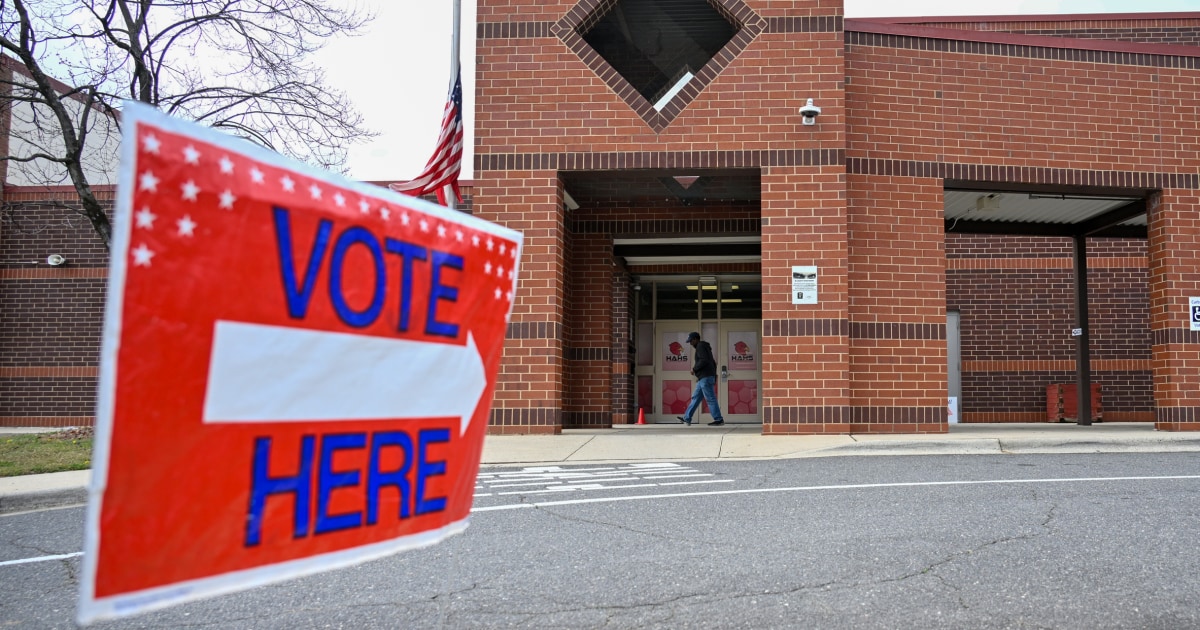
County officials in North Carolina are currently working on their early voting plans for the upcoming midterm elections. This year, they are facing a new challenge as the state auditor, Dave Boliek, has become a significant player in the process. Following a change in legislation after the 2024 election, Boliek was given authority over the State Board of Elections, which has led to his office getting involved in county-level election planning. Boliek and his team are reviewing and providing feedback on counties' early voting plans for the November general election, which has raised concerns among voting rights advocates and Democrats.
The state auditor's office has been requesting information from county officials and offering suggestions for changes to early voting plans. This level of involvement from the auditor's office has been deemed unusual by advocates and some State Elections Board members. The influence of the auditor's office in shaping early voting plans has sparked criticism, with some arguing that it exceeds the office's designated authorities and could potentially benefit the GOP in the state.
Early voting locations play a crucial role in voter turnout, especially in competitive general elections. Studies have shown that proximity to early voting sites can impact voter participation. The decisions made regarding early voting locations can have a significant effect on voter engagement and accessibility.
In response to requests from the auditor's office, county Elections Boards have been considering adding new polling sites and adjusting voting hours. The auditor's office has emphasized the importance of geographic diversity in early voting options to make access easier for voters. However, some county officials have faced pressure from state officials regarding their voting decisions, leading to concerns about political interference in the election planning process.
Despite the criticism and concerns raised by advocates and Democrats, Boliek defended his office's actions, attributing the backlash to partisanship. The involvement of the auditor's office in shaping early voting plans has sparked a debate about the appropriate role of the state auditor in election planning and decision-making.
In conclusion, the increased involvement of the state auditor's office in county-level election planning in North Carolina has raised questions about the boundaries of the auditor's authority and the potential impact on the electoral process. The ongoing discussions and decisions regarding early voting locations highlight the importance of ensuring fair and accessible voting opportunities for all residents.