Leonard Cohen's 'Hallelujah' Performance at Trump Rally Sparks Controversy and Estate Objections
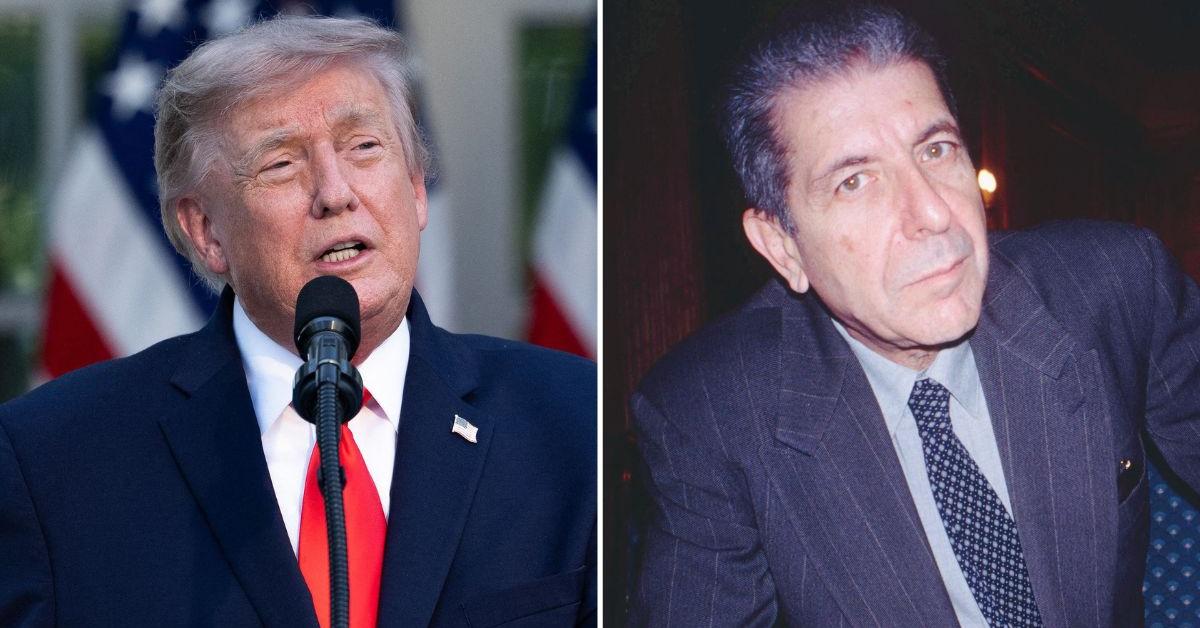
Leonard Cohen's iconic song "Hallelujah" was performed at a rally headlined by President Donald Trump on June 24, despite objections from Cohen's estate. The estate made it clear on Facebook that they did not authorize the use of the song at the Freedom 250 rally in Washington. Christopher Macchio went ahead with the performance of "Hallelujah" at the event, which also featured Lee Greenwood and a B2 bomber flyover.
The late singer's estate expressed their disapproval of the song's use at the rally, stating that they do not support or approve of such usage. Leonard Cohen, known for songs like "Suzanne" and "Bird on the Wire," passed away in 2016, leaving behind a legacy that includes the widely recognized "Hallelujah." The song has been covered by numerous artists and is often seen as a spiritual piece rather than a political anthem.
Media analyst Dr. Lillian Glass highlighted the mismatch between Cohen's artistic identity and the political context in which his song was performed. She emphasized that Cohen's work was centered around themes of love and introspection, making it an ill-suited choice for a political rally. The objection to the song's use at the event added to the controversy surrounding the rally, which had already seen several performers withdraw due to its political nature.
The Trump administration has faced criticism in the past for unauthorized use of music at events. Artists like Neil Young and Sabrina Carpenter have spoken out against the administration for using their songs without permission. Sabrina Carpenter condemned the use of her music in an Immigration and Customs Enforcement (ICE) video, calling it "evil and disgusting." Similarly, Ariana Grande expressed her disapproval of her music being associated with what she described as "barbaric, inhumane, heinous nonsense" related to ICE.
In conclusion, the performance of Leonard Cohen's "Hallelujah" at a rally headlined by President Donald Trump sparked controversy and objections from Cohen's estate. The use of the song in a political setting was seen as inappropriate by many, highlighting the disconnect between the song's spiritual nature and the rally's political context. The incident added to the ongoing debate over unauthorized music use by the Trump administration and its impact on artists and their work.