Resilience and Innovation: Navigating the Evolving Landscape of L.A. Dance
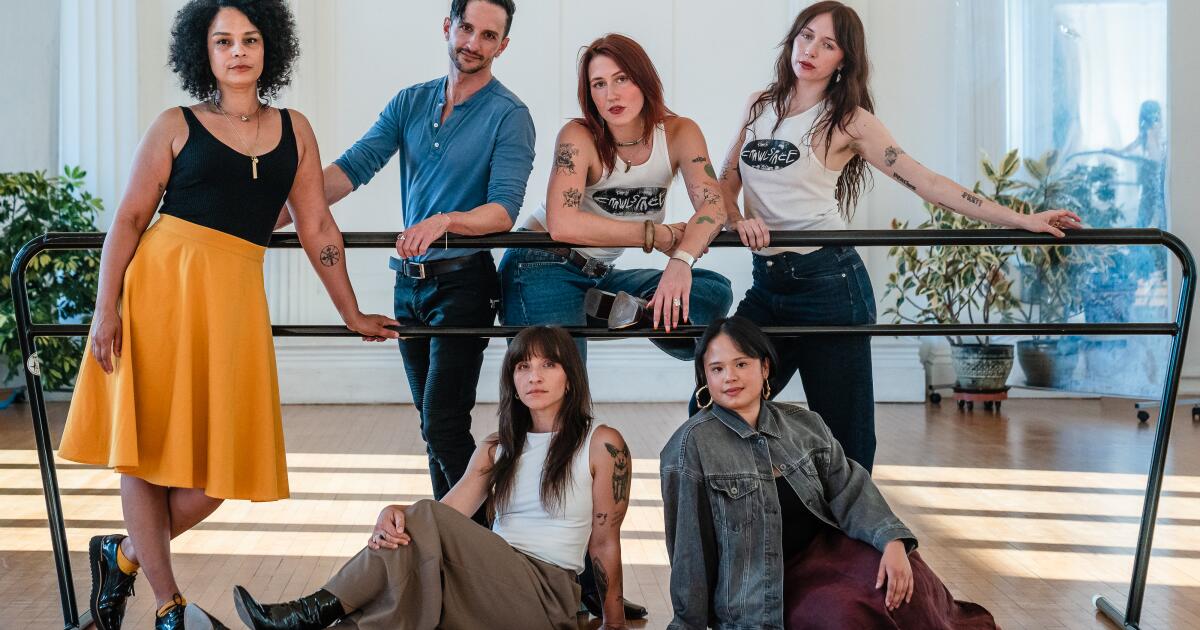
Bodytraffic recently marked its 20th anniversary with a final performance at the Wallis Annenberg Center for the Performing Arts in Los Angeles. The closure of several other dance companies in the city has highlighted the challenges faced by the L.A. dance scene, exacerbated by the impact of the COVID-19 pandemic and reduced grant opportunities. Dancers are adapting by supporting each other, performing in unconventional venues, and exploring new ways to sustain their art.
Andrew Pearson, a choreographer and founder of Bodies in Play, transitioned his dance collective into a nonprofit organization after a decade of independent projects. He emphasized the importance of returning to the joy of creating dance and the need for flexibility in navigating the evolving dance landscape. Pearson's journey reflects the entrepreneurial spirit of the L.A. arts community, where artists are encouraged to pursue their creative visions and find audiences for their work.
The closure of dance companies like L.A. Contemporary Dance Company and EDGE Performing Arts Center has prompted artists like Dani Burd to rethink traditional approaches to dance. Burd, co-director of Indigo Dance Company, values the impermanence of artistic creation and embraces the challenges of the current times. She emphasizes the importance of unity and resilience in the face of changing circumstances, highlighting the transformative power of dance as a form of expression and connection.
Pieter Performance Space, a Black- and queer-led arts venue, organized a dance-a-thon fundraiser to support its operations amidst funding challenges. The impact of reduced grant funding on small arts nonprofits has been significant, with organizations like Pieter facing financial instability. The closure of grant programs and the shifting political landscape have forced arts organizations to adapt and seek alternative sources of support to sustain their work.
The closure of spaces like Crawlspace LA underscores the resourcefulness and resilience of the L.A. dance community. Co-founders Lena Martin and Mandolin Burns transformed their living space into a performance venue, drawing on community support to create a vibrant artistic hub. While the closure of Crawlspace marked the end of an era, it also symbolized the evolving nature of the dance scene in L.A. and the need for artists to innovate and collaborate to keep the art form alive.
As emerging artists like Adie San Diego navigate the changing landscape of L.A. dance, they are inspired by the legacy of artists who have persevered through challenges and closures. San Diego's experience reflects the importance of community support and creative resilience in sustaining artistic practice. Despite the uncertainties facing the dance community, artists like San Diego are committed to creating and sharing their work, embracing the transient nature of artistic expression and the enduring impact of dance on individuals and communities.
In a tribute to the resilience of dancers and the enduring power of dance, Bodies in Play presented a counter-tribute to "A Chorus Line" in 2024. Andrew Pearson's reflection on his journey as a dancer and choreographer resonates with the dedication and passion that drive artists to continue creating. As the L.A. dance scene evolves and adapts to new challenges, artists like Pearson and the members of Bodies in Play embody the spirit of creativity and perseverance that defines the vibrant dance community in Los Angeles.