Supreme Court Ruling on Birthright Citizenship: Controversy and Consequences
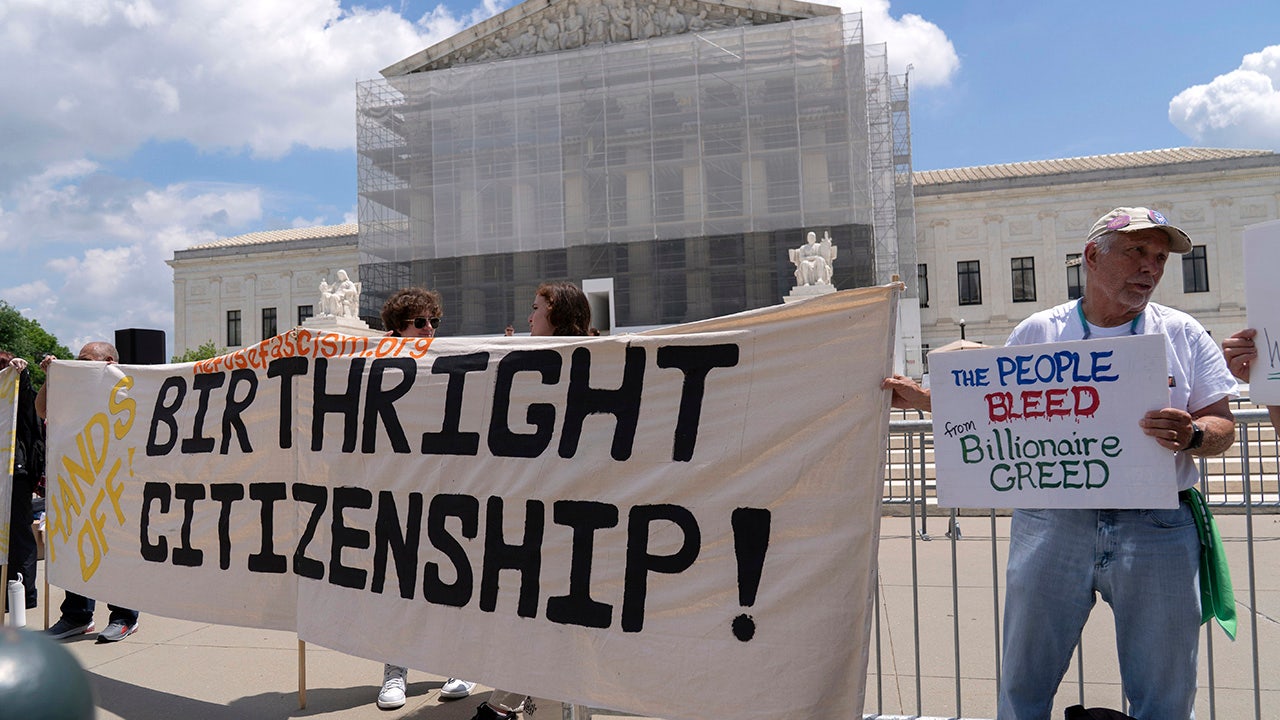
The recent Supreme Court decision on birthright citizenship has sparked controversy among critics who fear it will lead to an increase in "birth tourism" and illegal immigration. The 6-3 ruling, with Justices Kavanaugh and Barrett siding with the majority, upheld birthright citizenship as protected under the Fourteenth Amendment.
The case, known as Trump v. Barbara, challenged President Trump's executive order seeking to exempt birthright citizenship from the Fourteenth Amendment. White House advisor Stephen Miller criticized the decision, calling it destructive and outrageous, emphasizing that American citizenship should be reserved for Americans only.
Critics of the ruling, like Daniel Turner from Power the Future, expressed concerns about the potential consequences of allowing birthright citizenship for children of illegal immigrants. They fear that it could lead to an influx of individuals exploiting the system for their own benefit.
Following the ruling, Senator Eric Schmitt proposed legislation to address the issue, arguing that the decision undermines American sovereignty and the future of the country. He called for a constitutional amendment to restore American citizenship and put the interests of American citizens first.
Schmitt's proposed amendment aims to close the loophole created by the Supreme Court's decision and prevent what he sees as the negative impact of birthright citizenship. He believes that the ruling poses a threat to the nation's sovereignty and must be addressed through legislative action.
Other lawmakers, like Rep. Clay Fuller, echoed Schmitt's concerns, emphasizing the need for Congress to act swiftly to prevent what they view as an invasion facilitated by birthright citizenship. Fuller introduced HR 172, a Constitutional amendment that aligns with Schmitt's Senate version.
Critics of the Supreme Court decision, including former law professor John Eastman and Turning Point USA spokesman Andrew Kolvet, expressed disappointment with the ruling and called for a reevaluation of the Court's stance on birthright citizenship. They believe that the decision undermines American values and sovereignty.
Despite the dissenting voices, there were also supporters of the ruling, such as Rep. Jasmine Crockett and Sen. Alex Padilla, who praised the decision as upholding a fundamental constitutional right. Padilla emphasized the clarity of the Constitution regarding birthright citizenship and celebrated the reaffirmation of legal precedent.
In conclusion, the Supreme Court's decision on birthright citizenship has sparked a heated debate among lawmakers and commentators, with critics warning of the potential consequences of the ruling and calling for legislative action to address the issue. Supporters of the decision view it as a reaffirmation of constitutional rights and a step towards upholding American values. The debate surrounding birthright citizenship is likely to continue as lawmakers consider potential amendments to address the concerns raised by the ruling.