Supreme Court Ruling on Transgender Athlete Participation in School Sports: Implications and Challenges
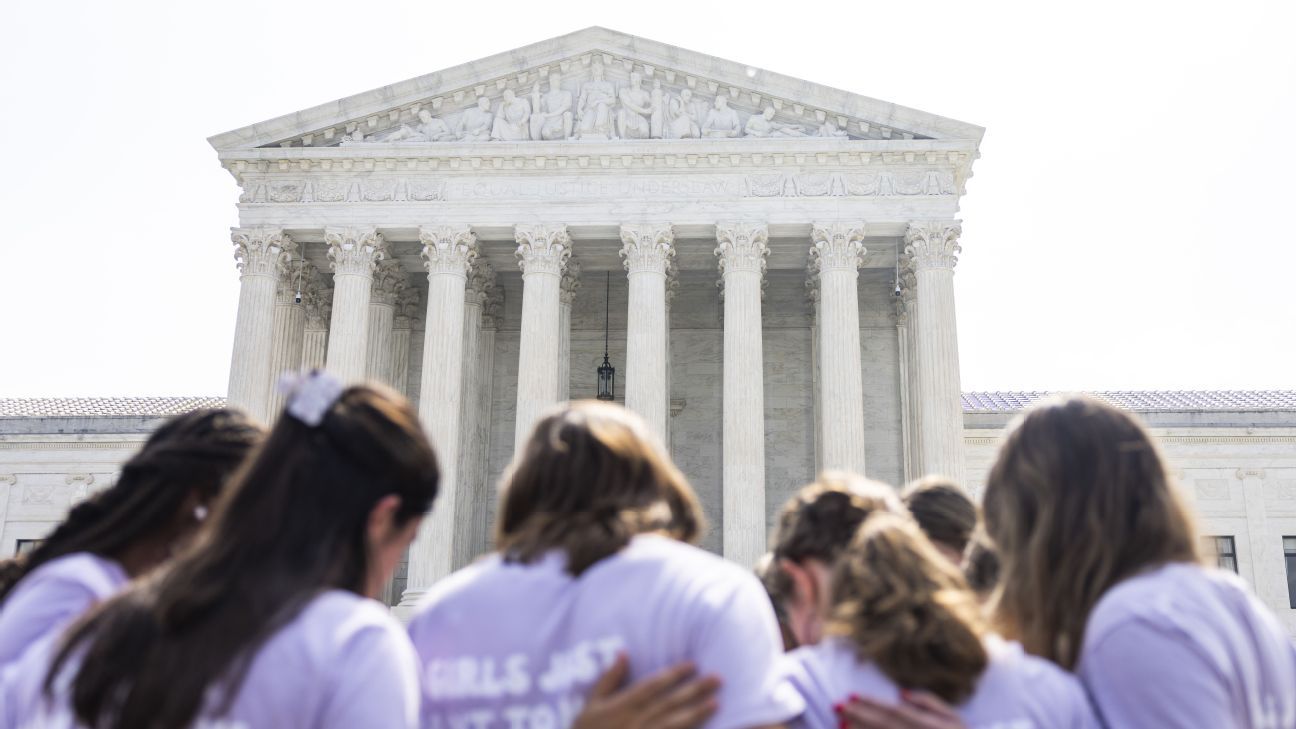
The recent U.S. Supreme Court ruling allows states to prohibit transgender girls and women from participating in girls' and women's school sports. Justice Brett Kavanaugh emphasized the physical differences between biological males and females in competitive sports. The Court found that the Idaho and West Virginia laws do not violate Title IX, with Justices Sonia Sotomayor, Elena Kagan, and Ketanji Brown Jackson dissenting on the constitutional question. Idaho's HB 500, challenged by Boise State student Lindsay Hecox, was the first law restricting transgender athlete eligibility, influencing 26 other states to pass similar legislation.
The ruling does not apply nationwide, only to the specific laws in Idaho and West Virginia. It does not mandate the exclusion of transgender girls and women from sports but validates the laws in question. The decision does not address transgender boys or cisgender girls directly, leaving many questions unanswered. The impact on sports teams and leagues outside of educational institutions is limited, as Title IX applies to schools, and private leagues are not bound by the same provisions.
The ruling primarily concerns transgender girls in girls' sports, with some states also restricting transgender boys' participation in boys' sports. The Supreme Court did not explicitly address the issue of cisgender girls playing on boys' teams. The decision raises constitutional questions about policies allowing transgender athletes to compete in gender-specific sports, potentially leading to further legal challenges. President Donald Trump's executive order and subsequent actions by sports organizations have added complexity to the issue, with ongoing investigations by the U.S. Department of Education into transgender athlete participation.
In conclusion, the Supreme Court ruling on transgender athlete participation in school sports has sparked debates and legal challenges, with implications for future policies and enforcement. The decision underscores the evolving landscape of gender inclusion in sports and the need for further clarity on the rights and regulations surrounding transgender athletes.