The Rise and Fall of 'Green Lantern': Lessons Learned in Superhero Filmmaking
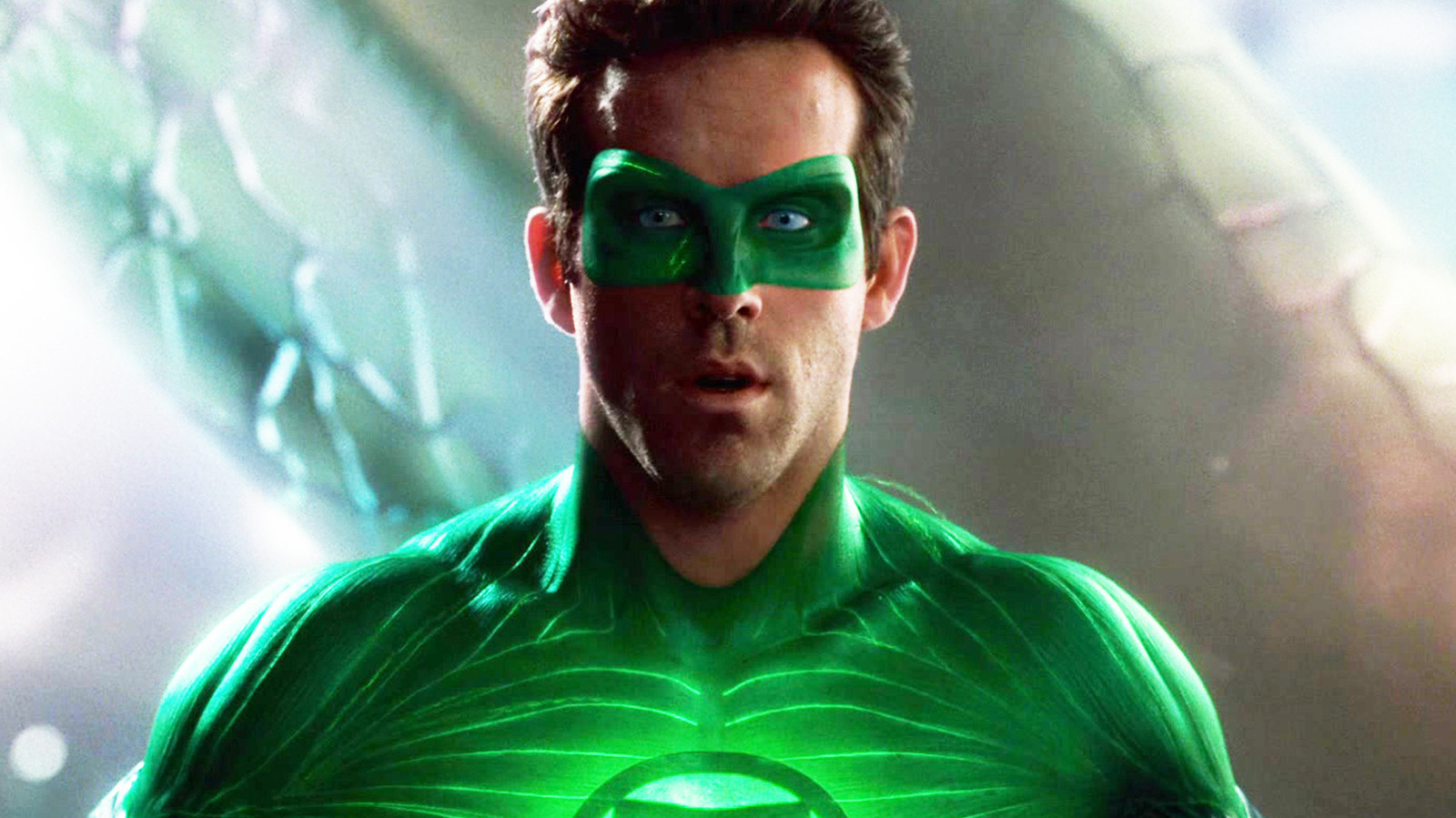
The movie "Green Lantern" starring Ryan Reynolds faced numerous challenges during its production, with the star himself criticizing the focus on special effects over fixing the film's issues. Despite a hefty production budget of $200 million, the movie failed to impress critics and audiences, leading to a significant financial loss for Warner Bros. The film's underwhelming box office performance and high marketing costs contributed to an estimated $75 million loss for the studio.
The superhero genre was at a turning point in 2011, with the Marvel Cinematic Universe gaining momentum and Christopher Nolan's Dark Knight trilogy setting new standards. "Green Lantern" struggled to compete in this evolving landscape, with critics questioning the saturation of superhero movies. Warner Bros. invested heavily in the film's special effects and marketing, spending over $100 million on domestic promotion alone. Despite a worldwide box office take of $219.5 million, the film fell short of expectations.
In contrast, Ryan Reynolds' later success with "Deadpool" showcased a more cost-effective approach to superhero filmmaking. With a modest production budget of $58 million, "Deadpool" exceeded box office expectations, grossing $781.9 million worldwide. The film's financial success highlighted the importance of budgeting wisely in the superhero genre, especially as the industry faces changing audience preferences and market saturation.
As the era of superhero dominance at the box office comes to an end, studios must reevaluate their approach to big-budget franchises. While established characters like Spider-Man and the Avengers continue to draw audiences, lesser-known heroes face greater challenges in today's competitive market. Moving forward, studios should consider budgeting sensibly and focusing on storytelling to ensure the success of future superhero films.