Title: "Supreme Court Ruling on Transgender Athletes in School Sports: Impact and Controversy
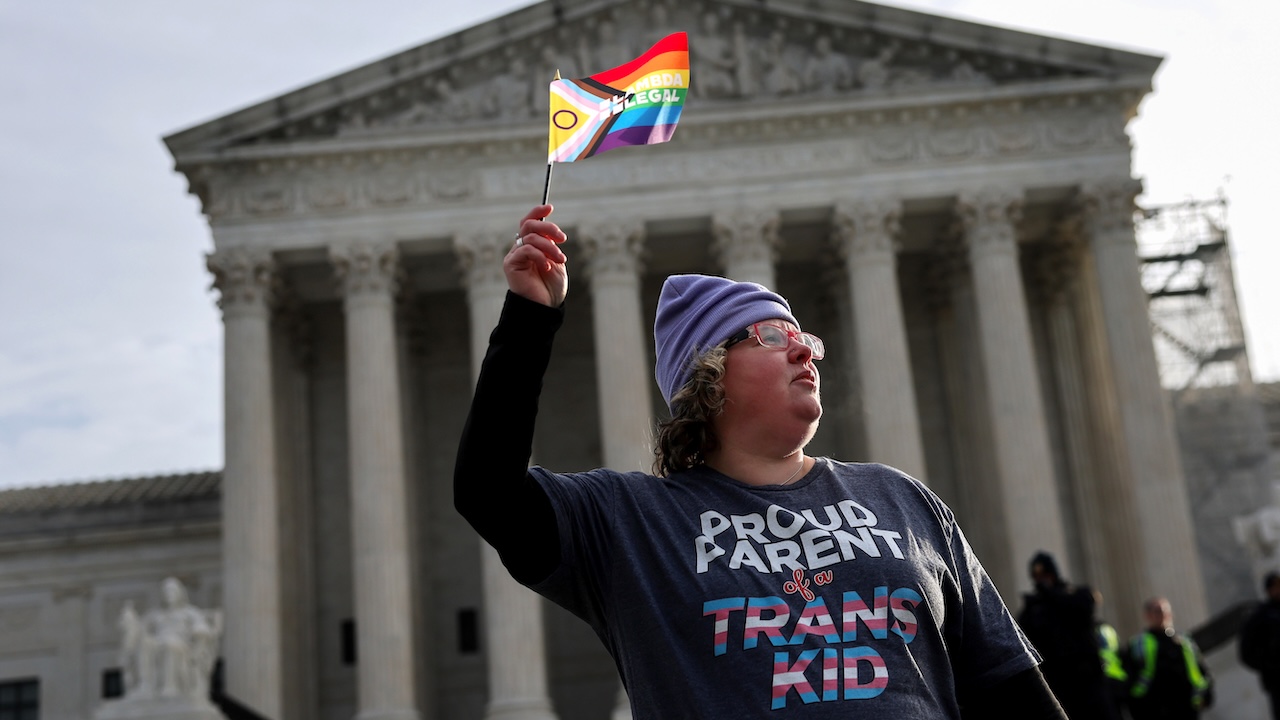
The Supreme Court recently ruled that states have the authority to prohibit transgender women and girls from participating in women's and girls' school sports programs. This decision came after hearing arguments in two cases challenging state bans on transgender athletes' participation. The court determined that maintaining separate sports teams for biological females does not violate the Equal Protection Clause of the Constitution. The ruling does not mandate states without anti-trans sports laws to ban trans athletes from participating in school sports programs.
Idaho was the first state to implement a ban on trans participation in school sports in 2020, with 27 other states following suit. Despite the limited number of trans girls involved in school sports programs, these bans have been put in place. The ruling effectively ends the high school sports career of Becky Pepper-Jackson, a trans student athlete in West Virginia who transitioned in third grade. The decision also impacted Lindsay Hecox, who withdrew from the case after facing harassment and anti-trans sentiment.
The Supreme Court's decision is part of a series of significant cases concerning LGBTQ+ rights in the United States. The ruling has raised concerns among LGBTQ+ advocates, who fear that it could lead to further discrimination against trans individuals, particularly trans youth. The decision has been criticized for creating an unfair playing field and limiting the rights of transgender students who simply want to participate in sports alongside their peers. GLAAD president and CEO Sara Kate Ellis expressed disappointment in the ruling, stating that it undermines personal freedom and opportunity for all individuals.
In conclusion, the Supreme Court's ruling allowing states to ban transgender women and girls from participating in school sports programs has sparked controversy and raised concerns about the impact on LGBTQ+ rights. The decision has been met with criticism from advocates who argue that it creates an unfair playing field and restricts the rights of transgender individuals to participate in sports. The ruling is part of a broader trend of legal challenges affecting LGBTQ+ rights in the country, highlighting the ongoing struggle for equality and inclusion.