Balancing Climate Policies, Migration, and Legislation: Manfred Weber's Perspective on the EU's Challenges
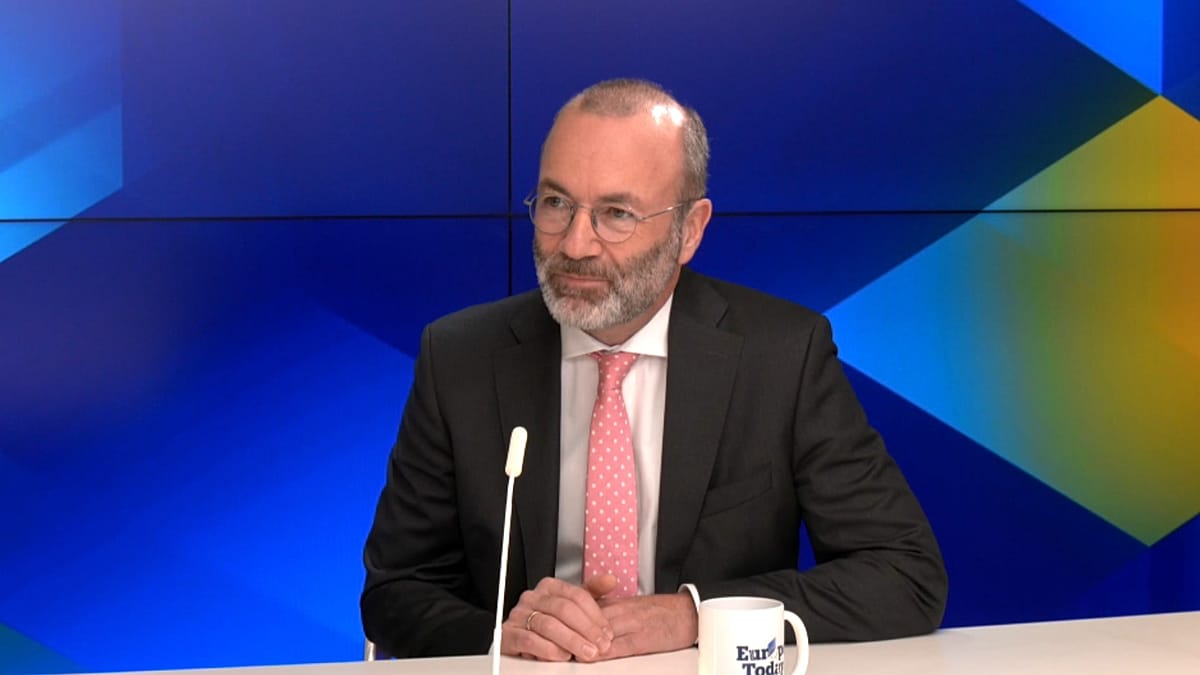
The President of the European People's Party, Manfred Weber, emphasized the need for a balanced approach to climate policies in the European Union. He highlighted the importance of maintaining industrial competitiveness while addressing climate change challenges. Weber also stressed the significance of finding a common ground between economic considerations and environmental goals.
Weber acknowledged the necessity of using air conditioning for personal comfort but emphasized the importance of transitioning to renewable energy sources like solar power to reduce greenhouse gas emissions. He underscored the need for practical solutions that align with climate objectives while meeting energy demands.
Addressing the issue of migration, Weber expressed concerns about Spain's initiative to regularize a large number of undocumented migrants, citing potential implications for other EU countries. He raised questions about the rapid legalization process and its impact on cross-border mobility within the EU, emphasizing the need for a coordinated approach to migration policies.
Weber defended the EU legislation allowing the establishment of return centers for irregular migrants outside the bloc, emphasizing the importance of cooperation with partner countries in Africa and the Middle East. He highlighted the role of member states in determining the funding and location of these centers, emphasizing the need for a collaborative approach to managing migration challenges.
In conclusion, Manfred Weber's perspective on climate policies, migration, and EU legislation reflects the complex and interconnected nature of challenges facing the European Union. Balancing economic interests with environmental concerns and addressing migration issues require a coordinated and pragmatic approach to ensure sustainable and effective solutions.